As thousands of butter lamps flicker to life and the chant of “Om Mani Padme Hum” rises into the night, Nepal transforms into a living sanctuary of peace. Buddha Jayanti in Nepal is the most sacred day in the Buddhist calendar, observed in the very land where Siddhartha Gautama was born.
Under the full moon of Baisakh, a profound stillness settles over the valleys and Himalayan peaks. The air is rich with the scent of jasmine and burning juniper, while monasteries and courtyards fill with the soft murmur of prayers. It is a night that feels suspended in time where devotion, memory, and spirituality merge.
Across Nepal, golden butter lamps glow like constellations on earth, illuminating ancient temples and the faces of devotees deep in reflection. In that gentle light, the essence of Buddha Jayanti comes alive not just as a celebration but as a powerful reminder of compassion, wisdom, and inner peace.
Why Buddha Jayanti is Called the “Triple Blessed Day”
Buddha Jayanti, also known as Buddha Purnima, is celebrated as a "Triple Blessed" day. It marks three pivotal moments in the life of the Buddha, all of which miraculously occurred under the same full moon:
The Birth: The arrival of Prince Siddhartha in the gardens of Lumbini.
The Enlightenment: His attainment of supreme wisdom under the Bodhi tree in Bodh Gaya.
The Parinirvana: His physical passing and final release from the cycle of rebirth.
For pilgrims, this day is a reminder that the potential for awakening exists within every sentient being. It is a time to renew one's commitment to peace, compassion, and the Middle Path.
Table of Contents
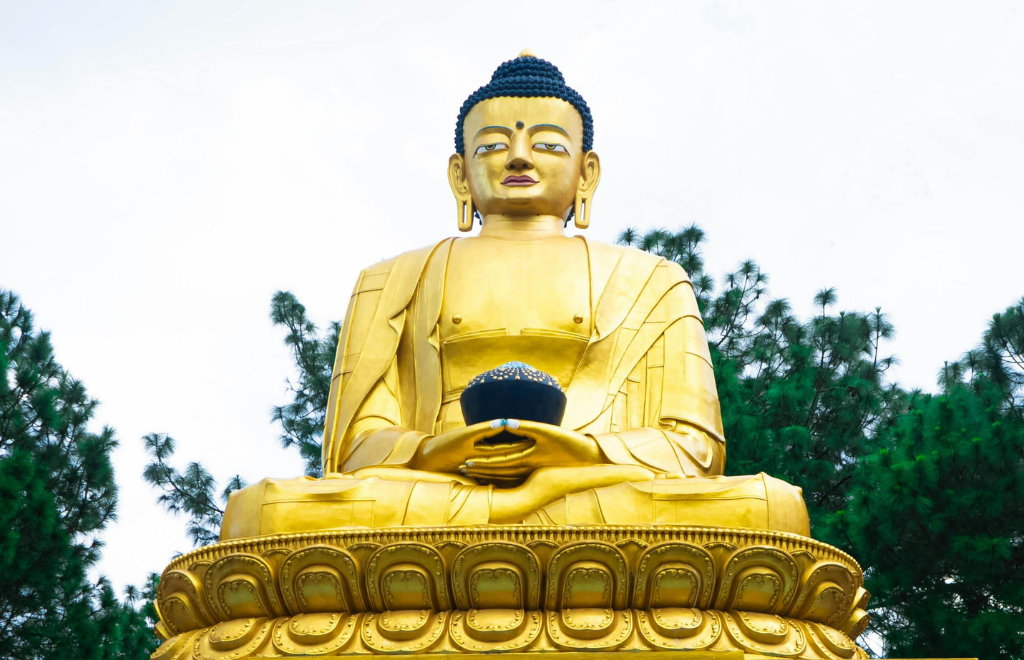
The Sitting Buddha: Meditation and Stillness
Why is Buddha Jayanti Special in Nepal?
For Nepal, Buddha Jayanti is more than a religious holiday; it is a profound celebration of national identity and spiritual heritage. As the proud home of Lumbini, the documented birthplace of Siddhartha Gautama, Nepal stands as the physical and spiritual "Source" of Buddhism. Celebrating here is a powerful affirmation of the country’s role as the cradle of peace, where the ancient soil still holds the footprints of the Enlightened One. The festival serves as a symbolic bridge between the past and the present, uniting the nation's diverse ethnic groups in a shared commitment to Ahimsa (non-violence). To celebrate Buddha Jayanti in Nepal is to honor the fact that the light of the world first flickered to life in these very plains, making the country a living sanctuary for the message of universal compassion.
Buddha Jayanti Rituals and Traditions in Nepal
To witness Buddha Jayanti in Nepal is to participate in a living tradition that has remained unchanged for centuries. The day is defined by rituals that engage the senses and the spirit.
The Dawn of 108 Lamps
The celebration begins in the pre-dawn hours. Devotees light 108 butter lamps, a sacred number representing the conquest of the 108 worldly temptations that obstruct the path to enlightenment. The collective glow of these lamps symbolizes the dispelling of the darkness of ignorance.
The Ritual of Kora
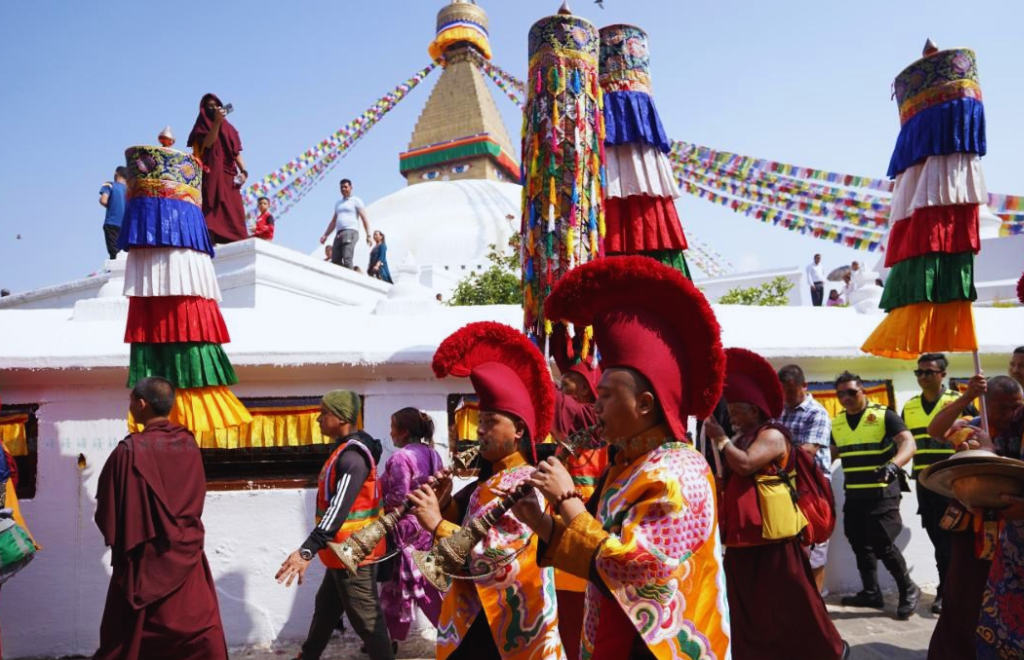
Throughout the day, you will see rivers of people moving in a Kora clockwise walking meditation around stupas and temples. This rhythmic circling is a physical prayer, a way of centering one's life around the teachings of the Buddha.
Ceremonial Bathing and the Tradition of Kheer
Statues of the infant Buddha are ceremoniously bathed with scented water and flower petals, a gesture of purification. Following this, the community gathers to share Kheer (sweet rice pudding). This tradition honors Sujata, the village girl who offered Siddhartha a bowl of milk rice, giving him the strength to achieve enlightenment.
Acts of Compassion (Daan)
In the spirit of Ahimsa (non-violence), many practitioners engage in Daan, or selfless giving. A common sight is the "Life Release," where captive birds or animals are set free, symbolizing the liberation of all beings from suffering.
Best Places to Celebrate Buddha Jayanti in Nepal
monk doing prayer and Quora around the Boudha Stupa on an auspicious day, Buddha Jayanti
While Buddha Jayanti is celebrated nationwide, three locations offer a truly transformative experience.
Lumbini: Returning to the Source
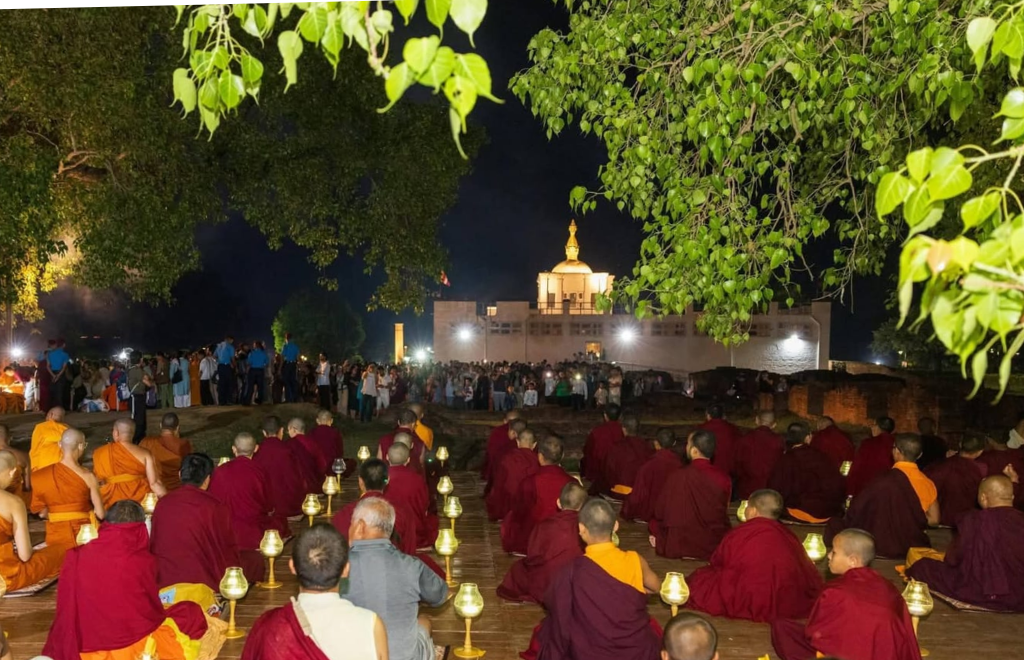
As the literal birthplace of the Buddha, Lumbini is the spiritual heart of the festival. Thousands of monks from across the globe gather at the Maya Devi Temple, the exact spot of the Buddha’s birth. The International Monastic Zone becomes a tapestry of colors, saffron, maroon, and grey robes as different Buddhist traditions unite in a singular message of peace.
Boudhanath: A Sea of Butter Lamps
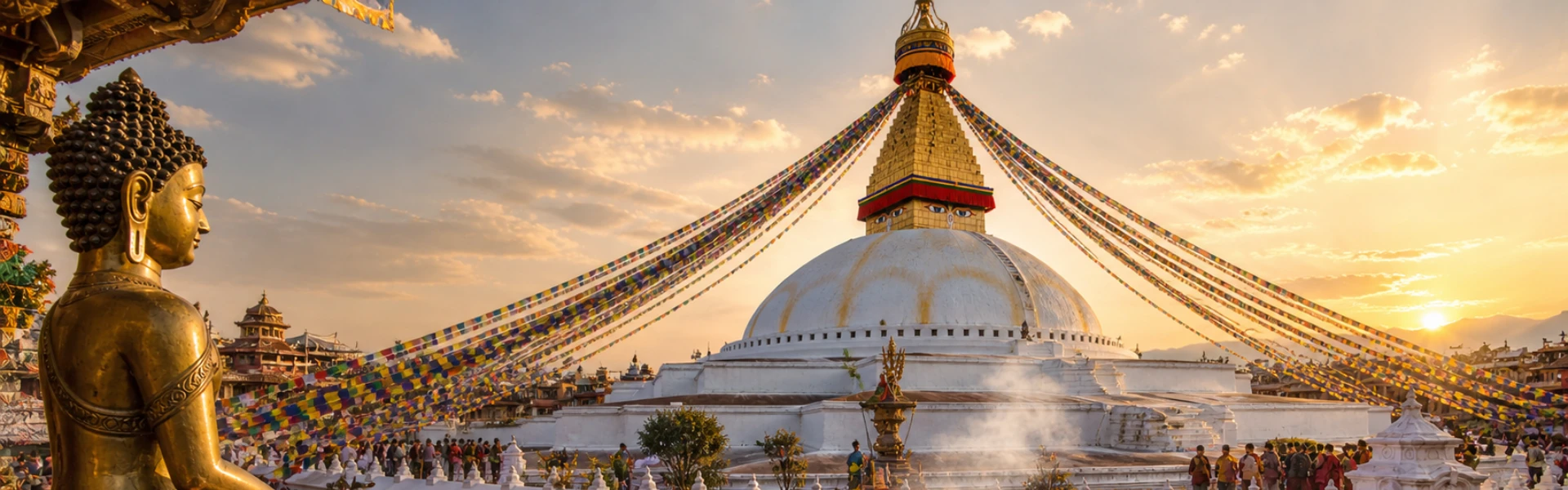
In the Tibetan heart of Kathmandu, the massive Boudhanath Stupa undergoes a ritual "white-washing," decorated with saffron-colored lotus petals. As evening falls, the entire perimeter is transformed into a sea of light. The atmosphere here is electric yet deeply meditative, with massive prayer circles that move in harmony with the turning of prayer wheels.
Swayambhunath: Prayers Over the Valley
Perched high on a hilltop, Swayambhunath (the Monkey Temple) offers a breathtaking vantage point to watch the sunrise. Here, the fusion of Hindu and Buddhist devotion is seamless. The ancient stones of the stupa, weathered by time, stand as a testament to the enduring harmony of Nepal's spiritual landscape.
Buddha Jayanti Etiquette for Visitors
Circumambulate Clockwise: Always walk around stupas and sacred sites in a clockwise direction.
Dress Modestly: Ensure shoulders and knees are covered when entering temple precincts.
Silence is Golden: While chanting is welcome, keep private conversations low to respect those in deep meditation.
Ask Before Photos: Always seek permission before photographing monks or devotees in prayer.
How to Experience Buddha Jayanti Like a Local
To truly feel the pulse of this sacred day, you must move beyond the camera lens and step into the rhythm of the local community. For a Nepali, Buddha Jayanti begins long before the sun hits the peaks of the Himalayas. You’ll see families waking at 3:00 AM to bathe and dress in pristine white, the color of purity, before heading to their local Bihar or stupa. Joining the locals means more than just watching; it means lining up at dawn to offer fresh marigolds and grains at the shrines, or sitting cross-legged on the stone flags of a courtyard to listen to the early morning Dharma Deshna (spiritual discourses). Instead of dining at a tourist cafe, look for the community stalls where locals distribute free drinking water and Kheer to passersby as an act of merit. If you find yourself at a stupa, don't just walk; take a moment to spin the prayer wheels alongside an elderly grandmother or help a monk replenish the oil in a row of butter lamps. By engaging in these small, quiet acts of service and devotion, you stop being an observer and become part of the collective prayer for global peace.
Peace Meditation is being performed by monks in Lumbini on the occasion of Buddha Purnima
Final Thoughts
Buddha Jayanti in Nepal is more than a festival; it is an invitation to discover the “Birthplace of Peace” within yourself. Long after the chants fade and the butter lamps dim, what remains is a quiet sense of clarity you carry back into everyday life. For first-time visitors, the experience can feel overwhelming in its depth and intensity. That’s where the right guidance makes all the difference. With deep local knowledge and years of regional experience, our team bridges the gap between simply visiting and truly understanding, helping you move from being a tourist to becoming a mindful participant in the celebration.
At A1 Excursion Adventure, we go beyond showing you sacred sites. We help you uncover the meaning behind each ritual, lead you to serene corners away from the crowds, and guide you to the most authentic moments of evening prayer. While we take care of the logistics, you’re free to immerse yourself fully in the spiritual essence of the journey.
Are you ready to experience the magic of Buddha Jayanti in Nepal?
The date changes every year as it is based on the lunar calendar. It always falls on the full moon day of the month of Baisakh (the first month of the Nepali calendar). This usually occurs between late April and late May.
2. Is Buddha Jayanti a public holiday in Nepal?
Yes, it is a major nationwide public holiday. Government offices, schools, and many businesses are closed so that people can visit monasteries and participate in local celebrations.
3. What is the most important place to visit during the festival?
Lumbini is considered the most sacred site as it is the birthplace of the Buddha. However, if you are in the Kathmandu Valley, the Boudhanath and Swayambhunath stupas offer incredible atmosphere and large-scale rituals.
4. Can tourists participate in the rituals?
Absolutely. Locals generally welcome visitors who wish to join the Kora (circumambulation) or light butter lamps. The key is to participate with a spirit of quiet respect and observe how the community is performing the actions.
5. What should I wear when visiting temples on this day?
Modesty is essential. Both men and women should ensure their shoulders and knees are covered. White clothing is particularly common among locals during Buddha Jayanti as it symbolizes purity, though it is not a requirement for visitors.
6. Is photography allowed during the celebrations?
In most public areas around stupas and temple courtyards, photography is allowed. However, it is often restricted to inside the inner sanctums or during specific prayer sessions. Always check for "No Photography" signs and ask for permission before taking close-up photos of monks or devotees.
Raj Thapa
Founder & Managing Director Raj Kumar Thapa: Founder & Managing Director of the Company, and has over 2 decades of professional experience in the travel and trekking field. Mr. Raj has spent the entirety of his career in the travel & trek organization.


.webp)