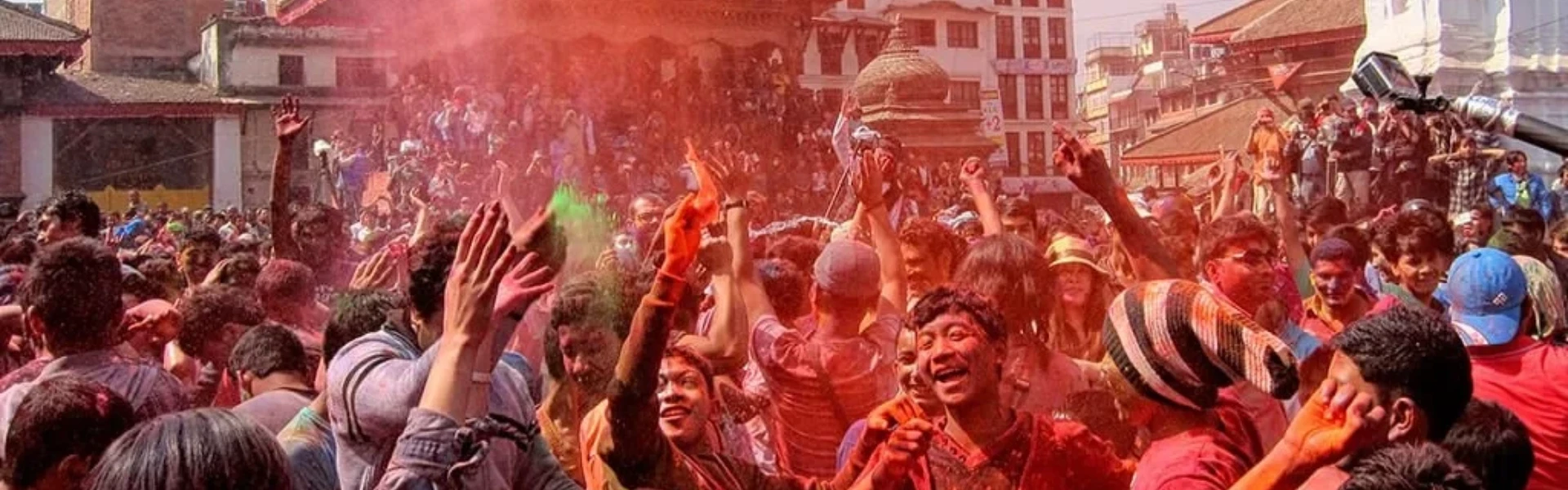
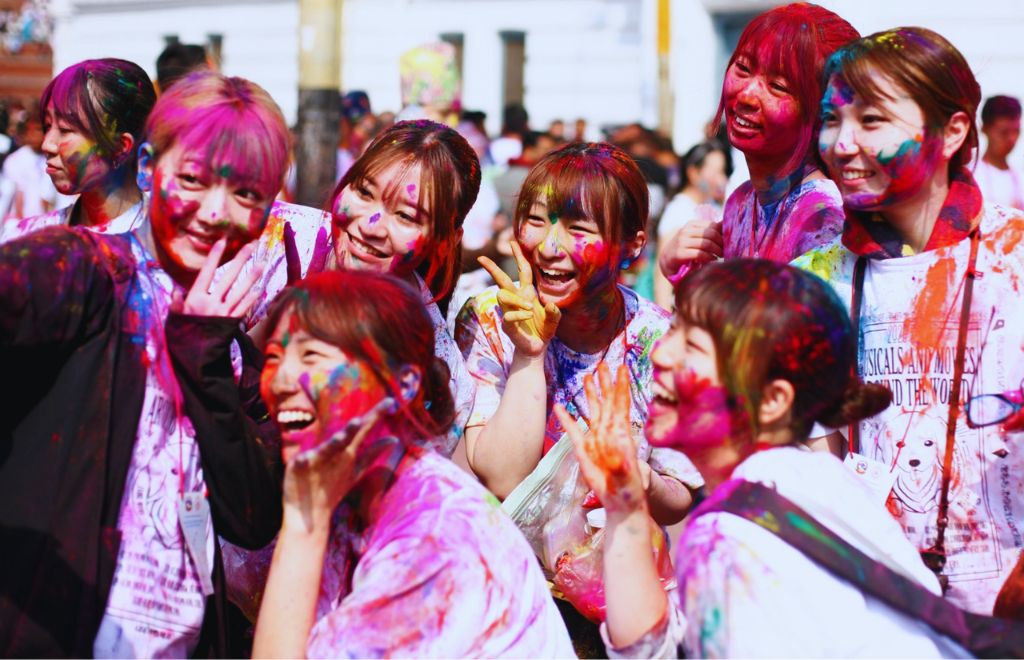
If there is one day when Nepal transforms into a living canvas of color, music, and laughter, it is the Holi festival in Nepal, locally known as Fagu Purnima. From the ancient courtyards of Kathmandu to the lakeside streets of Pokhara, clouds of pink, blue, and gold powder rise into the spring sky as strangers become friends in seconds.
Although Holi is rooted in Hindu mythology, in Nepal it transcends religion. It marks the arrival of spring, the end of winter’s chill, and a national celebration of unity. People of different communities, including the Newars of the Kathmandu Valley and the Madhesi communities of the southern plains, celebrate it with equal enthusiasm.
Expect music echoing through medieval squares, water balloons flying from rooftops, and the scent of festive sweets filling the air. But behind the joyful chaos lies centuries of history, symbolism, and tradition that make Holi in Nepal truly unique.
Table of Contents
The History & Mythology Behind Holi Festival
The Legend of Prahlad and Holika
The foundation of the Holi festival lies in a powerful Hindu legend symbolizing the victory of good over evil.
According to mythology, there was once a demon king named Hiranyakashipu who demanded that everyone worship him. His son, Prahlad, refused and remained devoted to Lord Vishnu. Furious, the king plotted to kill his son. He enlisted his sister Holika, who possessed a magical cloak that made her immune to fire.
Holika tricked Prahlad into sitting on a burning pyre with her. However, through divine protection, the cloak flew from Holika to Prahlad. Holika burned, while Prahlad survived unharmed. This story is commemorated on the eve of Holi with ceremonial bonfires symbolizing the destruction of evil.
In Nepal, the burning of the ceremonial structure known as the Chir marks this same symbolic cleansing.
Krishna, Radha & The Colors of Love
Another beloved story connected to Holi involves Krishna and Radha. Legend says that young Krishna, worried about his dark complexion compared to Radha’s fair skin, playfully colored her face. This act of divine mischief evolved into the playful throwing of colored powders that defines Holi today.
This romantic and joyful element adds a celebratory dimension to Holi in Nepal, one of music, dance, and lighthearted teasing.
The Unique Holi Tradition of the Chir in Nepal
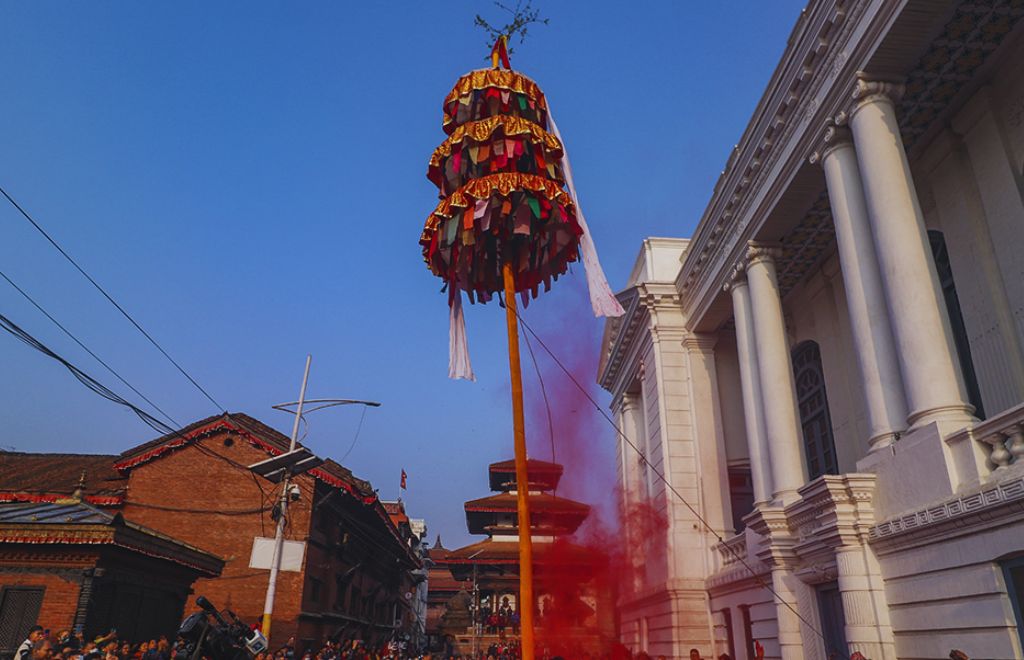
"Chir" bamboo pole draped with colorful cloth strips
One of Nepal’s most distinctive Holi traditions is the installation of the Chir, a ceremonial bamboo pole draped with colorful cloth strips, erected at Basantapur Durbar Square in Kathmandu.
The Chir stands for a week before the festival. On the final evening, it is taken down and burned, symbolizing the end of winter and negativity. Locals believe that tying fabric to the Chir brings good fortune.
For travelers, witnessing this ceremony in the heart of the old royal square offers rare insight into how Nepal blends mythology with living heritage.
Why Is Holi in Nepal Celebrated?
Beyond mythology, Holi is celebrated as it marks a seasonal and social transformation.
Welcoming Spring
Holi coincides with the full moon of the Nepali month of Falgun (February–March). The cold Himalayan winds begin to soften, mustard fields bloom yellow, and farmers prepare for harvest. The festival becomes a celebration of fertility, renewal, and abundance.
A Festival of Forgiveness
Traditionally, Holi is a day to forget past conflicts. Neighbors reconcile, families reunite, and communities strengthen bonds. Smearing color on someone’s face is not just playful—it symbolizes acceptance and equality.
Community and Shared Joy
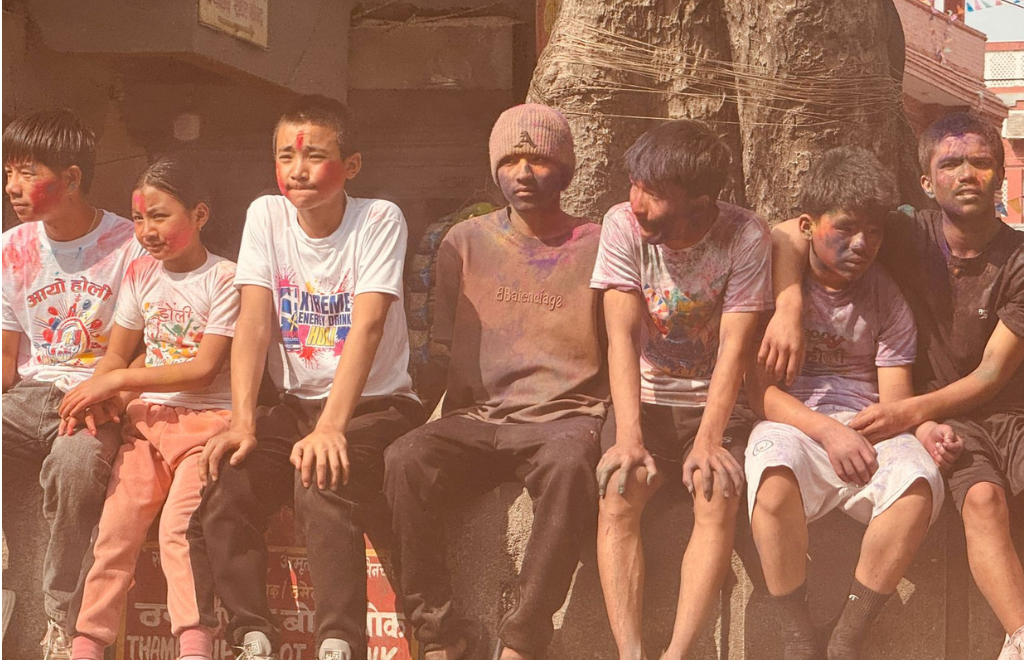
From children filling water balloons that are locally called “Lolas” and to elders gathering for music and sweets, Holi unites generations. In Newari communities of the Kathmandu Valley, festive feasts include beaten rice, meat dishes, and homemade spirits, showcasing Nepal’s rich culinary culture.
Best Place to celebrate Holi in Nepal: Hills vs.Terai
One fascinating aspect of Holi in Nepal is that it is celebrated on two different days depending on geography.
Holi in the Hills (Kathmandu & Pokhara)
In the hilly regions, including Kathmandu and Pokhara, Holi is celebrated on the full moon day.
Kathmandu – Thamel’s Electric Energy
The tourist district of Thamel becomes the epicenter of street celebrations. Live DJs, dance parties, and travelers from around the globe create an international atmosphere.
However, locals often celebrate more traditionally in residential neighborhoods. Families visit temples, exchange tika (colored powder), and share sweets before heading to the streets.
Pokhara – Lakeside Colors
In Lakeside, Holi unfolds with the stunning backdrop of the Annapurna range. Music stages line the streets, and lakeside cafés host daytime color parties.
Despite the festive vibe, mornings remain more family-oriented. By afternoon, crowds gather, and the celebration becomes louder and more energetic.
Holi festival in the Terai (Southern Plains)
In Nepal’s Terai region, which borders India, Holi is celebrated one day later after the celebration is finished in the hilly region. Cities such as Janakpur and Birgunj embrace more traditional rituals rooted in Madhesi culture.
Celebrations in the Terai region emphasize:
Traditional folk songs (Holi songs)
Temple gatherings
Extended family visits
Communal feasts
Unlike the DJ-driven parties of urban hills, Terai Holi often feels more intimate and cultural. The bonfire rituals are larger and deeply symbolic. For travelers seeking authenticity and deeper immersion, the Terai offers a powerful contrast to Kathmandu’s urban vibrancy.
Experience Holi with A1 Excursion Adventure
For over 25 years, A1 Excursion Adventure has guided travelers through Nepal’s most meaningful cultural and natural experiences. As a government-registered and licensed local operator, the company combines professionalism with deep-rooted community knowledge.
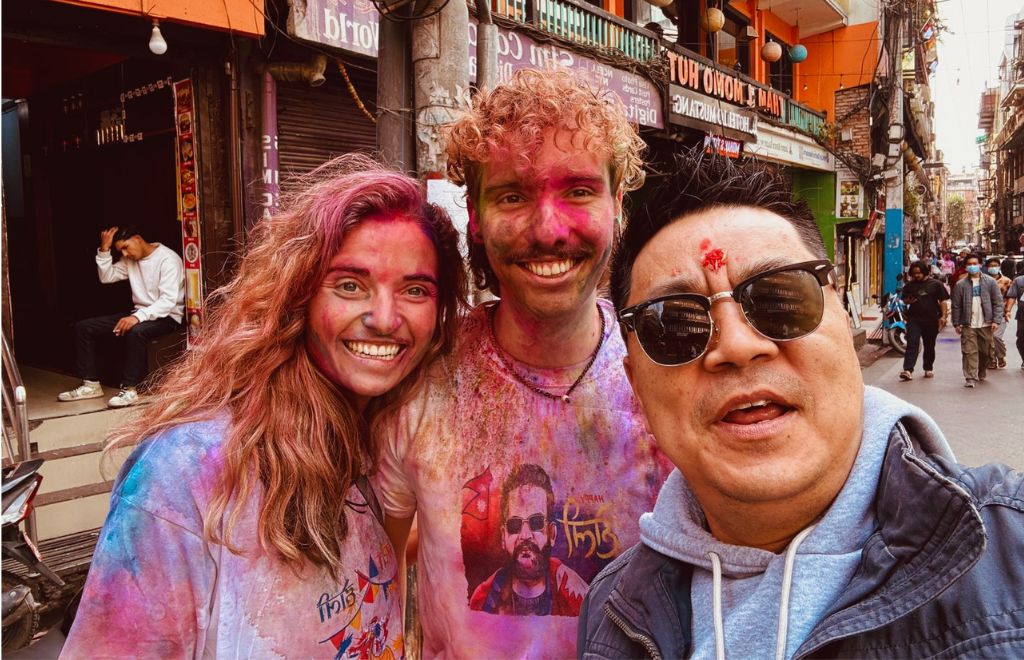
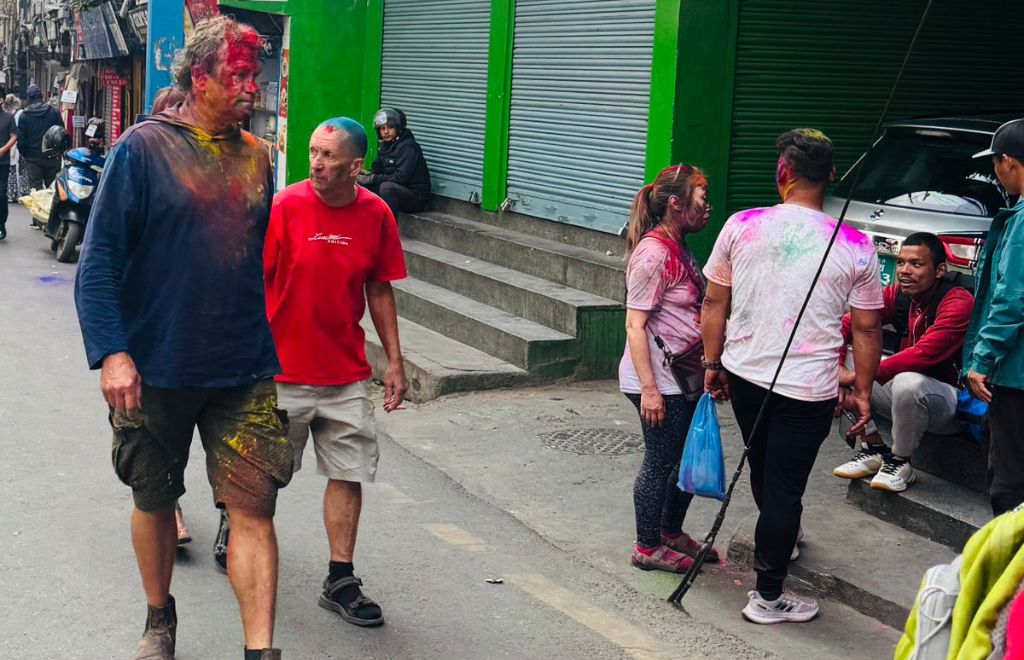
During the recent Holi celebrations, photographs of foreign travelers enjoying the festival alongside us were featured in coverage on the 6th page of the Himalayan Times News Portal. The images capture the joyful presence of international visitors participating in Fagu Purnima festivities in Kathmandu. While it was general festival coverage rather than a dedicated feature, it reflected exactly what makes Holi in Nepal such a special cultural exchange, shared celebration, and responsible participation in local traditions.
Recognized by global travel authorities, including recommendations in Lonely Planet and many more, A1 Excursion Adventure understands that festivals like Holi are more than parties; they are cultural rituals that require respect and awareness.
Why A1 Excursion During Holi?
Experienced local guides fluent in cultural customs
Safe navigation through busy festival crowds
Access to authentic community celebrations
Responsible travel practices
Our experienced team helps travelers avoid common mistakes such as disrespectful behavior at temples or unsafe crowd areas while ensuring maximum enjoyment.
Combine Holi Festival in Nepal with a Trek
Holi falls in one of Nepal’s best trekking seasons with clear skies, blooming rhododendrons, and moderate temperatures that make it ideal for Himalayan adventures. A1 Excursion Adventure offers a variety of ways to combine cultural celebration with trekking:
Cultural Tours in Kathmandu Valley during Holi – Experience Thamel, Basantapur Durbar Square, and local Newari feasts while enjoying the festival of colors.
Trek ko Himalayas immediately after the festival, including:
Customized itineraries that align festival dates with trekking departures, ensuring you celebrate Holi fully before heading into the mountains.
Many travelers now plan their arrival in Kathmandu specifically for Holi, celebrate for a day or two, and then transition directly into a Himalayan trek with a rare combination of cultural immersion and adventure in a single journey.
If you are planning to witness Holi in Nepal, book early to secure your spot, as festival dates and peak-season trekking departures fill quickly.
Essential Tips for Travelers Celebrating Holi Festival in Nepal
To fully enjoy Holi in Nepal while staying safe and respectful, keep these insider tips in mind:
Protect Your Skin & Eyes
Apply coconut or mustard oil to hair and exposed skin before heading out.
Wear sunglasses to protect against powder and water splashes.
Use organic colors when possible.
Practice Consent-Based Celebration
Not everyone wants to play Holi. Always ask before applying color.
Avoid throwing “Lolas” (water balloons) at unwilling participants.
Respect temple spaces and elders.
Dress Smart
Wear white clothing for the full visual effect.
Choose old or disposable clothes.
Waterproof phone protection is highly recommended.
Stay Hydrated
March afternoons can be warm. Drink bottled water and take breaks.
Final Thoughts
Holi festival in Nepal is more of a sensory experience into the heart of the country’s culture. It is the laughter echoing through ancient squares, the blessing of tika on your forehead, and the simple joy of shared humanity beneath clouds of color.
Whether you celebrate in the vibrant streets of Kathmandu, the serene lakeside of Pokhara, or the traditional communities of the Terai, Holi offers a rare opportunity to experience Nepal at its most joyful and united.
And with experienced local experts like A1 Excursion Adventure guiding your journey, you can celebrate confidently, respectfully, and memorably.
If Nepal is on your travel list, let Holi be the moment that brings it to life. Contact A1 Excursion Adventure today to plan your Holi Cultural Tour or Spring Himalayan Trek.
FAQs About Holi Festival in Nepal
When is the Holi Festival celebrated in Nepal?
The Holi Festival in Nepal is celebrated during the full moon of the Nepali month Falgun (February–March). The hilly regions like Kathmandu celebrate first, while the Terai region celebrates the following day.
What is Holi called in Nepal?
In Nepal, Holi is known as Fagu Purnima, named after the full moon day when the festival takes place.
Where are the best places to celebrate Holi in Nepal?
Popular places to celebrate Holi include Basantapur Durbar Square, Thamel, and Pokhara. These areas host vibrant street celebrations with music, colors, and cultural activities.
Is Holi in Nepal safe for tourists?
Yes, Holi in Nepal is generally safe for tourists. Use organic colors, protect your phone and eyes, and celebrate respectfully with locals.
What do people do during the Holi Festival in Nepal?
People celebrate by throwing colored powder (Abir), splashing water, dancing to music, and sharing sweets with friends, family, and visitors.
Raj Thapa
Founder & Managing Director Raj Kumar Thapa: Founder & Managing Director of the Company, and has over 2 decades of professional experience in the travel and trekking field. Mr. Raj has spent the entirety of his career in the travel & trek organization.


.webp)