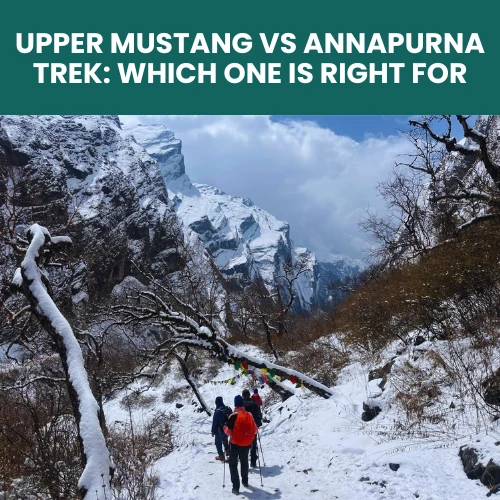
Upper Mustang vs Lower Mustang: Culture and People
Lower Mustang — Where Hindu and Buddhist Worlds Meet
The Lower Mustang region is where cultures converge. The spiritual heart here is the sacred Muktinath Temple, which is one of the rare places where Hindus and Buddhists worship side by side. Pilgrims believe that visiting Muktinath brings liberation (moksha), making it one of the most important religious destinations in Nepal.
The region is home to the Thakali people, who are known across Nepal for their warm hospitality and rich culinary traditions. Their culture reflects a unique blend of Tibetan and Nepali influences, visible in the local architecture, festivals, and food. Alongside the Thakali, other ethnic groups such as the Magar and Aryan communities also inhabit the area. The region is religiously diverse, with both Buddhism and Hinduism widely practiced, often coexisting harmoniously within the same communities.
One of the hidden cultural gems is the village of Lubra, where the ancient Bon religion is still practiced. This predates Tibetan Buddhism and offers a rare glimpse into Himalayan spiritual history. Culturally, the Lower Mustang region feels alive, diverse, and evolving. It is a place where ancient traditions coexist with modern trekking routes.
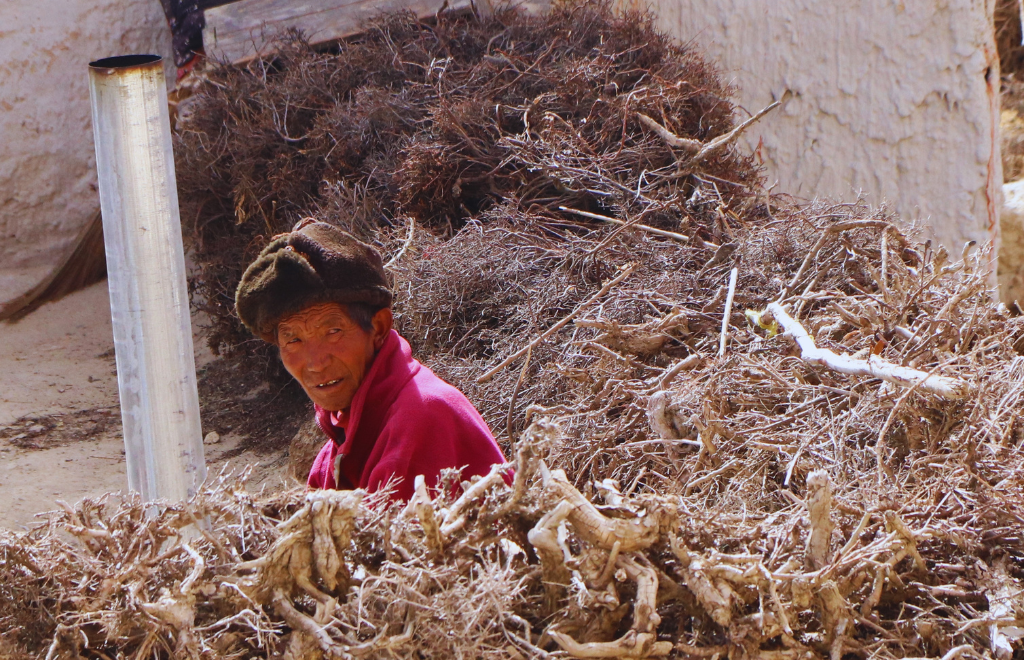
Upper Mustang — Inside the Last Forbidden Kingdom of Nepal
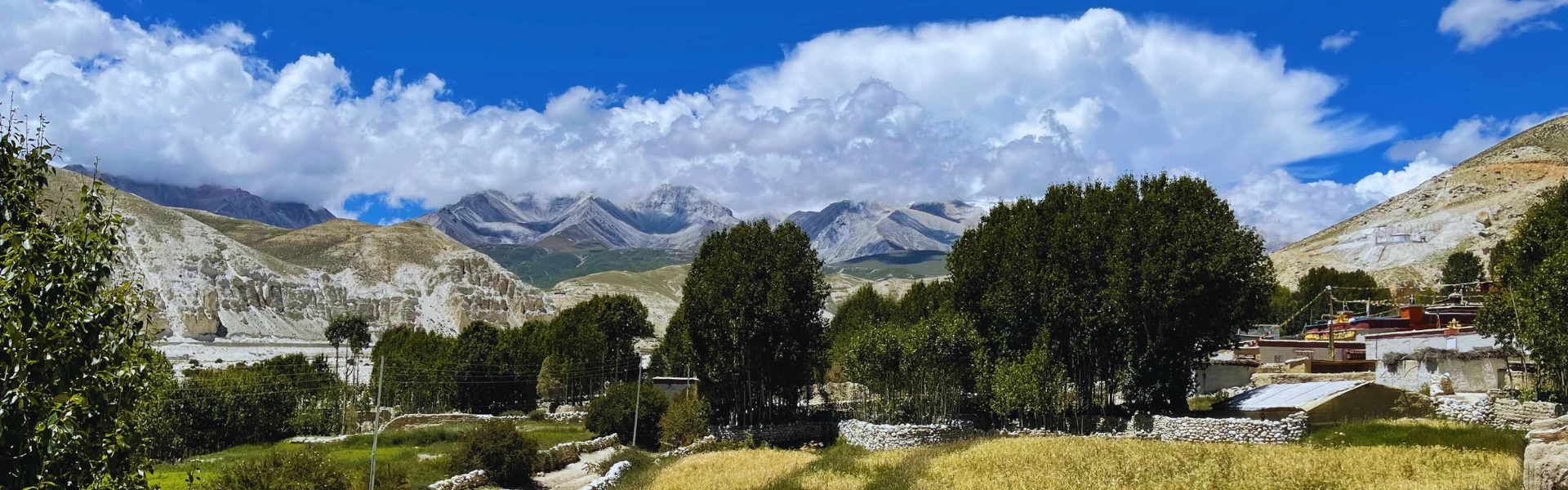
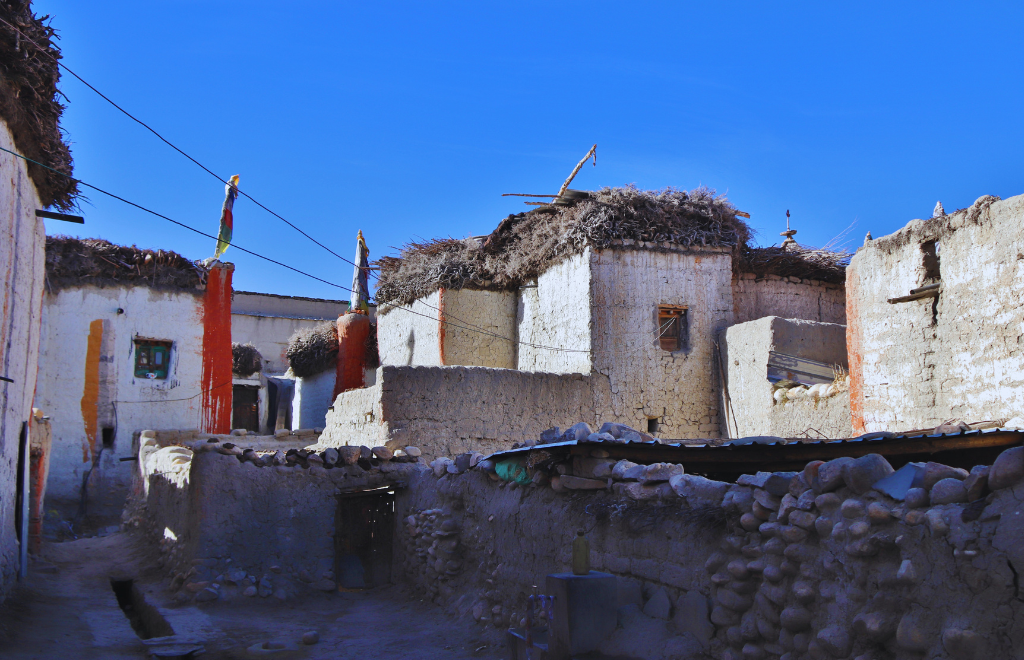
The upper Mustang region, by contrast, feels like a preserved time capsule. Often called the “Last Forbidden Kingdom,” this region was once an independent monarchy, closely tied to Tibet. The people here, known as the Loba people, maintain a way of life that has remained largely unchanged for centuries. At the heart of it all lies Lo Manthang, a medieval walled city filled with monasteries, royal palaces, and narrow alleyways. Walking through its gates feels like stepping into a living museum.
Unlike Lower Mustang, the culture here is purely Tibetan Buddhist, which is less influenced by modern tourism and more deeply rooted in tradition. Festivals like the Tiji Festival bring the region to life with masked dances and ancient rituals.
Further north lies the sacred Damodar Kunda, a revered pilgrimage site for both Hindus and Buddhists, believed to cleanse sins and grant spiritual merit. Surrounded by stark Himalayan landscapes, its remote setting adds a profound sense of peace and mysticism to the journey.
Mustang Landscape Comparison: What Does Each Region Look Like?
Lower Mustang Region Terrain — Apple Orchards, Pine Forests, and River Valleys
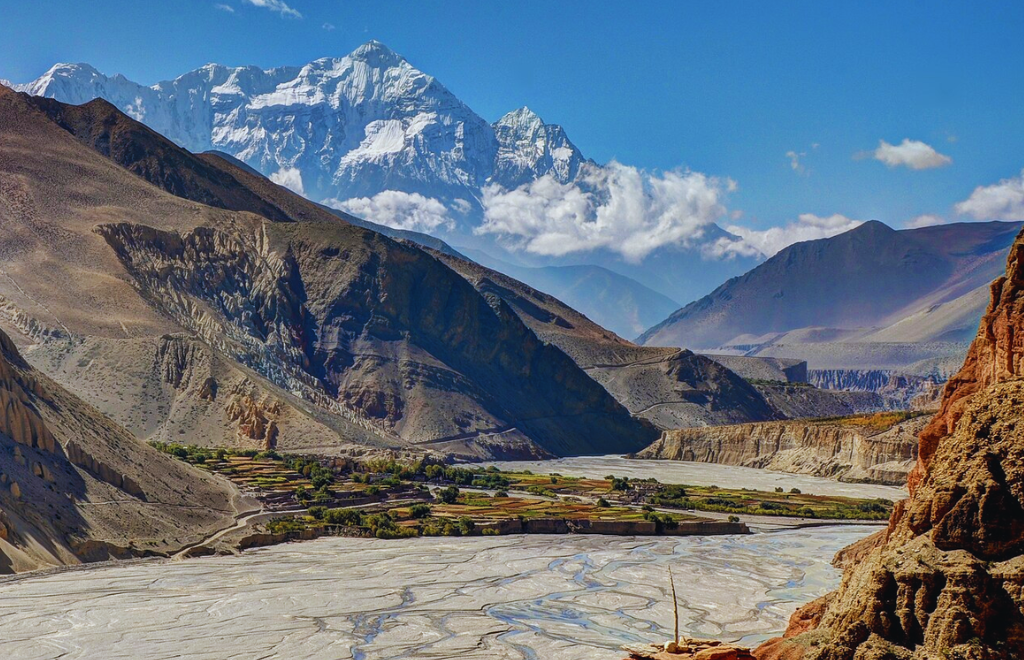
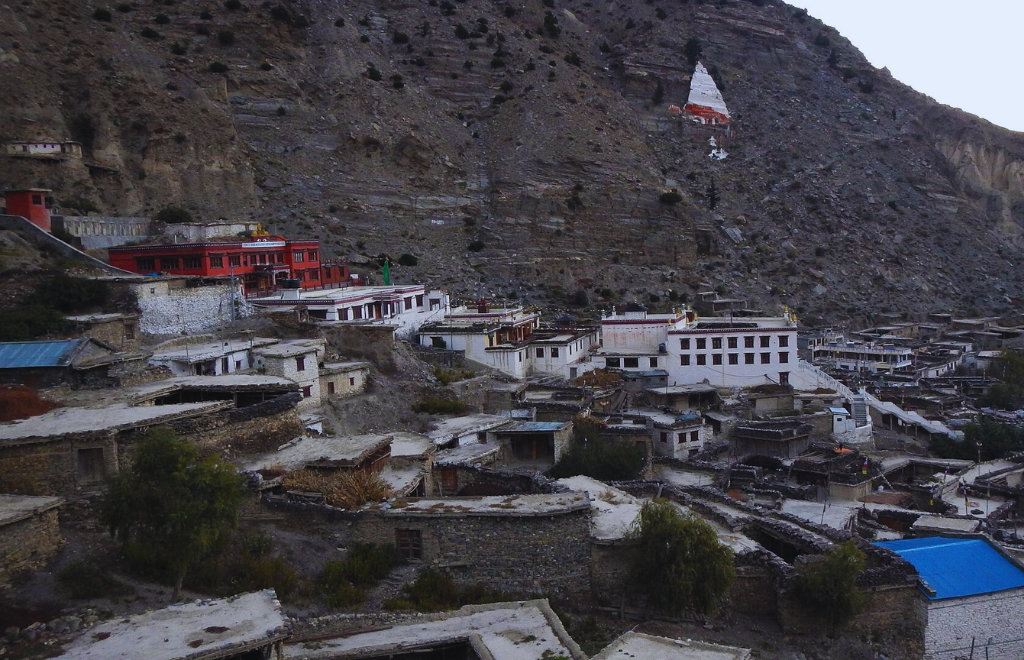
The landscape of Lower Mustang is surprisingly lush for a Himalayan region. You’ll trek through pine forests, riverside trails, and the famous apple orchards of Marpha, which is often called the apple capital of Nepal. The air is fresh, the villages are vibrant, and the trails are well-developed. It feels like a gateway, busy, accessible, and full of life. Flowing through this region is the mighty Kali Gandaki Gorge, one of the deepest gorges in the world, carving a dramatic valley that shapes the entire landscape.
Upper Mustang Region Terrain — Red Canyons, Sky Caves, and Tibetan Desert
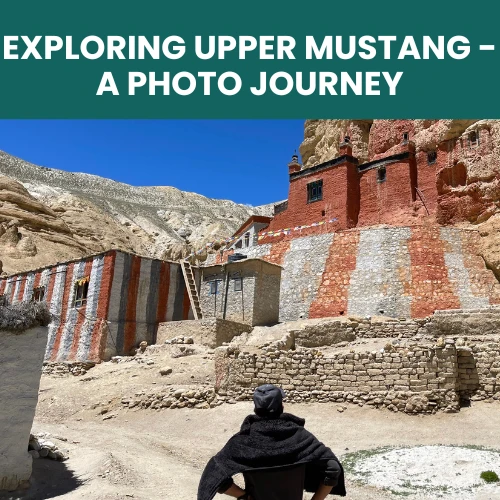
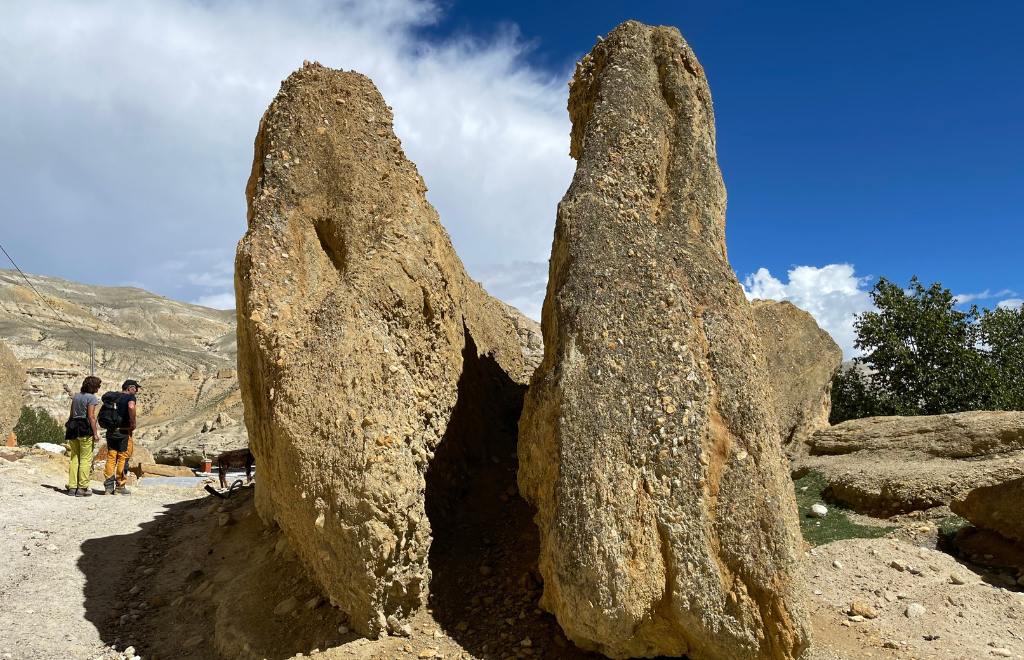
As soon as you cross Kagbeni village, the transformation is immediate. Greenery disappears, replaced by a dramatic high-altitude desert shaped by the Trans-Himalayan rain shadow. The landscape becomes a surreal mix of ochre cliffs, red canyons, and vast open skies. Towering above the valleys are the mysterious Sky Caves, thousands of man-made caves carved into cliffs, believed to be over 2,000 years old. Some estimates suggest there are more than 10,000 such caves scattered across the region. It’s raw, remote, and almost otherworldly, often compared to a Martian landscape.
Permits and Accommodation —Trekking Upper Mustang vs Lower Mustang Region
Permits
The biggest practical difference lies in permits:
Lower Mustang: Requires Annapurna Conservation Area Permit (ACAP) and TIMS card
Upper Mustang: Requires a Restricted Area Permit (RAP) and Annapurna Conservation Area Permit (ACAP)
- $50 per day (RAP)
- $ 25 total total
Permits for Mustang are not just administrative; they are designed to protect the region. In the Lower Mustang trek, ACAP and TIMS support environmental conservation, trail maintenance, and trekker safety by helping authorities track visitors along routes like Jomsom to Muktinath Temple. In contrast, beyond Kagbeni village, the Upper Mustang trek is a restricted zone due to its sensitive border location and the need to preserve the unique Tibetan Buddhist culture of the Loba people. The higher permit cost and stricter rules help limit mass tourism, protect fragile landscapes shaped by the Trans-Himalayan rain shadow, and safeguard heritage sites like Lo Manthang.
| Feature | Lower Mustang | Upper Mustang (Restricted) |
| Permits | ACAP & TIMS (~$50) | Restricted Area Permit (RAP): $50/day |
| Guide Rule | Open to independent trekkers | Mandatory Licensed Guide |
| Solo Travel | Allowed | Allowed with guide (Latest Updates) |
| Atmosphere | Social & Developed | Remote & Ancient |
This makes the Upper Mustang significantly more expensive but also far more exclusive.
Do You Need a Guide for the Upper Mustang Region?
- Lower Mustang Trek: Open to independent trekkers, offering full flexibility to plan and travel at your own pace.
- Upper Mustang Trek: Trekking is strictly regulated; a licensed guide and a registered trekking agency are mandatory under current government requirements.
Even solo travelers cannot enter the restricted zone independently. Beyond Kagbeni village, all permits must be processed through an authorized agency, and you must be accompanied by a certified guide throughout the journey. This rule ensures better safety in remote terrain, proper monitoring in a sensitive border region, and responsible tourism that protects the cultural integrity of places like Lo Manthang.
Accommodation and Trail Infrastructure in the Mustang Region
- Lower Mustang Region: Accommodation is comfortable and well-developed, with established teahouses offering Wi-Fi, hot showers, attached bathrooms in some places, and a wide variety of food options. Areas like Jomsom and Marpha Village feel more like trekking hubs, where convenience and comfort are part of the experience.
- Upper Mustang Region: As you move beyond Kagbeni village toward Lo Manthang, accommodation becomes simpler and more traditional. Expect basic lodges and family-run homestays with limited amenities, often no Wi-Fi, shared bathrooms, and simple meals, but a far richer cultural experience.
The further north you go, the more the journey shifts from comfort to authenticity, where fewer modern luxuries are replaced by deeper cultural connections and a true sense of Himalayan remoteness.
Trekking Upper Mustang vs Lower Mustang Region — Side-by-Side Comparison Table
| Feature | Lower Mustang | Upper Mustang |
| Key Towns | Jomsom, Kagbeni, Marpha Village | Kagbeni, Tsarang, Dhakmar village, Ghami, Lo Manthang |
| Major Attractions | Muktinath Temple, apple orchards, Kaligandaki Gorge | Lo Manthang, Sky Caves, Chung-shi cave, Ghar Gomba, Choser Jhong Cave, monasteries, and Damodar Kunda |
| Permit Cost | ~$50 | $50/day |
| Cultural Vibe | Mixed Hindu-Buddhist | Pure Tibetan Buddhist |
| Landscape | Green valleys, forests | Arid desert, red cliffs |
| Accessibility | Easy, jeep + flight | Restricted, controlled |
| Difficulty | Moderate | Moderate but remote |
Altitude and Difficulty Level of the Mustang Region?
Altitude and terrain are two of the most important factors when comparing Upper Mustang vs Lower Mustang. While neither trek is considered technically difficult, the difference in elevation, remoteness, and daily walking conditions means they suit different fitness levels and experience backgrounds.
Lower Mustang Trekking Difficulty
Overall Rating: Moderate
| Checkpoint | Altitude |
| Pokhara | 822 m (2,697 ft) |
| Jomsom village | 2,720 m (8,924 ft) |
| Marpha Village | 2,670 m (8,760 ft) |
| Marpha Village | 2,810 m (9,219 ft) |
| Muktinath Temple | 3,710 m (12,172 ft) |
The lower Mustang region sits comfortably between 2,700 m and 3,800 m throughout most of the trek. This elevation range is high enough to be rewarding but low enough that most reasonably fit trekkers acclimatize without serious difficulty.
Trail conditions are well-maintained, with jeep roads running parallel to most walking routes. Flight connections from Pokhara to Jomsom village make the starting point easily accessible, and teahouses are available at regular intervals.
Key difficulty factors:
- Gradual altitude gain with manageable daily elevation changes
- Strong afternoon winds in the Kali Gandaki valley — an expected and manageable challenge
- Well-marked trails with consistent lodging and food options
- No restricted zone logistics required
Who it suits: First-time Himalayan trekkers, older travelers, those with limited time, and anyone wanting a culturally rich trek without high altitude stress.
Upper Mustang Trekking Difficulty
Overall Rating: Moderate to Challenging
| Checkpoint | Altitude |
| Kagbeni Village | 2,810 m (9,219 ft) |
| Chele Village | 3,050 m (10,007 ft) |
| Syangboche Village | 3,800 m (12,467 ft) |
| Ghami village | 3,520 m (11,549 ft) |
| Charang Village | 3,560 m (11,680 ft) |
| Lo Manthang Town | 3,840 m (12,598 ft) |
| Kagbeni village(return) | 2,810 m (9,219 ft) |
The Upper Mustang trek reaches elevations between 3,000 m and 4,000 m, with some passes and viewpoints rising above 4,200 m. The altitude itself is not extreme by Himalayan standards, but the remoteness, sparse infrastructure, and multi-day commitment make it considerably more demanding than the Lower Mustang trek.
Trail conditions vary significantly. Some sections follow jeep tracks while others cross exposed ridgelines, dry riverbeds, and wind-scoured plateaus with little shade or shelter. The Trans-Himalayan rain shadow means the terrain offers no natural windbreaks, and dust storms are common in spring.
Key difficulty factors:
- Sustained trekking above 3,500 m for multiple consecutive days
- Basic accommodation with limited food variety adds physical fatigue
- No easy exit or evacuation route once beyond Kagbeni
- Mandatory guide requirement adds logistical dependency
- Psychological remoteness — settlements are sparse and widely spaced
Who it suits: Trekkers with prior Himalayan experience, those comfortable with basic living conditions, and anyone prepared for multi-day remote trekking with limited outside support.
Which Mustang Region Should You Choose to Trek?
Choose Lower Mustang Region if you want:
- A budget-friendly trek without high permit costs
- A spiritual journey to Muktinath Temple
- Short, flexible itineraries (5–7 days)
- Easier logistics with road access and flight options
- A balanced experience of culture, comfort, and accessibility
Lower Mustang is ideal if you want a rewarding Himalayan experience without the complexity, perfect for first-time trekkers or those short on time.
Choose Upper Mustang Region if you want:
- True remote Himalayan isolation far from crowded trails
- A deep cultural immersion into traditional Tibetan life
- Exploration of ancient wonders like the Sky Caves, Chung-shi cave, Ghar Gomba, Choser Jhong Cave, monasteries, and Damodar Kunda
- A rare journey into “Little Tibet,” centered around Lo Manthang
- The chance to witness the vibrant Tiji Festival
Upper Mustang is for those seeking something extraordinary, less about comfort, more about discovery, history, and once-in-a-lifetime experiences.
A1 Excursion Adventure Mustang Travel Packages
At A1 Excursion Adventure, we design journeys that go beyond the map; each itinerary is carefully crafted around terrain, acclimatization, and cultural depth, not just distance.
Upper Mustang Trek Packages
Lower Mustang Trek Packages
Each journey is led by experienced local guides and designed to give you the most authentic and seamless Himalayan experience, whether you choose the accessible beauty of Lower Mustang or the remote mystery of Upper Mustang.
Why Choose Us For Mustang Trekking?
What sets us apart is not just logistics experience. Our guides are experts with extensive regional experience, many of whom have spent years navigating the entire Kali Gandaki corridor. From the apple farms of Marpha to the royal courtyards of Lo Manthang, they bring stories, history, and local insight that you won’t find in guidebooks.
We handle:
- Digital permit processing
- Restricted area documentation
- Mandatory insurance verification
- Seamless logistics from start to finish
The result is a smooth, worry-free experience so you can focus entirely on the journey, not the paperwork.
Final Thoughts
Choosing between Upper Mustang vs Lower Mustang is not about which destination is “better”; it's about what kind of journey you want to experience. One offers accessibility, lush valleys, and rich spiritual diversity centered around places like Muktinath Temple. The other offers complete isolation, deep historical roots, and a rare glimpse into a preserved Himalayan kingdom around Lo Manthang. If you are still undecided, the most practical next step is to understand the detailed requirements for permits and insurance, especially for restricted regions where regulations are strict and carefully managed.
Your journey into Mustang doesn’t begin on the trail; it begins with choosing the experience that truly matches your travel purpose.
Ready to Plan Your Mustang Experience?
At A1 Excursion Adventure, we help you choose the right route, handle all permits and logistics, and design a seamless trekking experience tailored to your goals. Contact us today to get a personalized itinerary and start your Mustang adventure with expert guidance.
FAQs
1. What is the main difference between Upper Mustang and Lower Mustang?
Lower Mustang is a more accessible trekking region with greener valleys, villages like Jomsom and Muktinath Temple, while Upper Mustang is a restricted, high-altitude desert region beyond Kagbeni, leading to the ancient walled city of Lo Manthang with a strong Tibetan cultural identity.
2. Do I need a permit for both Upper and Lower Mustang?
Yes. Lower Mustang requires the Annapurna Conservation Area Permit (ACAP) and a TIMS card, while Upper Mustang requires a Restricted Area Permit (RAP) with a daily fee and stricter government control due to its protected cultural and border-sensitive status.
3. Can I trek the Upper Mustang without a guide?
No. Upper Mustang trekking requires a licensed guide and registered trekking agency under current regulations. Independent trekking is not allowed due to safety, border control, and cultural preservation rules.
4. Which trek is easier: Upper Mustang or Lower Mustang?
Lower Mustang is easier because it has better infrastructure, road access, and comfortable teahouses. Upper Mustang is more remote and demanding due to higher altitude, basic accommodation, and restricted access logistics.
5. What is the best time to visit Mustang?
Both regions are best visited during spring (March–May) and autumn (September–November). Upper Mustang is also popular during the Tiji Festival, when cultural celebrations bring the walled city to life.
6. Is the Upper Mustang worth the higher cost?
Yes, for travelers seeking a rare cultural experience. The higher cost helps preserve the region’s ancient Tibetan Buddhist heritage, restricts mass tourism, and maintains the untouched character of places like Lo Manthang.