Deepawali in Nepal is one of the country's most beautiful and culturally significant celebrations. Known locally as Tihar, this five-day Festival of Lights brings together religious traditions, colourful decorations, family gatherings, animal worship, and celebrations of prosperity and happiness.
Every year, homes and streets across Nepal illuminate with traditional oil lamps, candles, and decorative lights. Families worship Goddess Laxmi, prepare traditional sweets, create colourful rangoli, and participate in Deusi-Bhailo, a traditional musical celebration. Although Deepawali is widely celebrated across South Asia, Nepal celebrates it with its own distinctive cultural identity. Alongside Laxmi Puja, the festival honours crows, dogs, cows and oxen, celebrates the Newar tradition of Mha Puja and concludes with Bhai Tika, which celebrates the special relationship between brothers and sisters.
Whether you are planning a trip to Nepal, exploring its cultural heritage, or learning about the country's religious festivals, this guide covers everything you need to know about Deepawali in Nepal.
Table of Contents
When Is Deepawali in Nepal in 2026?
Nepal celebrates Deepawali in November 2026 as part of the five-day Tihar festival. The main Deepawali celebration, Laxmi Puja, falls on Sunday, 8 November 2026.
Tihar follows the Nepali Bikram Sambat calendar and falls in the month of Kartik. Each day has its own religious and cultural importance, with celebrations dedicated to different animals, Goddess Laxmi, the Newar New Year, and the relationship between brothers and sisters. The main festival period begins with Kaag Tihar on 7 November and concludes with Bhai Tika on 11 November 2026.
For visitors and travellers, this is an excellent opportunity to experience Nepal's cultural traditions, festive atmosphere, and hospitality.
Deepawali and Tihar Dates 2026
Days
Festival/Celebration
Nepali Dates (B.S)
English Dates
01
Kaag Tihar (Crow Worship)
Kartik 21
Saturday, 7 November 2026
02
Kukur Tihar and Laxmi Puja
Kartik 22
Sunday, 8 November 2026
03
Gai Tihar (Cow Worship)
Kartik 23
Monday, 9 November 2026
04
Goru Tihar, Govardhan Puja and Mha Puja
Kartik 24
Tuesday, 10 November 2026
05
Bhai Tika
Kartik 25
Wednesday, 11 November 2026
Important Deepawali Dates to Remember
Dhanteras: Friday, 6 November 2026
Dhanteras is traditionally associated with purchasing gold, silver, utensils, and other valuable items as symbols of prosperity and good fortune. It is observed before the main Tihar celebrations.
Kaag Tihar: Saturday, 7 November 2026
The first day of Tihar is dedicated to crows, which are traditionally worshipped as messengers of Yama, the God of Death.
Kukur Tihar and Laxmi Puja: Sunday, 8 November 2026
This is one of the most important days of Deepawali in Nepal. Dogs are honoured during the day, while families worship Goddess Laxmi in the evening.
Gai Tihar: Monday, 9 November 2026
The day is dedicated to cows, which are considered sacred and associated with prosperity and nourishment.
Govardhan Puja and Mha Puja: Tuesday, 10 November 2026
The fourth day includes the worship of oxen, the Govardhan Puja tradition, and the Newar community's celebration of Mha Puja. It also marks the beginning of Nepal Sambat 1147.
Bhai Tika: Wednesday, 11 November 2026
The final day celebrates the relationship between brothers and sisters through traditional tika ceremonies, blessings, gifts, and family gatherings.
Note: Festival dates are based on Nepal's 2083 BS calendar. The precise auspicious time (sait) for religious ceremonies, particularly Bhai Tika, should be checked against the official Nepali Panchang.
What Is Deepawali? Understanding Nepal's Festival of Lights
Deepawali, also known as Diwali, is one of the most widely celebrated Hindu festivals in the world. The name is derived from the Sanskrit words referring to a row of lights or lamps.
The festival symbolises the victory of light over darkness, knowledge over ignorance, and good over evil. In Nepal, Deepawali is celebrated as part of Tihar, a five-day festival that gives special importance to nature, animals, prosperity and family relationships. Unlike celebrations that focus primarily on the worship of Goddess Laxmi, Nepal's Tihar includes a series of rituals dedicated to crows, dogs, cows, oxen and the self. The festival also has a strong social and cultural dimension. Families return to their hometowns, relatives gather, neighbourhoods become illuminated, and traditional Deusi-Bhailo songs fill the streets. For Nepalese people, Deepawali is not simply a religious occasion. It is a celebration of gratitude, togetherness, prosperity, and the importance of maintaining relationships with the natural world.
The Five Days of Deepawali and Tihar in Nepal
Each day of Tihar has a unique significance. The five-day celebration combines religious rituals, traditional practices, and family gatherings.
1. Kaag Tihar – 7 November 2026
The first day of Tihar is known as Kaag Tihar, dedicated to the worship of crows. In Hindu tradition, crows are associated with Yama, the God of Death, and are believed to carry messages from the spiritual world. On this day, families prepare food offerings and place them on rooftops, courtyards, or open spaces for crows. The tradition reflects respect for all living creatures and symbolises the importance of maintaining harmony with nature.
Although Kaag Tihar is not as visually elaborate as Laxmi Puja, it represents an important beginning to the five-day festival.
2. Kukur Tihar and Laxmi Puja – 8 November 2026
The second day is among the most recognisable celebrations of Deepawali in Nepal because it combines Kukur Tihar with Laxmi Puja.
Kukur Tihar: Celebrating the Loyalty of Dogs
Kukur Tihar is dedicated to dogs, which are traditionally regarded as loyal companions, protectors, and guardians. According to Hindu mythology, dogs are associated with Bhairava, a manifestation of Lord Shiva, and are also connected with Yama.
On this day, dogs are honoured with flower garlands, colourful tika on their foreheads, and special food offerings. Both pet dogs and street dogs are included in the celebration. People express gratitude for their loyalty, companionship, and protective nature.
Kukur Tihar has also gained international attention because of the heartwarming tradition of treating dogs with love and respect.
Laxmi Puja: Welcoming the Goddess of Wealth
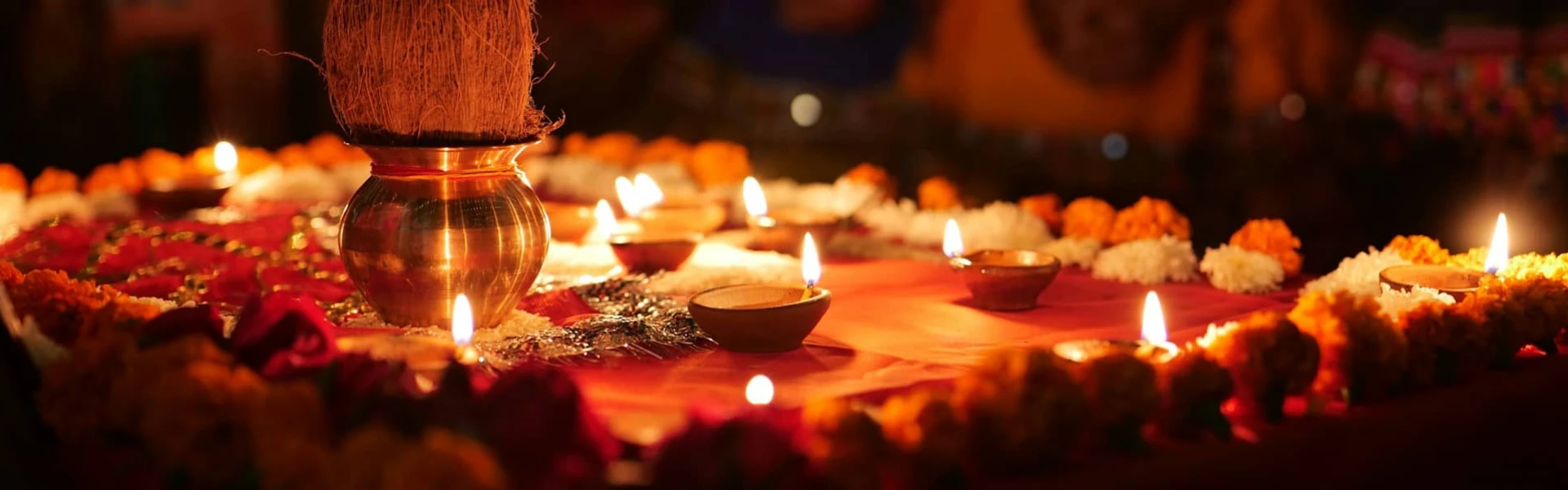
Laxmi Puja is the main Deepawali celebration in Nepal. Goddess Laxmi, the Hindu goddess of wealth, prosperity, fortune, and abundance, is worshipped on this occasion. Families thoroughly clean their homes, decorate entrances with flowers and rangoli, and illuminate their surroundings with traditional oil lamps. One of the most beautiful traditions involves creating a symbolic pathway from the entrance of the house towards the prayer room. Small footprints or decorative patterns represent welcoming Goddess Laxmi into the home.
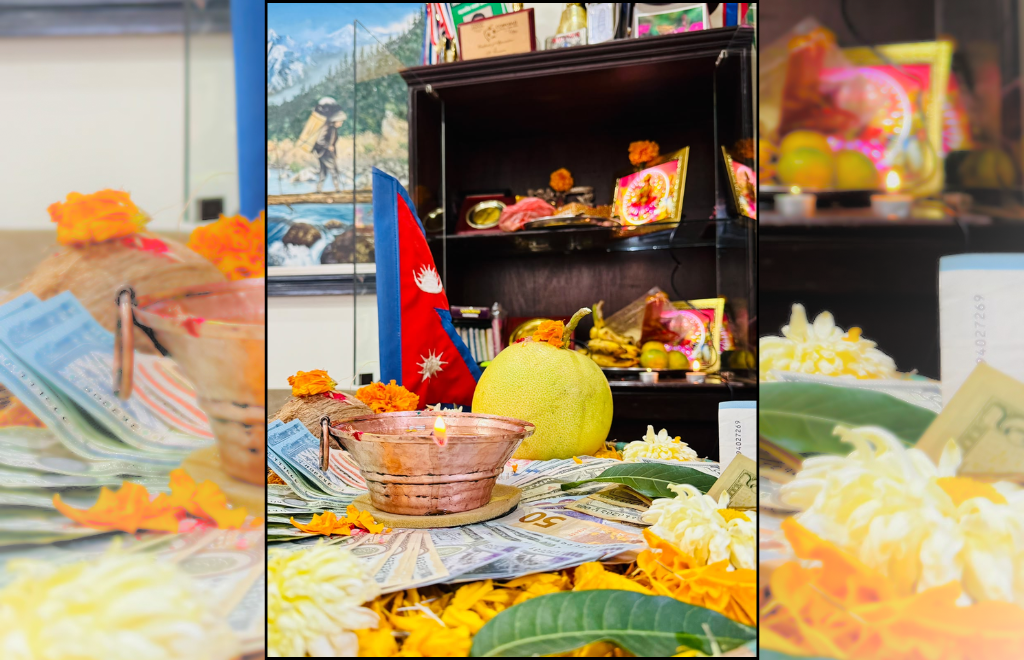
In the evening, families perform Laxmi Puja, offering flowers, fruits, sweets, incense, and prayers. Many households also worship their cash boxes, account books, businesses, and financial records, seeking prosperity and success in the coming year. As night falls, homes and neighbourhoods become illuminated with diyos, candles and decorative lights, creating the magical atmosphere that makes Deepawali the Festival of Lights.
3. Gai Tihar – 9 November 2026
The third day of Tihar is dedicated to the worship of cows. In Hindu culture, cows hold special religious and cultural significance. They are associated with Goddess Laxmi and are respected as symbols of nourishment, generosity, and abundance. On this day, cows are decorated with flower garlands, offered tika, and provided with special food.
Traditionally, families express gratitude for the important role cows play in agriculture and everyday life. In Nepal, cows have a deep connection with rural livelihoods. They have historically provided milk, supported farming communities, and contributed to household agriculture. Gai Tihar therefore represents more than a religious ritual. It is also a celebration of the relationship between humans and animals that support everyday life.
4. Govardhan Puja and Mha Puja – 10 November 2026
The fourth day of Deepawali is particularly meaningful because different communities celebrate different traditions.
Govardhan Puja and Goru Tihar
Govardhan Puja is associated with Lord Krishna and the story of Govardhan Hill. According to Hindu mythology, Lord Krishna lifted Govardhan Hill to protect the people of Vrindavan from heavy rainfall and storms. The celebration symbolises gratitude towards nature and the protection it provides. In Nepal, this day is also associated with Goru Tihar, when oxen are worshipped and honoured for their contribution to agriculture. Oxen have traditionally played an essential role in farming, helping farmers plough fields and transport agricultural goods. They are decorated with garlands and tika and offered special food as a sign of appreciation.
Mha Puja: Worshipping the Self
For the Newar community, this day is especially significant because of Mha Puja, an important traditional celebration of self-worship. Mha Puja means worship of the self. It is performed to recognise the importance of one's own existence, inner strength, health and spiritual well-being. Families create beautifully arranged mandalas for each family member, often using rice flour, coloured powders, flowers and other traditional materials. Each person sits before their mandala and receives offerings, blessings and ceremonial items. Mha Puja is also associated with the beginning of Nepal Sambat, the traditional calendar of the Newar community. In 2026, Nepal Sambat 1147 begins on 10 November.
5. Bhai Tika – 11 November 2026
Bhai Tika is the final and one of the most emotionally significant days of Tihar. The day celebrates the special relationship between brothers and sisters. On this occasion, sisters perform rituals and apply colourful tika on their brothers' foreheads, praying for their long lives, good health, happiness, and prosperity. The tika traditionally consists of seven colours, although practices and arrangements may vary between families. Sisters prepare a special puja arrangement that includes flowers, fruits, sweets, oil lamps, and other ceremonial offerings.
Brothers receive tika and blessings from their sisters and offer gifts, money or other tokens of appreciation in return. One of the most recognisable elements of Bhai Tika is the use of a garland made from Makhamali flowers, which symbolises long life and enduring relationships. The ritual is closely connected with the traditional story of Yamuna and Yama. According to the legend, Yamuna invited her brother Yama to her home and performed a special ceremony for his protection and well-being.
For many families, Bhai Tika is the most anticipated part of Tihar. Brothers and sisters living in different cities or countries often make special arrangements to reunite or celebrate together through calls and messages.
Want to learn more about Tihar in detail? Read the blog below to explore its traditions, rituals, and celebrations.
Deepawali, commonly called Diwali in India, is a major Hindu festival celebrated in different parts of South Asia and around the world. In Nepal, the festival is popularly celebrated as Tihar, where Deepawali is closely associated with Laxmi Puja and the wider five-day celebration.
Both festivals share important traditions, including:
Lighting oil lamps and candles.
Decorating homes with colourful rangoli.
Worshipping Goddess Laxmi.
Sharing sweets and festive meals.
Visiting family and friends.
Celebrating the victory of light over darkness.
However, Nepal's Tihar has distinctive traditions, including Kaag Tihar, Kukur Tihar, Gai Tihar, Goru Tihar, Mha Puja and Bhai Tika. While Laxmi Puja is the central Deepawali celebration, Tihar extends the spirit of gratitude and celebration across several days. In simple terms, Deepawali represents the Festival of Lights, while Tihar is Nepal's distinctive cultural celebration that incorporates Deepawali into a wider five-day festival.
Deusi-Bhailo: The Musical Heart of Deepawali in Nepal
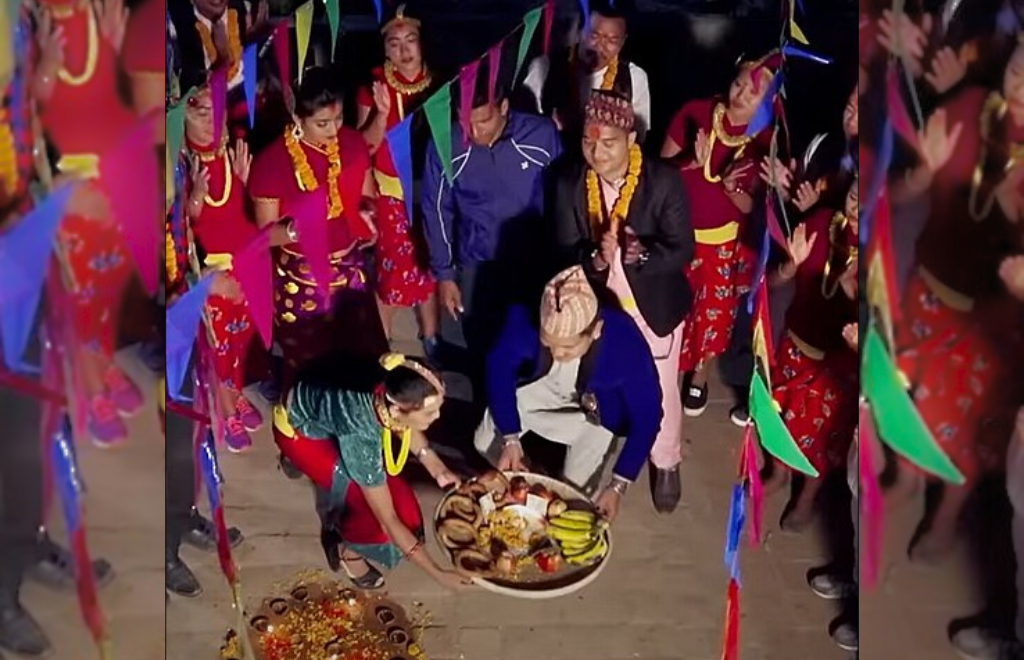
Deusi-Bhailo performers accepting gifts from the householder
No discussion of Deepawali in Nepal is complete without Deusi-Bhailo. Deusi-Bhailo is one of the most entertaining and recognisable traditions of Tihar. During the festival, groups of children, young people and adults visit homes in their neighbourhoods, singing traditional songs, dancing and sharing festive greetings.
The tradition is generally divided into two forms:
Bhailo: Traditionally associated with groups of women and girls, although today people of all genders participate.
Deusi: Traditionally associated with groups of men and boys, although modern celebrations are inclusive.
Participants sing traditional verses, perform dances, and offer blessings to households. In return, homeowners provide money, fruits, sweets, and other gifts.
Today, Deusi-Bhailo has evolved beyond traditional performances. Many groups incorporate modern musical instruments, contemporary songs, creative dance performances and social messages into their celebrations. For many Nepalese people, these songs bring back childhood memories of walking through neighbourhoods, singing with friends and celebrating late into the evening.
How Nepalese Homes Are Decorated During Deepawali
One of the most beautiful aspects of Deepawali in Nepal is the transformation of ordinary homes into colourful and illuminated spaces. Preparations usually begin several days before the festival. Families clean their homes, decorate entrances, and purchase flowers, lamps, and other decorative materials.
Common decorations include:
Diyas and oil lamps: Traditional clay lamps are placed around homes, windows, balconies, and courtyards.
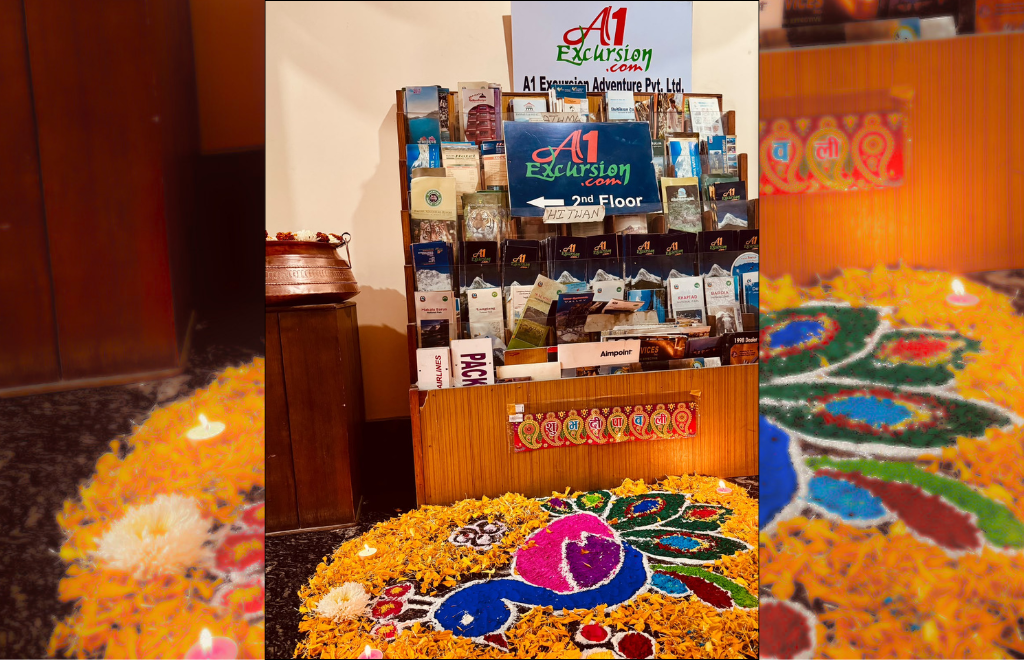
Rangoli: Colourful patterns made using coloured powders, rice flour, flowers, and other decorative materials are created at entrances and courtyards.
Marigold garlands: Bright yellow and orange marigold flowers are used to decorate doors, windows, prayer spaces and homes.
Electric lights: Decorative string lights illuminate rooftops, balconies, and neighbourhood streets.
Laxmi footprints: Small footprints or symbolic designs are created to represent the arrival of Goddess Laxmi.
The combination of traditional decorations and modern lighting creates a unique atmosphere throughout Nepal.
Traditional Foods and Sweets During Deepawali
Food is an important part of every Nepalese celebration, and Deepawali is no exception. Families prepare traditional dishes and sweets, sharing them with relatives, neighbours and visitors. Some popular foods associated with Tihar include:
Sel Roti: A traditional homemade rice-flour bread that is deep-fried until golden brown. It is one of the most recognisable festive foods in Nepal.
Anarsa: A traditional sweet prepared using rice flour and sugar or jaggery.
Kheer: A delicious rice pudding prepared with milk, sugar, and sometimes cardamom, nuts, and raisins.
Fini Roti: A traditional layered and crispy sweet bread enjoyed during festivals.
Lalmohan: A popular syrup-soaked sweet served during festive gatherings.
Fruits and traditional sweets: Families prepare fruit platters and other homemade treats for puja ceremonies and guests.
During Bhai Tika, sisters often prepare special meals for their brothers, making the day even more memorable.
Best Places to Experience Deepawali in Nepal
If you are visiting Nepal during Deepawali, you will find celebrations across the country. However, some destinations offer particularly memorable cultural experiences.
1. Kathmandu
Kathmandu is one of the best places to experience the vibrant atmosphere of Deepawali in Nepal. The city combines traditional celebrations with modern festivities. Historic temples, residential neighbourhoods and shopping streets are decorated with colourful lights, flowers and traditional lamps. Areas around Asan, Indra Chowk and other traditional settlements offer opportunities to observe local culture and festive preparations.
The historic streets of Kathmandu become particularly attractive during the evening when homes and shops illuminate their surroundings.
2. Bhaktapur
Bhaktapur is known for its preserved Newar architecture, traditional courtyards, and rich cultural heritage. During Tihar, the city's historic squares and neighbourhoods provide an atmospheric setting for observing traditional celebrations, including Mha Puja and other Newar customs. Visitors can explore traditional architecture, local markets, temples and cultural activities while experiencing the festive environment.
3. Patan (Lalitpur)
Patan offers a wonderful opportunity to explore traditional Newar culture. Its historic temples, courtyards and artistic architecture create a beautiful backdrop for Tihar celebrations.
Visitors can experience the cultural significance of Mha Puja and the beginning of Nepal Sambat while exploring Patan Durbar Square and its surrounding neighbourhoods.
4. Pokhara
Pokhara celebrates Tihar with colourful decorations, illuminated streets and festive gatherings. The Lakeside area is particularly lively, with restaurants, shops and accommodation providers often embracing the festive atmosphere. Visitors can combine their Deepawali experience with views of the Annapurna mountain range and the natural beauty of Phewa Lake.
5. Bandipur
For those seeking a quieter cultural experience, Bandipur offers a charming setting. Its traditional architecture, peaceful streets, and mountain views provide an opportunity to enjoy the festive atmosphere away from the busy city environment. It is a wonderful destination for travellers interested in traditional Nepalese lifestyles and cultural experiences.
Travel Tips for Visiting Nepal During Deepawali 2026
Deepawali is an excellent time to explore Nepal's culture and traditions. However, visitors should keep a few practical considerations in mind.
1. Plan Your Travel Early
Tihar is a major national festival, and many Nepalese people travel to their hometowns to celebrate with family.
It is advisable to arrange flights, accommodation, and transportation in advance.
2. Check Business and Transport Schedules
Some shops, restaurants, offices, and service providers may operate on reduced schedules or close during important festival days. Plan essential travel arrangements ahead of time.
3. Respect Local Traditions
If you are invited to participate in a puja or family celebration, follow the host's instructions and respect local customs. Ask before taking photographs during private religious ceremonies.
4. Explore Traditional Neighbourhoods
Walking through historic areas of Kathmandu, Bhaktapur, and Patan can be a wonderful way to experience the festival. Be mindful of private homes and ongoing religious rituals.
5. Carry Cash
Some smaller businesses and local vendors may prefer cash payments, particularly during busy festival periods.
6. Enjoy Local Food
Try traditional festive dishes such as sel roti, kheer, and local sweets. Food is one of the best ways to experience Nepalese culture.
How to Celebrate Deepawali Responsibly
Deepawali is a celebration of happiness, prosperity, and respect for all living beings. Maintaining these values is important when celebrating.
Here are some ways to make the festival more responsible and enjoyable:
Avoid excessive fireworks and loud firecrackers that can frighten animals and disturb neighbourhoods.
Use traditional oil lamps and energy-efficient decorative lights.
Feed and care for animals responsibly rather than offering unsuitable food.
Avoid plastic decorations and unnecessary waste.
Keep public spaces and neighbourhoods clean.
Support local flower sellers, traditional artisans and small businesses.
Celebrate Deusi-Bhailo respectfully and avoid disturbing people late at night.
Since Tihar includes the worship of animals, it is especially important to ensure that dogs, cows, crows and oxen are treated with care and respect. The true spirit of Deepawali is not simply about decorations and celebrations. It is about gratitude, kindness, harmony, and togetherness.
Final Thoughts
Deepawali in Nepal is much more than a festival of lights. It is a celebration of the connections that make life meaningful. From the worship of crows and dogs to the celebration of cows, oxen, and the self, every day carries a message of gratitude and respect. Laxmi Puja brings hope for prosperity, while Bhai Tika reminds us of the unconditional love and lifelong connection between siblings.
For visitors, Deepawali offers an extraordinary opportunity to experience Nepal beyond its mountains and trekking trails. It opens a window into the country's traditions, spirituality, hospitality, and vibrant cultural identity. As homes glow with diyos, neighbourhoods echo with Deusi-Bhailo songs and families gather to celebrate, Nepal welcomes another Deepawali with happiness, devotion and togetherness.
Whether you celebrate Deepawali, Diwali or Tihar, the message remains universal: may light overcome darkness, may goodness triumph over negativity and may happiness find its way into every home.
Frequently Asked Questions About Deepawali in Nepal
1. When is Deepawali in Nepal in 2026?
Deepawali's main celebration, Laxmi Puja, falls on Sunday, 8 November 2026 (Kartik 22, 2083 BS). The five-day Tihar festival runs from 7 November to 11 November 2026.
2. When is Laxmi Puja in Nepal in 2026?
Laxmi Puja will be celebrated on Sunday, 8 November 2026. It is one of the most important days of Deepawali, when families worship Goddess Laxmi and illuminate their homes.
3. When is Bhai Tika in 2026?
Bhai Tika falls on Wednesday, 11 November 2026 (Kartik 25, 2083 BS). It marks the final day of Tihar and celebrates the relationship between brothers and sisters.
4. Why is Deepawali called the Festival of Lights?
Deepawali is called the Festival of Lights because families illuminate their homes with traditional oil lamps, candles, and decorative electric lights. The lighting symbolises prosperity, happiness and the victory of light over darkness.
5. Is Deepawali the same as Tihar in Nepal?
Deepawali and Tihar are closely connected. Deepawali refers to the Festival of Lights and is particularly associated with Laxmi Puja. Tihar is Nepal's five-day celebration that includes Deepawali along with animal worship, Mha Puja, and Bhai Tika.
6. Why are dogs worshipped during Tihar?
Dogs are worshipped during Kukur Tihar because they are traditionally associated with loyalty, protection, and their connection with Hindu deities such as Bhairava and Yama.
7. What is Mha Puja?
Mha Puja is a traditional Newar ritual of self-worship. It celebrates one's existence, health, inner strength, and well-being. It is observed on the occasion of the Newar New Year, which falls on 10 November 2026.
8. What is Deusi-Bhailo?
Deusi-Bhailo is a traditional Tihar activity in which groups visit neighbourhood homes, sing songs, perform dances, and exchange festive blessings and gifts.
9. Is Deepawali a public holiday in Nepal?
Yes. Nepal observes public holidays during the Tihar period. In 2026, the gazetted holiday period for Tihar runs from 8 November to 12 November, although individual institutions and services may follow different schedules.
10. What should tourists do during Deepawali in Nepal?
Tourists can explore Kathmandu, Bhaktapur, Patan, and Pokhara, experience traditional decorations, observe cultural celebrations, enjoy festive foods, and learn about the religious and cultural significance of the festival.
Raj Thapa
Founder & Managing Director Raj Kumar Thapa: Founder & Managing Director of the Company, and has over 2 decades of professional experience in the travel and trekking field. Mr. Raj has spent the entirety of his career in the travel & trek organization.