Manaslu Circuit Trek difficulty is one of the most common concerns among trekkers planning this remote Himalayan adventure. The Manaslu Circuit Trek is considered one of the most physically demanding and mentally challenging treks in Nepal, but it is also among the most rewarding. With its pristine landscapes, Tibetan-influenced villages, dramatic river gorges, and the thrilling crossing of the high-altitude Larkya La Pass (5,106 m), this trek tests your endurance while rewarding you with world-class mountain scenery. If you are planning your adventure, A1 Excursion Adventure offers fully guided Manaslu Circuit Trek packages with permits, licensed guides, porters, meals, and accommodations arranged for a safe, stress-free Himalayan experience in Nepal. Contact us to secure your hassle-free Manaslu trek experience for the upcoming season.
The Manaslu Circuit Trek circles the majestic Mount Manaslu, the eighth-highest mountain in the world at 8,163 meters. Unlike the crowded Everest and Annapurna regions, the Manaslu region remains quiet, remote, and culturally authentic. However, this solitude comes with real challenges. Long walking days, unpredictable mountain weather, limited facilities, and high altitude combine to make the Manaslu Circuit Trek a demanding expedition. With proper preparation, realistic expectations, and professional guidance, trekkers of varying experience levels can complete this trek.
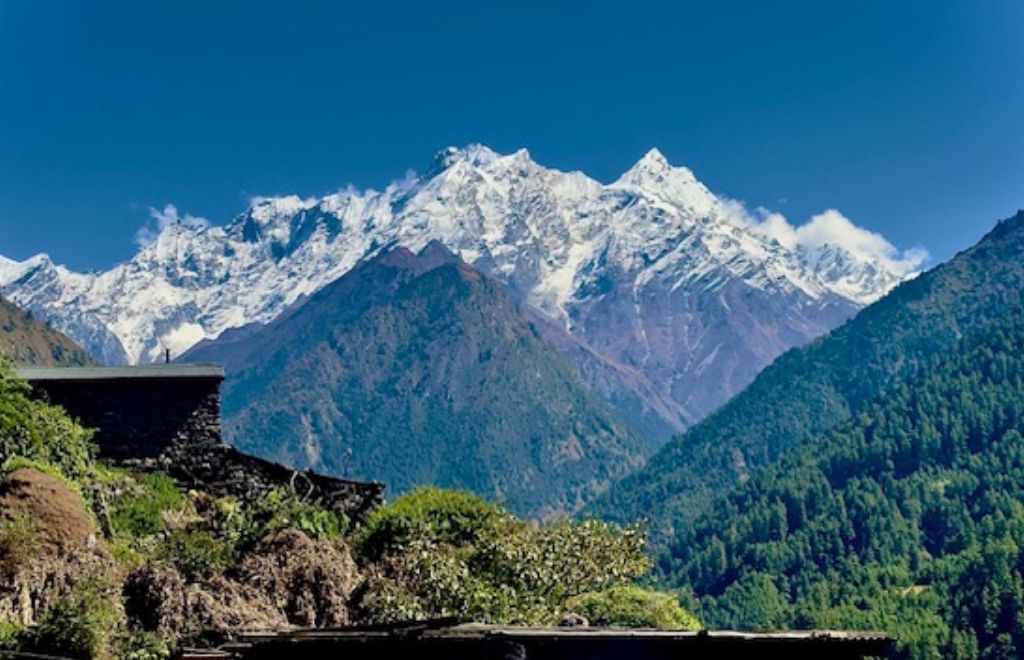
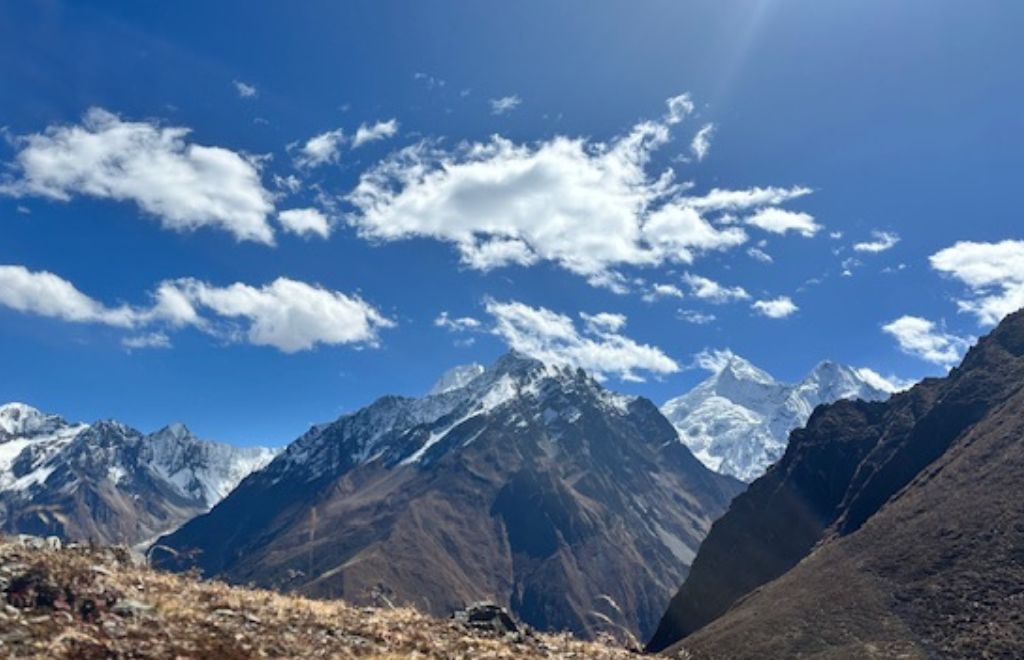
Hills View from the Manaslu Cuircuit Trek
Table of Contents
Why the Manaslu Circuit Trek Is Considered Difficult
The Manaslu Circuit Trek is categorized as a strenuous trek mainly due to its rapid altitude gain, rugged trails, and remoteness. Over approximately 13 trekking days, trekkers ascend from Khola Besi at 800 meters to the Larkya La Pass at 5,160 meters, gaining more than 4,300 meters in elevation in less than two weeks. Daily walking hours range from 6 to 9 hours, often on steep stone steps, narrow cliffside paths, landslide-prone sections, and suspension bridges high above raging rivers.
High altitude also significantly reduces oxygen availability, making even moderate uphill climbs physically exhausting. Weather conditions can change quickly in the Himalayas, bringing snow, strong winds, and freezing temperatures, particularly near the pass. The limited availability of medical facilities, electricity, heating, and reliable phone networks further adds to the challenge. This combination of physical strain, environmental exposure, and isolation defines the Manaslu Circuit Trek difficulty level.
To handle the Manaslu Circuit Trek difficulty, trekkers need good cardiovascular fitness, leg strength, balance, and mental resilience. This is not a trek for completely sedentary individuals without prior physical conditioning. However, you do not need to be a professional athlete either. What matters most is consistent training before the trek.
On the Manaslu Circuit, you will spend several days above 3,000 meters, where altitude fatigue becomes noticeable. Trekking at high altitude drains energy quickly, and your pace will naturally be slower than at sea level. The trek starts at a relatively low elevation, allowing gradual acclimatization, but your body still needs time to adapt to reduced oxygen levels. A1 Excursion Adventure designs itineraries with one acclimatization day at Samagaun to reduce the risk of altitude sickness and increase overall safety. Porters are also available for those who prefer not to carry heavy loads, easing the physical burden significantly.
How Fit Do You Need to Be Before the Trek to Manaslu
While going to the gym is helpful, treadmill walking cannot fully prepare you for uneven Himalayan terrain. Real preparation involves hiking on rough trails, climbing stairs, and walking uphill with a backpack. Cardio exercises such as running, cycling, swimming, and stair training improve heart and lung capacity, while strength training builds the muscles needed for long descents and climbs.
Trekkers should ideally prepare for one to two months before the trek, exercising for at least 60 to 90 minutes daily. Practicing with your trekking boots and pack helps prevent blisters and muscle fatigue. Even if you do not live at altitude, improving cardiovascular endurance will prepare your body to cope better with reduced oxygen levels in the mountains.
Is Age a Limiting Factor on the Manaslu Circuit Trek
Age is not a strict barrier for the Manaslu Circuit Trek. Trekkers in their 50s, 60s, and even 70s have successfully completed the trek with proper preparation and pacing. What matters most is overall health, fitness, and mental readiness rather than age alone. A1 Excursion Adventure has guided trekkers across a wide age range by customizing trekking speed, rest days, and support based on individual needs. A medical check-up before the trek is always recommended, especially for older trekkers.
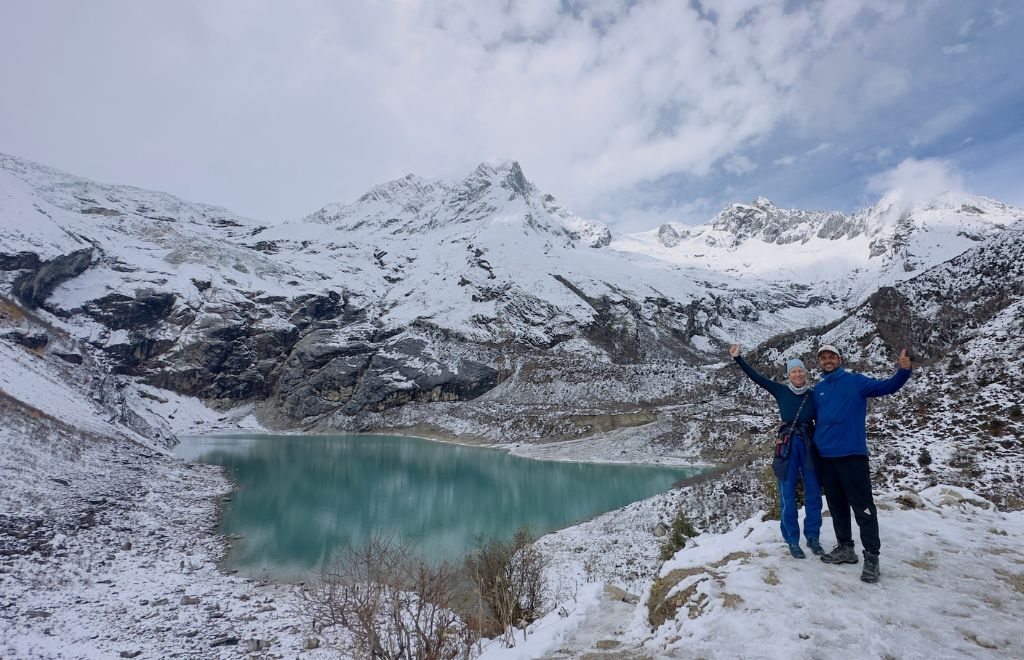
Birendra Lake ( 3,691 m) In Manaslu Cuircuit Trek
Distances and Altitude Gain on the Manaslu Circuit Trek
The trek begins in Kathmandu at 1,400 meters and descends to Lhola Besi at approximately 930 meters to officially start the trekking route. Over the next several days, trekkers gradually ascend through Jagat, Deng, Namrung, Lho, and Samagaun. The real altitude challenge begins after Samagaun, which is followed by Samdo and Dharamsala before the ascent to Larkya La Pass.
Crossing Larkya La at 5,160 meters is the most physically demanding day of the trek, often requiring 9 to 10 hours of continuous walking. After crossing the pass, the trail descends steeply to Bhimthang and gradually continues down to Dharapani, eventually returning to Kathmandu by vehicle. This constant change in altitude places sustained stress on the lungs and muscles, defining the true difficulty of the Manaslu trek.
Remoteness and Limited Facilities
One of the key contributors to the Manaslu Circuit Trek's difficulty is its remoteness. Compared to popular trekking regions, Manaslu has fewer tea houses, and the facilities are extremely basic. Accommodation usually consists of small, family-run lodges with twin beds, shared toilets, and no heating in bedrooms at higher altitudes. Hot showers are limited and often unreliable. Electricity is usually solar-powered, meaning charging electronics costs extra and is sometimes unavailable.
Internet and mobile networks are weak or absent for most of the trek. Medical facilities are minimal, and in emergencies, helicopter evacuation may be the only option. Because of this isolation, trekkers must be self-sufficient, carry essential medications, and rely heavily on professional guides and support staff.
Food Availability and Dietary Challenges
Food on the Manaslu Circuit Trek is simple but nourishing. Most tea houses serve traditional Nepali meals such as dal bhat, noodles, fried rice, soups, potatoes, and Tibetan bread. While some locations offer limited Western items like pancakes, pasta, or eggs, the variety is far less than on the Everest or Annapurna treks.
Because supplies are transported by mules or porters, food becomes more expensive and limited as altitude increases. Trekkers must be mentally prepared to eat similar meals for many days in a row. Hydration is crucial, and drinking sufficient water or herbal tea daily is essential to prevent altitude-related problems.
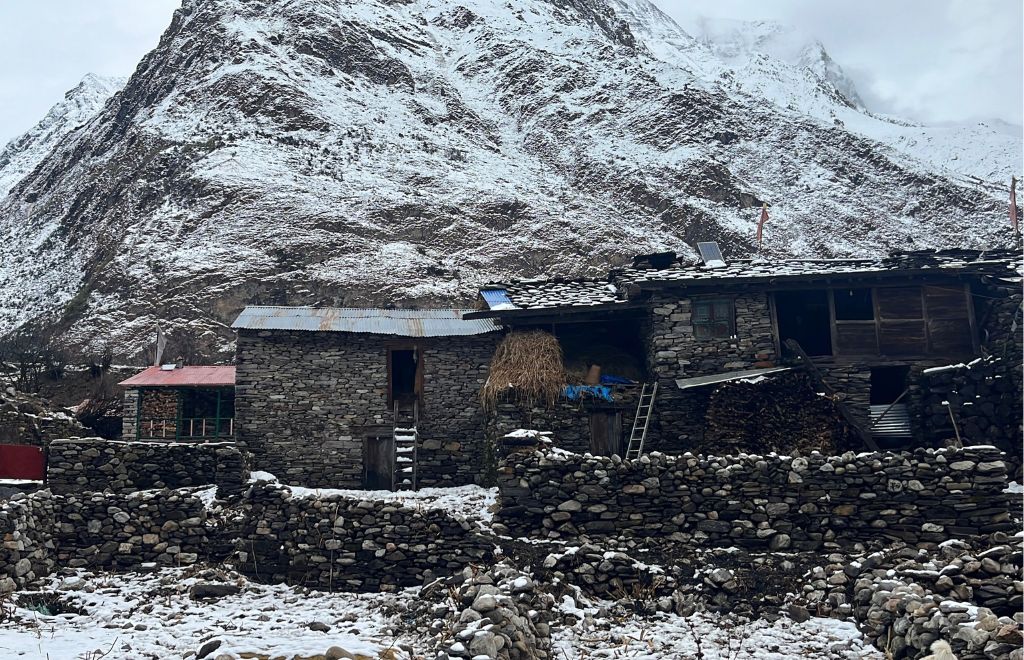
Picture of Sama Gau village 3,530 m in Manaslu Region
Cold Temperatures and Climate Challenges
Cold weather significantly increases the Manaslu Circuit Trek difficulty, especially at higher elevations. Daytime temperatures can be mild when the sun is out, but nights are freezing, particularly above 3,500 meters. At Dharamsala and near Larkya La Pass, nighttime temperatures often drop well below zero degrees Celsius.
Trekkers coming from tropical or hot climate zones may find the cold particularly challenging. Proper thermal layers, down jackets, gloves, and high-quality sleeping bags are mandatory. Even during spring and autumn, snowstorms can occur at high altitudes, making weather one of the most unpredictable elements of the trek.
Trail Conditions and Technical Difficulty
The Manaslu Circuit trail consists of narrow mountain paths, stone staircases, forest tracks, rocky moraines, river crossings, and exposed cliffside sections. Suspension bridges are common and often sway above deep gorges. Landslide-prone areas require extra caution, especially after rainfall or during the monsoon shoulder season.
The ascent to Larkya La Pass involves walking over snow, ice, and loose scree, often in strong winds. While no technical climbing skills are required, good balance, strong legs, and careful foot placement are essential for safety.
Altitude Sickness on the Manaslu Circuit Trek
Altitude sickness is one of the most serious risks contributing to the difficulty of the Manaslu Circuit Trek difficulty. The rapid ascent to over 5,000 meters puts trekkers at risk of Acute Mountain Sickness, which can cause headaches, nausea, dizziness, insomnia, and loss of appetite. In severe cases, it can progress into life-threatening conditions such as HAPE or HACE.
To minimize altitude risk, A1 Excursion Adventure includes one full acclimatization day at Samagaun. These days allow trekkers to hike higher during the day and return to sleep at a lower altitude, helping the body adjust naturally. Proper hydration, slow pacing, avoiding alcohol, and listening carefully to guide instructions are essential for safe acclimatization.
Best Season for Managing Manaslu Circuit Trek Difficulty
Spring from March to May and autumn from mid-September to mid-November are the best seasons for the Manaslu Circuit Trek. During these months, weather conditions are generally stable, skies are clear, and temperatures are moderate, making the trek safer and more enjoyable.
Monsoon season brings heavy rainfall, landslides, muddy trails, and poor visibility, greatly increasing risk. Winter trekking is possible but extremely cold, and Larkya La Pass can become impassable due to deep снег and ice. For safety and comfort, spring and autumn remain the ideal trekking windows.
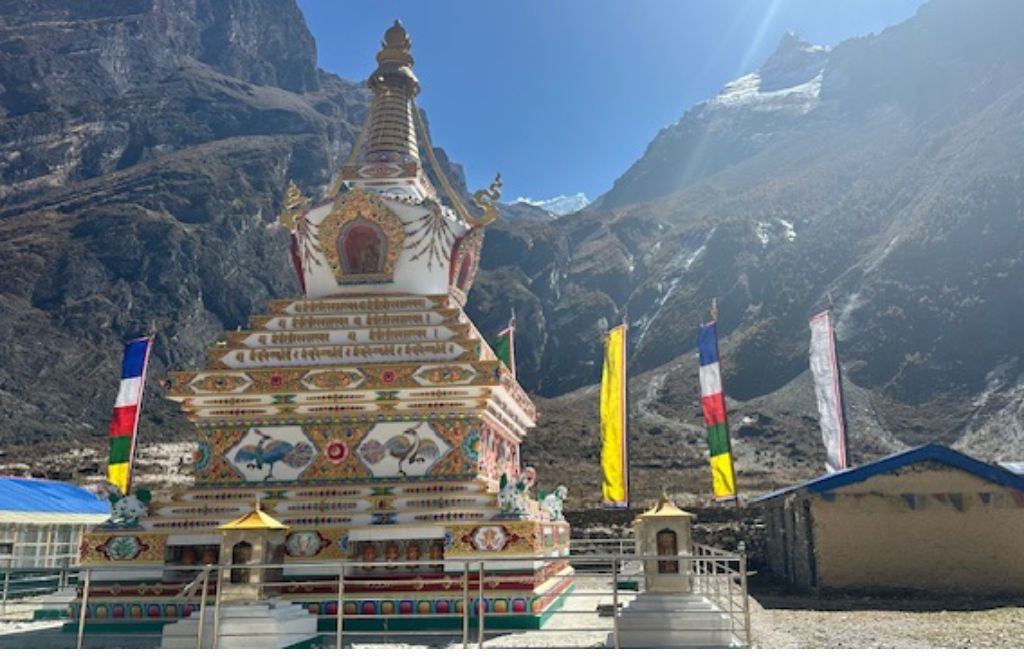
Chorten (Stupa ) on the Manaslu Circuit Trek
Permit Requirements for the Manaslu Circuit Trek
The Manaslu Circuit is a restricted trekking area, and all trekkers must obtain special permits. Required documents include the Manaslu Restricted Area Permit, the Manaslu Conservation Area Permit, and the Annapurna Conservation Area Permit. A minimum of two trekkers is required, and a licensed guide is mandatory.
Beyond physical endurance, the Manaslu Circuit Trek requires significant mental strength. Long days, physical fatigue, cold nights, limited connectivity, and simple living conditions can test patience and determination. Trekkers must remain calm during difficult weather, trust their guides during dangerous sections, and stay motivated when energy levels drop.
Mental preparedness involves accepting discomfort as part of the adventure, maintaining a positive attitude, and remaining flexible when plans change due to weather or health conditions. Those who adapt mentally tend to enjoy the trek far more than those who resist the challenges.
Gear Essentials for the Manaslu Circuit Trek
Preparing the right gear is one of the most important steps for a safe and successful Manaslu Circuit Trek. Since the trail crosses diverse terrain, high-altitude passes, and remote Himalayan villages, having proper equipment ensures comfort, safety, and confidence throughout the journey. Packing smart, light, and efficiently is key, especially for long trekking days above 4,000 meters.
Below is a quick, easy-to-follow essentials table that highlights the most important items every trekker should carry:
Quick Gear Essentials Table for Manaslu Circuit Trek
Category
Essential Items
Clothing
Base layers, fleece jacket, down jacket, waterproof shell, trekking pants, thermal wear
Footwear
Broken-in trekking boots, warm socks, camp shoes
Accessories
Warm hat, gloves, buff/scarf, sunglasses (UV protection)
Manaslu Region Trekking Packages & Manaslu Circuit Trek Itinerary
For trekkers inspired by the challenge and beauty of the Manaslu region, A1 Excursion Adventure offers professionally guided Manaslu trekking packages designed to balance safety, acclimatization, and authentic Himalayan experience. From cultural valley treks to high-altitude pass crossings, our itineraries are carefully planned to manage the Manaslu Circuit Trek difficulty while maximizing scenic and cultural rewards.
Our Manaslu Trekking Packages
We offer a variety of Manaslu region trekking options to suit different fitness levels, interests, and timeframes:
All our Manaslu trekking packages include required permits, licensed local guides, porters, accommodation, meals during the trek, transportation, and flexible itineraries with proper acclimatization days.
Manaslu Circuit Trek Detailed Itinerary
Below is our standard Manaslu Circuit Trek itinerary, designed to gradually acclimate to altitude gain and minimize trekking risks while maintaining a rewarding pace.
Day 1: Arrival in Kathmandu (1,400 m) and transfer to the hotel—Trek briefing and preparation.
Day 2: Drive from Kathmandu to Machha Khola or Khorlabesi (869 m) – 7 to 8 hours.
Day 3: Trek from Machha Khola to Jagat (1,340 m).
Day 4: Trek from Jagat to Pewa or Deng (1,860 m).
Day 5: Trek from Pewa / Deng to Ghap or Namrung (2,630 m).
Day 6: Trek from Ghap / Namrung to Lho (3,180 m).
Day 7: Trek from Lho to Samagaon (3,520 m).
Day 8: Acclimatization day at Samagaon with an optional hike towards Manaslu Base Camp (4,400 m) or Birendra Lake.
Day 9: Trek from Samagaon to Samdo (3,875 m) – 4 to 5 hours.
Day 10: Trek from Samdo to Dharamsala (4,460 m) – 4 to 5 hours.
Day 11: Trek from Dharamsala to Bhimthang (3,375 m) via Larkya La Pass (5,135 m) – 8 to 9 hours (the most challenging day).
Day 12: Trek from Bhimthang to Gho (2,515 m).
Day 13: Trek from Gho to Tal (1,700 m).
Day 14: Drive from Tal to Kathmandu and overnight stay.
Is the Manaslu Circuit Trek Worth the Difficulty ?
Despite the many challenges outlined, the Manaslu Circuit Trek is absolutely worth the difficulty for those seeking a true Himalayan wilderness experience. The trek offers some of the most dramatic landscapes in Nepal, including glacier views, high mountain passes, remote valleys, Buddhist monasteries, and authentic Tibetan culture. Unlike crowded trekking routes, Manaslu provides solitude, raw beauty, and a deep sense of accomplishment.
With professional planning, realistic expectations, and proper training, the Manaslu Circuit Trek becomes an achievable and life-changing adventure rather than an overwhelming challenge.
If you are ready to conquer one of Nepal’s most remote and spectacular trekking routes, A1 Excursion Adventure is your trusted partner for the Manaslu Circuit Trek. From permits and professional guides to porters and logistic support, we handle everything so that you can focus on your adventure safely and confidently.
Contact A1 Excursion Adventure today to book your Manaslu Circuit Trek package and take the first step toward an unforgettable Himalayan journey.
Faqs
1. Is the Manaslu Circuit Trek suitable for beginners?
The Manaslu Circuit Trek is not ideal for complete beginners unless they are physically fit and properly prepared with training and professional guidance.
2. How dangerous is the Manaslu Circuit Trek?
With proper acclimatization, permits, and licensed guides, the trek is safe, though risks remain due to altitude and remoteness.
3. How long does the Manaslu Circuit Trek take?
The standard itinerary takes 13 to 15 days, depending on acclimatization and route conditions.
4. Do I need a guide for the Manaslu Circuit Trek?
Yes, a licensed guide is mandatory as the area is restricted.
5. What is the hardest day on the Manaslu Circuit Trek?
Crossing Larkya La Pass is considered the hardest day due to altitude and long walking hours.
6. How cold does it get during the trek?
Temperatures can drop below- 10 degrees Celsius near the pass at nighttime.
7. Can I hire a porter for the Manaslu Circuit Trek?
Yes, hiring a porter is highly recommended to reduce physical strain.
8. What type of accommodation is available on the trek?
Basic tea houses with shared bathrooms and no heating in rooms are standard.
9. When is the best time to do the Manaslu Circuit Trek?
Spring and autumn are the best seasons for weather stability and safety.
10. Can A1 Excursion Adventure arrange my Manaslu Circuit Trek?
Yes, A1 Excursion Adventure provides complete Manaslu Circuit Trek packages including permits, guides, porters, accommodation, meals, and transport.
Raj Thapa
Founder & Managing Director Raj Kumar Thapa: Founder & Managing Director of the Company, and has over 2 decades of professional experience in the travel and trekking field. Mr. Raj has spent the entirety of his career in the travel & trek organization.

.webp)

.webp)