Why Timing Is Critical in the Manaslu Circuit Trek
The Manaslu Circuit Trek weather pattern is influenced by three major systems:
- Pre-monsoon convection storms
- South Asian monsoon circulation
- Western winter disturbances
The trail spans from 700m at Soti Khola to over 5,106m at Larkya La Pass. That is an extreme climatic gradient. A sunny morning in Machha Khola can turn into whiteout conditions above 4,500m within hours.In my guiding experience, poor timing increases:
- Acute Mountain Sickness (AMS) risk due to forced itinerary changes
- Frostbite exposure in winter winds
- Slip injuries on monsoon-soaked trails
- Delayed rescue response due to weather grounding of helicopters
Professional operators like A1 Excursion Adventure carefully monitor seasonal transition windows, especially during late November and early March when conditions shift rapidly at high elevation. Timing in Manaslu is not about comfort; it is about mountain logic.
Manaslu Circuit Season Comparison Overview
| Season | Weather Stability | Visibility | Trail Condition | Crowd Level | Difficulty Level |
Spring (Mar–May) | Moderate to Stable | Excellent (clear mornings) | Dry, occasional snow high up | Moderate | Moderate |
Autumn (Sep–Nov)
| Very Stable | Outstanding | Dry, firm | High (Oct peak) |
Moderate |
Monsoon (Jun–Aug) | Unstable | Poor (cloud cover) | Wet, landslides | Very Low | High |
Winter (Dec–Feb) | Cold but stable | Very Clear | Snow-covered high passes | Very Low | High |
From a pure safety-to-scenery ratio, autumn generally ranks highest. But context matters, and we will examine each season deeply.
Spring (March–May): Manaslu in Bloom
Spring marks the beginning of the prime Manaslu trek in the spring window. Snow begins melting at lower elevations, while high passes remain cautiously manageable.
Weather Patterns
- Day temperatures (3,000m): 8–15°C
- Night temperatures (4,000m+): –8°C to –12°C
- Occasional afternoon snow flurries above 4,500m
Larkya La Pass weather in early March can still be winter-like. By mid-April, crossings become more predictable.
Trail Conditions
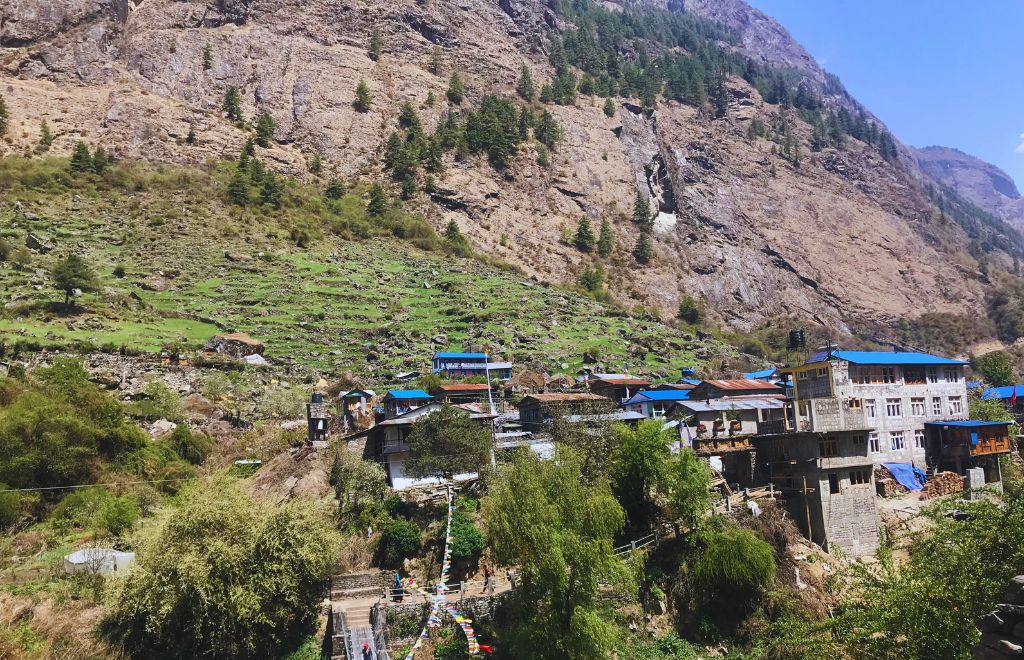
Lower trails are dry and vibrant. Rhododendrons bloom between Deng and Namrung. However, early spring may still hold icy patches near Dharamsala.
Visibility
Morning clarity is excellent. Afternoon cloud build-up is common in May due to pre-monsoon convection.
Altitude Challenges
Rapid snowmelt can destabilize sections above Samdo. Acclimatization remains critical.
Government-Certified Operators such as A1 Excursion Adventure often add contingency days to April itineraries due to high-pass variability.
Suitable For
- Photographers (bloom + snow contrast)
- Experienced trekkers
- Moderate crowd preference
Spring offers beauty with manageable risk, provided timing falls mid-April to early May.
Autumn in Manalsu (September–November): The Gold Standard
If someone asks me directly about the best time for the Manaslu Trek, autumn is statistically the safest and most rewarding period.
Weather Stability
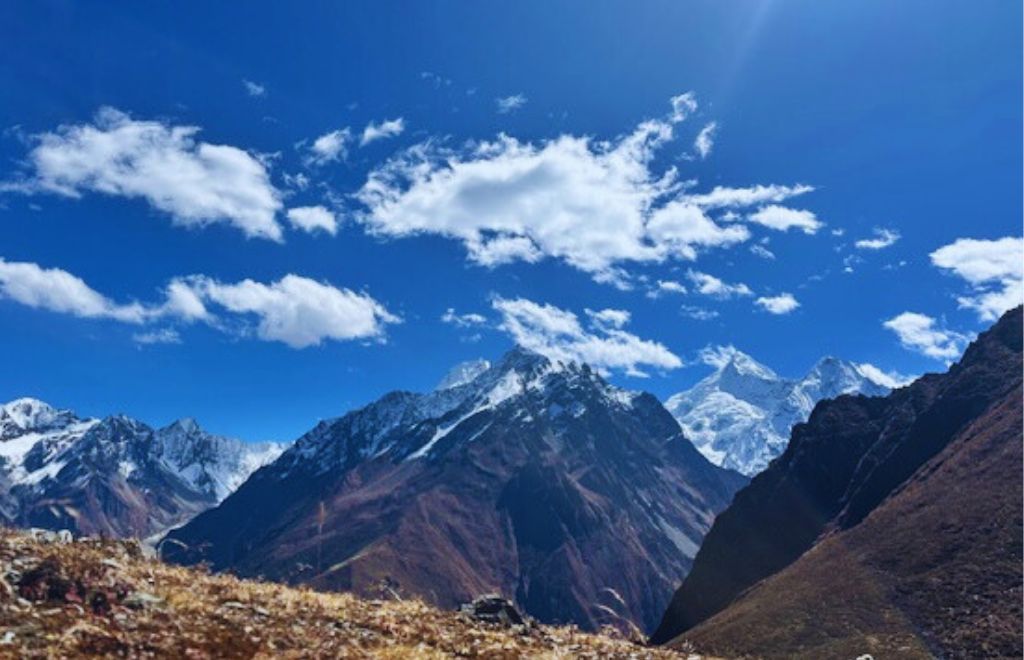
After the monsoon clears the atmosphere, the skies remain crystal clear. Visibility extends deep into the Himalayan range surrounding Mount Manaslu.
- Day temperatures (3,500m): 10–18°C
- Night temperatures (4,500m): –5°C to –10°C
October is the most reliable month.
Trail Condition
Firm, dry, stable. River levels are manageable. Landslide zones stabilize by late September.
Larkya La Pass Weather
Wind speeds remain moderate compared to winter. Snow accumulation is minimal before late November.
Teahouse Availability
Fully operational. Supplies are fresh after post-monsoon restocking.
Risks
- Higher traffic mid-October
- Early snowfall risk in late November
This season offers the optimal balance of safety, scenery, and stable weather on the Manaslu Circuit Trek.
Monsoon / Summer in Manaslu (June–August): High Risk, Low Visibility
Manaslu monsoon trekking is strongly discouraged for standard trekkers.
Weather Pattern
- Persistent rainfall below 3,000m
- Lee-side dryness after Samdo (Manaslu lies in a partial rain shadow)
- Thick cloud cover
Trail Conditions
Mud, leeches, landslides, and slippery sections near Jagat and Philim.
Altitude Risks
Cloud coverage reduces visual orientation at high elevations.
Who It’s Suitable For
Only:
- Highly experienced trekkers
- Researchers
- Solitude seekers with strong risk tolerance
Emergency evacuation is complicated during the monsoon due to helicopter grounding.
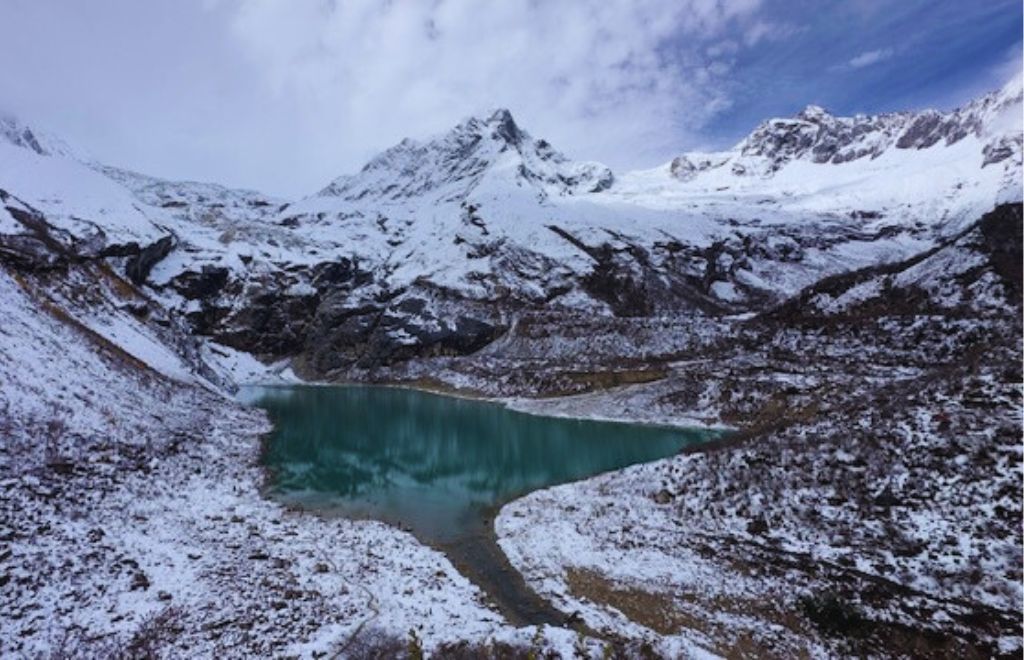
Winter in Manaslu Circuit (December–February): Remote and Demanding
Manaslu winter trekking transforms the circuit into an expedition-style route.
Weather Stability
- Skies are often clear. However:
- Night temperatures at 4,500m: –15°C to –25°C
- Wind chill at Larkya La: extreme
Trail Conditions
Heavy snow above Lho and Larke-la Pass closure down to Bhimtang is common in January–February.
Teahouses
Limited availability. Some close for winter.
Safety Concerns
- Frostbite
- Hypothermia
- Blocked pass requiring reroute
Winter is suitable only for experienced, well-equipped trekkers with flexible plans.
Manaslu Circuit Month-by-Month Temperature Table (Average)
| Month | Lower Region (700–1,500m) | Mid Region (2,000–3,500m) | High Region (4,000–5,100m) |
| Jan | 10°C / 2°C | 5°C / –5°C | –5°C / –20°C |
| Feb | 14°C / 4°C | 8°C / –3°C | –3°C / –18°C |
| Mar | 18°C / 7°C | 12°C / –2°C | –2°C / –12°C |
| Apr | 22°C / 10°C | 15°C / 0°C | 0°C / –8°C |
May | 25°C / 14°C | 18°C / 3°C | 3°C / –5°C |
Jun | 26°C / 18°C | 20°C / 8°C | 5°C / –2°C |
Jul | 27°C / 19°C | 21°C / 9°C | 6°C / –1°C |
Aug | 26°C / 19°C2 | 0°C / 8°C | 5°C / 0°C |
| Sep | 24°C / 16°C | 18°C / 5°C | 2°C / –5°C |
Oct | 22°C / 12°C | 16°C / 2°C | 0°C / –8°C |
| Nov | 18°C / 8°C | 12°C / –2°C | –5°C / –12°C |
| Dec | 12°C / 3°C | 7°C / –4°C | –8°C / –18°C |
This Manaslu temperature by month overview illustrates why October and April stand out.
Month-by-Month Rainfall Table of Manaslu Region
Month | Rainfall Level |
Jan | Very Low |
| Feb | Low |
| Mar | Low |
| Apr | Moderate |
| May | Moderate |
| Jun | High |
| Jul | Very High |
| Aug | Very High |
| Sep | Decreasing |
| Oct | Low |
| Nov | Very Low |
| Dec | Minimal |
Monsoon rainfall dramatically affects lower trail access.
Trekker Type
| Best Season |
| Beginner | Mid-September to October and the end of November |
| Photographer | April, October, and November |
| Experienced Mountaineer | Late March or December |
| Budget Trekker | Late November |
| Solitude Seeker | Early December |
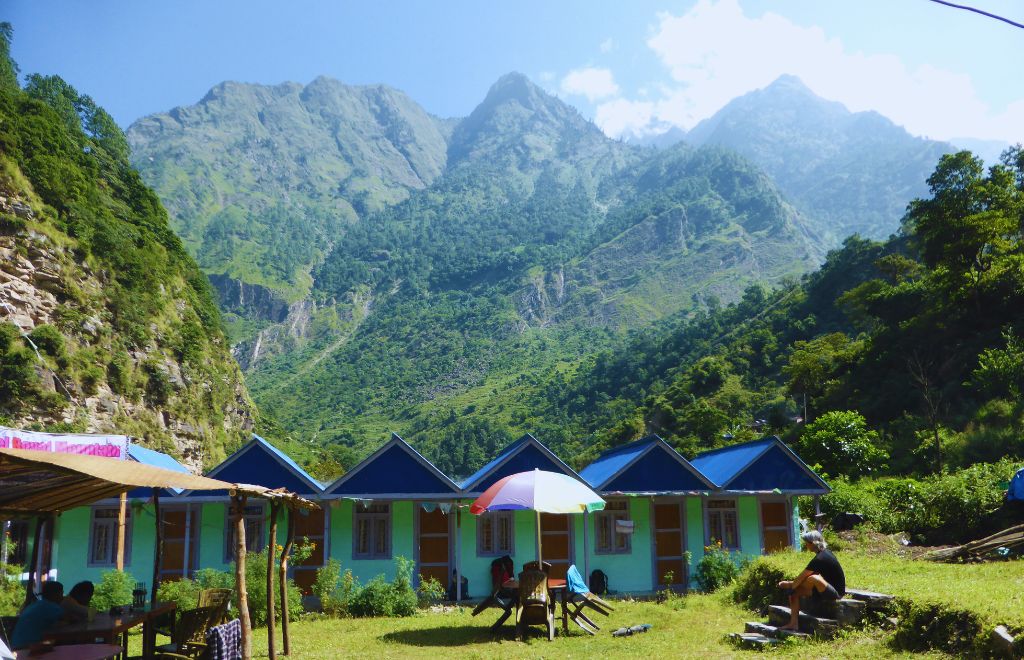
Manaslu Region Trekking Packages by A1 Excursion Adventure
A1 Excursion Adventure offers a range of professionally guided Manaslu trekking packages to suit different fitness levels, timeframes, and trekking goals.
- Manaslu Base Camp Trek
- Lower Manaslu Tsum Valley Trek
- Rupi-Nala Pass with Manaslu Circuit
- Manaslu Circuit Trek with Tsum Valley
- Manaslu Circuit Trek
What’s Included? All restricted area permits, TIMS, licensed guides, porters, teahouse accommodation, and three nutritious meals per day.
Ready for the Adventure of a Lifetime?
Book your Manaslu trek with A1 Excursion Adventure today and experience the untouched beauty of the Himalayas with a trusted local expert.
Final Thoughts
The best time for the Manaslu Trek ultimately depends on your experience level, risk tolerance, and goals. However, based on safety, weather stability, pass accessibility, and overall trekking quality, Autumn: Mid-September to October till mid-November and Spring mid-April to mid-May consistently provide the most balanced conditions. The Manaslu region is not a casual trekking destination. It is a remote Himalayan circuit that demands respect for altitude, weather systems, and logistics. Proper seasonal planning, including acclimatization pacing, weather tracking, and permit management, significantly enhances both safety and experience. Professional teams such as A1 Excursion Adventure emphasize flexible itineraries, real-time weather monitoring, and risk-managed high-pass strategy, especially when approaching Larkya La.
If you are planning your trek, consider exploring:
Timing is everything in the mountains. Choose wisely, and Manaslu will reward you with one of the most profound Himalayan journeys available in Nepal.
Faqs
1. What is the safest month for the Manaslu Circuit Trek?
The safest and most stable month for the Manaslu Circuit Trek is October. During this peak autumn season, the weather is dry, the skies are clear, and conditions at Larkya La Pass (5,106m) are more predictable. October offers excellent mountain visibility and minimal rainfall, making it ideal for crossing high-altitude sections safely.
2. Can I trek the Manaslu Circuit in May?
Yes, May is a popular spring trekking month in the Manaslu region. However, trekkers should expect warmer temperatures, occasional pre-monsoon storms, and afternoon cloud build-up. While rhododendron forests bloom beautifully in spring, the weather can become less stable in late May.
3. Is winter trekking in Manaslu too dangerous?
Winter trekking (December–February) is possible but requires proper preparation and experience. Extreme cold, heavy snowfall, and potential closure of Larkya La Pass can make the trek more challenging. Trekkers should have flexible itineraries, professional guides, and suitable cold-weather gear.
4. How unpredictable is the weather at Larkya La Pass?
The weather at Larkya La Pass can change rapidly within hours due to high-altitude wind systems and temperature shifts. Early morning crossings are recommended to avoid strong afternoon winds and snowstorms. Proper acclimatization is essential for a safe pass crossing.
5. Is trekking Manaslu during the monsoon completely impossible?
No, but trekking during the monsoon (June–August) is considered high risk. Heavy rainfall can cause landslides, slippery trails, river swelling, and poor mountain visibility. It is not recommended unless you have prior high-altitude trekking experience and are prepared for unpredictable conditions.
6. Which season offers the best mountain views in Manaslu?
Autumn (September–November) provides the clearest Himalayan views, including spectacular panoramas of Mount Manaslu and surrounding peaks. Stable weather and low humidity result in crystal-clear visibility throughout the trek.
7. When is the Manaslu Circuit least crowded?
January and monsoon months (June–August) are the least crowded seasons. However, these months come with weather challenges such as extreme cold or heavy rainfall.
8. Does altitude sickness risk vary by season on the Manaslu Circuit?
Yes, altitude sickness risk can increase in winter and early spring due to cold stress and sudden itinerary changes caused by weather disruptions. Proper acclimatization, hydration, and gradual ascent remain crucial in all seasons.

.webp)

.webp)