Manaslu Region: Geography, Culture, and Trekking Significance
The Manaslu region lies in north-central Nepal, bordering the Tibetan Autonomous Region of China, and is centered around Mount Manaslu (8,163 m), the eighth-highest mountain in the world. This region remains one of Nepal’s most authentic and least-commercialized trekking destinations, largely because of its restricted status and challenging terrain.
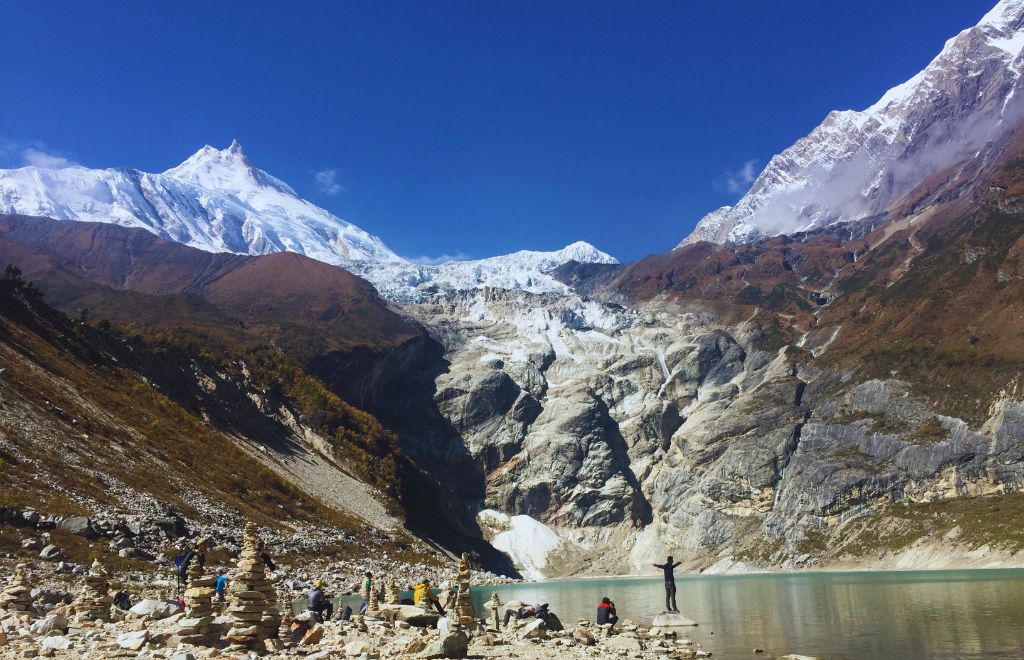
Geographically, the Manaslu trekking route follows the Budhi Gandaki River valley, gradually transitioning from subtropical lowlands to alpine landscapes and glacial moraines. Trekkers pass through deep gorges, suspension bridges, landslide-prone cliffs, and eventually reach the high mountain crossing of Larkya La Pass (5,106 m). These dramatic altitude changes and remote conditions are a key reason why the government closely regulates access through permits.
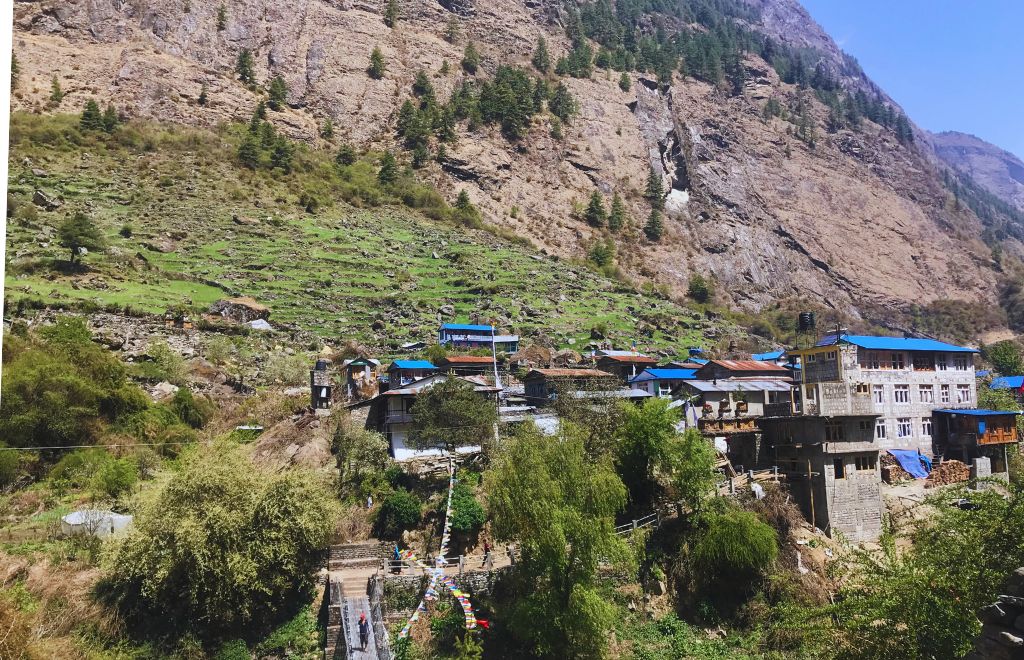
Culturally, the upper Manaslu region, especially villages such as Samagaun, Samdo, and Lho, is heavily influenced by Tibetan Buddhism. Ancient monasteries, mani walls, prayer flags, and traditional stone houses define daily life here. Unlike busier trekking areas, local communities in Manaslu still rely on seasonal trade, agriculture, and controlled tourism, making responsible trekking essential for cultural preservation.
From a trekking perspective, the Manaslu region is considered moderately to highly challenging, not because of technical climbing, but due to its remoteness, limited infrastructure, and long walking days at altitude. Accommodation is mostly basic teahouses, roads are absent for much of the trail, and emergency access is limited. These realities directly influence the cost of the Manaslu trek permit, as permits help fund conservation, local administration, and safety monitoring in such a demanding environment.
Because the Manaslu region overlaps multiple administrative and conservation zones, trekkers must carry several permits rather than a single entry pass. This layered permit system reflects the region’s ecological sensitivity, border proximity, and the need to balance tourism with sustainability factors that make Manaslu fundamentally different from unrestricted trekking regions in Nepal.
Key Facts About the Manaslu Region
| Aspect | Details |
| Highest Peak | Mount Manaslu (8,163m) |
| Maximum Trek Altitude | Larkya-La Pass (5,106m) |
| Administrative Zones | Restricted Area, Conservation Area, Rural Municipality |
| Cultural Influence | Tibetan Buddhism |
| Trek Type | Remote, high-altitude circuit trek |
| Permit Requirement | Mandatory, multiple permits |
This unique blend of high Himalayan geography, living Tibetan culture, and isolation is precisely why the Manaslu region remains protected and why understanding the region itself is essential before calculating permit costs or planning an itinerary.
Why the Manaslu Region Requires Special Trekking Permits
The Manaslu region lies close to the Nepal–Tibet border and remains one of Nepal’s most culturally intact and environmentally sensitive trekking areas. Unlike Everest or Annapurna, unrestricted tourism here would quickly overwhelm fragile ecosystems and centuries-old Tibetan Buddhist communities.
From a government perspective, permits serve four core purposes: regulation, conservation, safety, and community support. Restricted-area policies allow Nepal’s immigration and conservation authorities to control trekker numbers, monitor movement in remote valleys, and ensure that every foreign visitor is accompanied by a licensed guide.
From a guide’s point of view, permit systems also improve emergency response. In landslide-prone sections between Deng and Namrung or during altitude-related incidents near Larkya La Pass, permit records help authorities coordinate rescues efficiently.
Overview of Manaslu Trek Permit Cost
The Manaslu trek permit cost is not a single fee. It is a combination of several permits, each covering a different administrative or conservation zone. The total cost depends on your trekking route, season, nationality, and whether you include Tsum Valley.
Required Permits at a Glance
| Manaslu Restricted Area Permit (MRAP) | Access to the restricted Manaslu region | YES |
| Manaslu Conservation Area Permit (MCAP) | Environmental conservation | YES |
| Annapurna Conservation Area Permit (ACAP) | Exit via the Annapurna region | YES |
| Chumnubri Rural Municipality Permit | Local development fee | YES |
| Tsum Valley Restricted Area Permit | Access to Tsum Valley (optional) | Conditional |
Manaslu Restricted Area Permit (MRAP)
The Manaslu Restricted Area Permit is the core permit that defines the Manaslu trek permit cost. Without it, entry beyond Jagat is illegal for foreign nationals.
Issued by Nepal’s Department of Immigration, this permit ensures that trekkers travel with registered agencies and licensed guides, a rule strictly enforced throughout the region.
MRAP Cost by Season
| Season | Cost (first 7 days) | Additional Days |
| September–November | USD 100 | USD 15 per day |
| December–August | USD 75 | USD 10 per day |
The permit is calculated based on days spent inside the restricted zone, not the total trek duration. Accurate itinerary planning is critical; miscalculations can cause delays or extra charges mid-trek.
Only registered trekking agencies can process MRAPs. Operators like A1 Excursion Adventure pre-calculate permit days carefully, aligning them with acclimatization needs and realistic walking hours.
Manaslu Conservation Area Permit (MCAP)
The MCAP supports conservation of forests, wildlife, and fragile alpine ecosystems across the Manaslu Conservation Area. Funds contribute to trail maintenance, wildlife monitoring, and community-based conservation initiatives.
MCAP Cost
| Nationality | Cost |
| Foreign Nationals | NPR 3,000 (≈ USD 30) |
| SAARC Nationals | NPR 1,000 |
| Nepali Citizens | NPR 100 |
Unlike MRAP, MCAP has a fixed cost regardless of season or trek length.
Annapurna Conservation Area Permit (ACAP)
The Manaslu Circuit trek itineraries exit via Dharapani or Besisahar, which fall under the Annapurna Conservation Area. This makes the ACAP mandatory for standard Manaslu routes.
ACAP Cost
| Nationality | Cost |
| Foreign Nationals | NPR 3,000 (≈ USD 30) |
| SAARC Nationals | NPR 1,000 |
| Nepali Citizens | NPR 100 |
Although geographically separate, ACAP plays a role in sustainable tourism management for shared trail sections.
Tsum Valley Restricted Area Permit
Tsum Valley is culturally and spiritually distinct, often called the “Hidden Valley of Happiness.” If your itinerary includes Tsum Valley, the Manaslu trek permit cost increases accordingly.
Tsum Valley Permit Cost
| Season | First 7 Days | Extra days |
| Sep–Nov | USD 40 | USD 7/day |
| Dec–Aug | USD 30 | USD 5/day |
This permit, like MRAP, must be processed through a licensed trekking agency. Trekking solo here is prohibited.
Chumnubri (Tsum Nubri) Rural Municipality Permit
Introduced by the local government, this permit ensures tourism directly benefits villages like Samagaun and Samdo. Though modest in price, it plays a vital role in local infrastructure and services.
Chumnubri (Tsum Nubri) Permit Cost
| Nationality | Cost |
| Foreign Nationals | USD 10 |
| SAARC Nationals | NPR 1,000 |
| Nepali citizens | NPR 100 |
Permits and Cost for Manaslu Circuit Trek
Because the Manaslu Circuit Trek passes through a restricted Himalayan border region and multiple conservation zones, trekkers must obtain several mandatory permits. Solo trekking is not permitted.
For a standard 14–16 day circuit, the Manaslu trek permit cost typically includes:
- Manaslu Restricted Area Permit (MRAP) – USD 100 (Sep–Nov) or USD 75 (Dec–Aug) for the first 7 days, plus applicable per-day charges
- Manaslu Conservation Area Permit (MCAP) – NPR 3,000 (~USD 30)
- Annapurna Conservation Area Permit (ACAP) – NPR 3,000 (~USD 30)
- Chumnubri Rural Municipality Permit – USD 10
In total, most trekkers spend approximately USD 175–220, depending on season and restricted-area duration (excluding Tsum Valley).
For a smooth and stress-free experience, A1 Excursion Adventure manages all required Manaslu permits in advance, ensuring accurate processing and effortless checkpoint clearance throughout your trek.
Total Manaslu Trek Permit Cost Breakdown
To clarify overall expenses, here’s a realistic overview for a standard Manaslu Circuit Trek (14–16 days):
| Permit | Approx. Cost (USD) |
| MRAP (Peak Season) | 100-145 |
| MCAP | 30 |
| ACAP | 30 |
| Chumnubri Permit | 10 |
| Total (Without Tsum Valley) | 175-220 |
Including Tsum Valley can add USD 40–70, depending on duration and season.
Documents Required for Manaslu Trek Permits
Permit processing is straightforward when documents are prepared correctly. From years of handling permits, the most common delays come from incomplete or mismatched information.
Essential Documents
| Document | Purpose |
| Passport (6+ months validity) | Identification |
| Passport-size photos | Permit records |
| Nepal tourist visa | Legal entry |
| Trek itinerary | Permit duration calculation |
| Agency booking confirmation | Mandatory for restricted areas |
While travel insurance is not required for permit issuance, reputable agencies, including A1 Excursion Adventure, require it for safety and evacuation planning.
Permit Rules, Restrictions, and On-Trail Checks in Manaslu Trek
Manaslu has frequent checkpoints at Jagat, Deng, Namrung, Samagaun, and Dharapani. Officers cross-check permits against passports and itineraries.
Key rules trekkers must respect:
- Minimum two trekkers per group
- Licensed guide mandatory
- No solo trekking
- Printed permits must be carried at all times
Failure to comply usually results in being escorted back, not fined on the spot, but effectively ending the trek.
Expert Tips to Reduce Permit Hassles
From practical field experience, permit issues are easiest to avoid when:
- Your itinerary includes buffer days for weather and acclimatization
- Permit days match actual restricted-zone days
- Names and passport numbers are double-checked
- Permits are printed in multiple copies
Local operators with deep regional knowledge streamline this process. This is where experienced companies like A1 Excursion Adventure quietly add value by handling logistics correctly before the trek even begins.
If you are interested in exploring the trekking packages we offer to our customers, here’s a list you can check out to fulfill your trekking desires in the Manaslu Region.
Conclusion
Understanding the Manaslu trek permit cost is not just about budgeting; it's about trekking legally, safely, and responsibly in one of Nepal’s most pristine Himalayan regions. Multiple permits may seem complex at first, but each exists for valid reasons tied to conservation, safety, and community well-being.
With accurate planning, professional guidance, and proper documentation, the permit process becomes a smooth formality rather than an obstacle. If you’re preparing for the Manaslu Circuit or Tsum Valley, working with experienced local teams ensures compliance while preserving the journey's authentic spirit.
FAQs
Do I need a special permit for the Manaslu Trek?
Yes. The Manaslu region is officially classified as a restricted area by the Government of Nepal. All foreign trekkers must obtain a Manaslu Restricted Area Permit (MRAP), along with conservation permits, before entering beyond Jagat.
How much does the Manaslu trek permit cost in total?
For a standard 14–16 day Manaslu Circuit Trek, most trekkers spend approximately USD 175–220, depending on the season and number of days inside the restricted zone. This does not include additional fees for Tsum Valley.
Can I apply for Manaslu permits independently?
No. Restricted area permits cannot be obtained individually. They must be processed through a registered Nepali trekking agency, and trekking with a licensed guide is mandatory.
Is TIMS required for the Manaslu Trek?
No. The TIMS (Trekkers’ Information Management System) card is not required for Manaslu. The restricted area permit replaces TIMS for this region.
Does the Manaslu trek permit cost change by season?
Yes. The Manaslu Restricted Area Permit (MRAP) and the Tsum Valley permit have seasonal pricing. Costs are higher during the peak trekking months (September–November) and lower from December to August.
How long does permit processing take?
When documents are complete and accurate, permit processing usually takes a few hours through a registered agency in Kathmandu.
Are Manaslu permits refundable or transferable?
No. Once issued, all permits are non-refundable and non-transferable, even if you cancel or shorten your trek.
Do Nepali citizens need permits for Manaslu?
Nepali citizens do not require the restricted area permit, but conservation area entry fees may still apply in certain sections.


.webp)