Understanding the Manaslu Circuit Trek
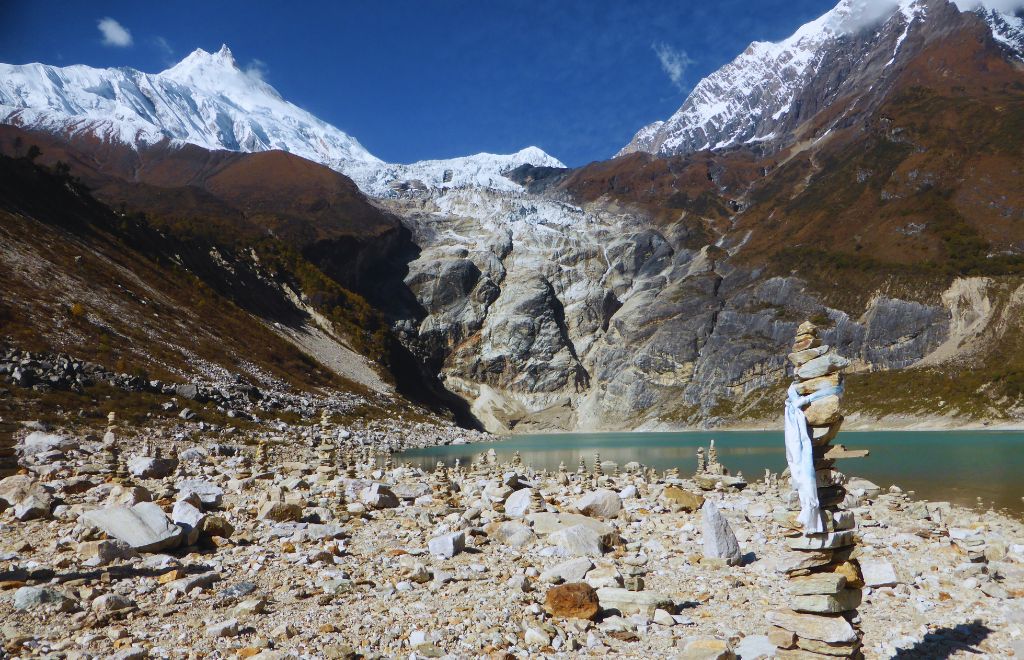
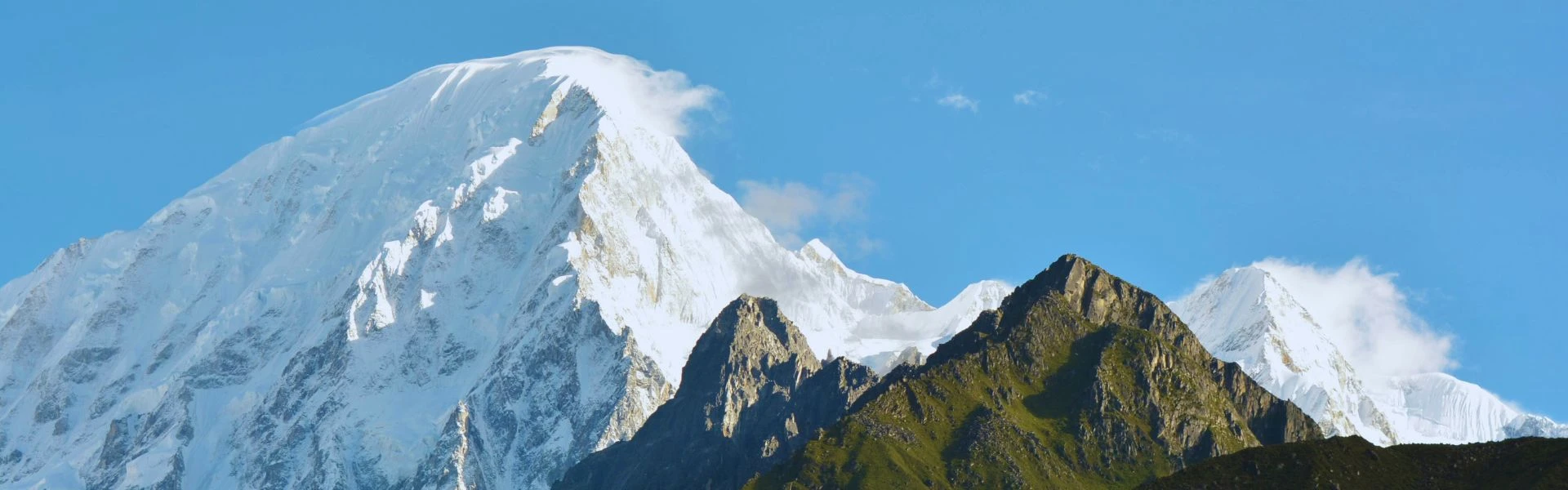
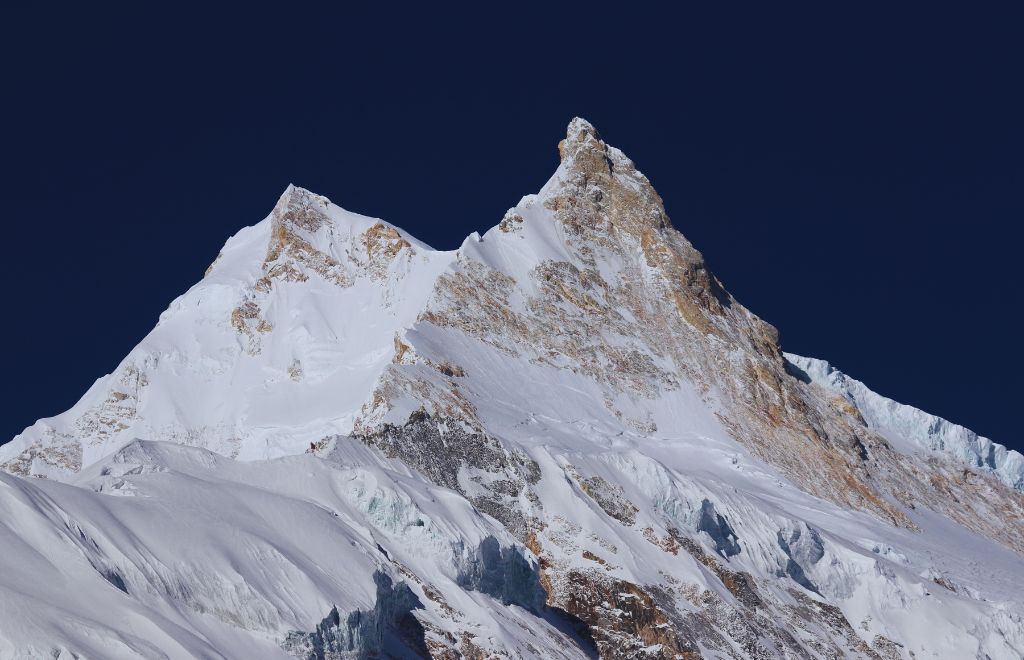
The Manaslu Circuit Trek encircles Mount Manaslu (8,163 m), the world’s eighth-highest mountain. Located in western Nepal near the Tibetan border, this trek remains far less commercialized than Everest or Annapurna. Villages retain a strong Tibetan-influenced culture, trails pass through deep river gorges and high alpine zones, and the sense of isolation increases each day.
Trekkers typically cover approximately 170–180 kilometers over 14 to 16 days. Daily walking time ranges from six to nine hours, often on rocky, uneven trails. The crossing of Larkya La Pass (5,106 m) is the physical and psychological climax of the journey. Because road access is extremely limited, once you are deep in the valley, self-sufficiency and preparation become essential.
Why Preparation Is Critical for the Manaslu Trek
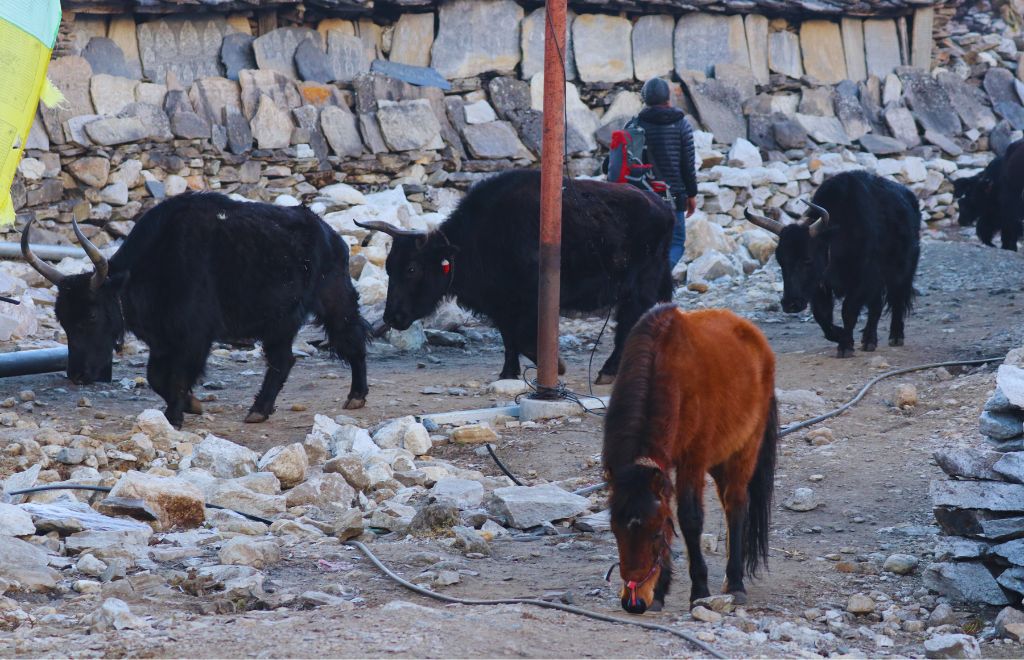
Unlike popular trekking routes, Manaslu offers little margin for error. Weather delays, altitude symptoms, or injuries cannot be solved quickly due to limited evacuation points and long distances between settlements. Proper preparation increases safety, enhances enjoyment, and helps trekkers adapt calmly to unpredictable conditions.
Experienced trekking companies such as A1 Excursion Adventure emphasize preparation-focused itineraries that prioritize acclimatization, pacing, and risk management rather than rushing to complete the circuit. This approach aligns with recommendations from conservation authorities and significantly reduces altitude-related incidents.
Difficulty Level of the Manaslu Circuit Trek
The Manaslu Circuit Trek is widely considered challenging but non-technical. While no mountaineering or climbing skills are required, the trek demands strong physical endurance, mental discipline, and the ability to adapt to prolonged high-altitude trekking. Long walking days combined with thin air make proper pacing and acclimatization essential.
Rather than difficult trails or technical sections, the real challenge of the Manaslu Circuit lies in its altitude, distance, and remote Himalayan setting.
Manaslu Circuit Trek Difficulty Overview
| Aspect | Details |
| Maximum Altitude | 5,106 m at Larkya La Pass |
| Trek Duration | 12 to 16 days |
| Average Walking Time | 6 to 9 hours per day |
| Terrain | Rocky trails, moraines, landslide-prone sections |
| Technical Skills | Not required |
| Rescue Access | Limited and weather-dependent |
In essence, altitude, remoteness, and sustained effort define the Manaslu Circuit Trek difficulty, making it ideal for trekkers seeking a serious yet achievable Himalayan challenge.
Physical Preparation for Manaslu Trek
Physical conditioning is the backbone of manaslu-trek-preparation. The objective is sustained energy, not speed.
Cardiovascular Conditioning
Strong cardiovascular fitness improves oxygen efficiency at altitude. Activities such as brisk walking, jogging, cycling, stair climbing, and swimming should be performed four to five times per week for at least eight weeks. Long-duration, moderate-intensity workouts best simulate trekking conditions.
Strength and Load Training
Leg strength protects knees during long descents, while core and back strength support load carrying. Exercises such as squats, lunges, step-ups, deadlifts, and planks should be integrated gradually. Hiking with a loaded backpack prepares shoulders and hips for continuous strain.
Recommended Fitness Timeline
Weeks Before Trek | Training Focus |
| 10–8 weeks | Cardio base, light strength |
| 8–6 weeks | Longer hikes, stair training |
| 6–4 weeks | Load carrying, back-to-back hikes |
| 3–2 weeks | Recovery, flexibility |
Mental Preparation for Remote High-Altitude Trekking
Mental resilience is as important as physical strength. Isolation, cold nights, and basic facilities can challenge morale. Accepting discomfort as part of the experience prevents frustration.
Adequate sleep, breathing exercises, and stress-management techniques improve emotional stability. Trekkers who understand that delays and weather changes are normal cope far better than those expecting rigid schedules.
Altitude Sickness and Acclimatization Strategy
Altitude sickness remains the greatest medical risk on the Manaslu Circuit Trek. It can affect anyone regardless of fitness.
Key Acclimatization Principles
| Strategy | Purpose |
| Gradual ascent | Allows physiological adaptation |
| Rest days | Supports oxygen adjustment |
| Hydration | Reduces AMS symptoms |
| Controlled pace | Prevents overexertion |
| Early descent | Primary treatment |
Professional itineraries include acclimatization days, particularly around Samagaun, before ascending higher.
Accommodation and Facilities on the Manaslu Route
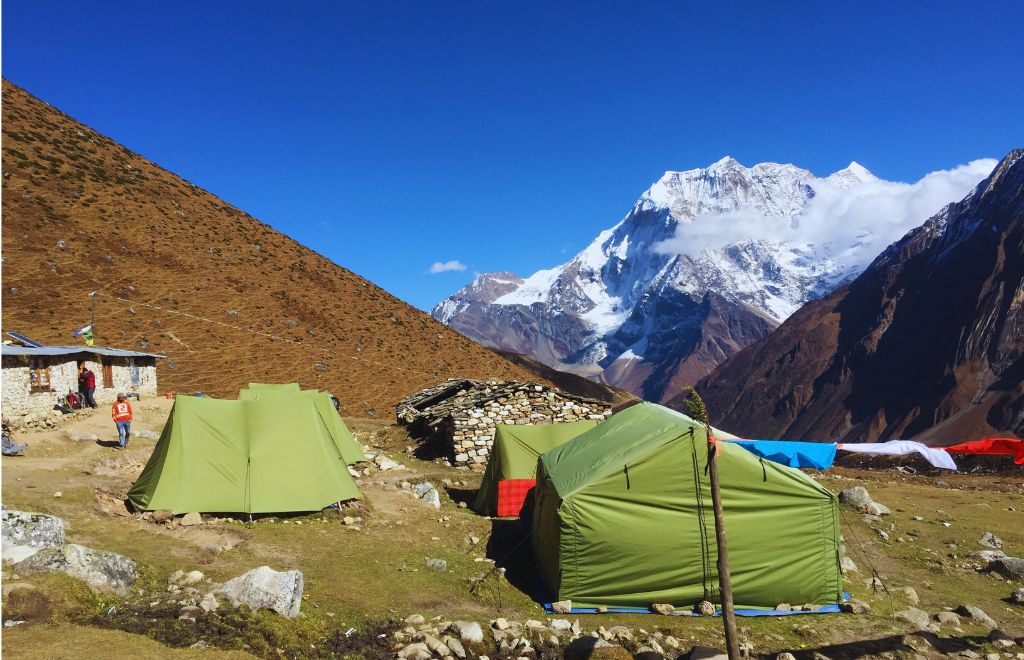
Accommodation consists mainly of teahouses and lodges. Rooms are basic, usually twin-sharing, with shared bathrooms at higher elevations.
Accommodation by Altitude
| Elevation | Facilities |
| Below 3,000 m | Private rooms, hot showers |
| 3,000–4,000 m | Shared rooms, limited showers |
| Above 4,000 m | Basic rooms, no heating |
Dining areas are communal and often heated with stoves. Sleeping rooms are unheated.
Food, Hydration, and Nutrition on the Manaslu Trek
Food on the Manaslu Circuit Trek is designed to fuel long trekking days and support performance at high altitude. Meals are typically carbohydrate-rich to provide sustained energy, with common options including dal bhat, noodles, soups, rice, and potatoes. Eating regular, balanced meals plays a key role in maintaining strength, improving recovery, and supporting proper acclimatization.
Hydration is equally important, especially as altitude increases. Trekkers are advised to drink at least three to four liters of fluid per day, including warm beverages such as tea or soup, which are easier to consume in cold conditions. Consistent hydration helps prevent altitude-related issues and keeps energy levels stable throughout the trek.
Essential Permits and Legal Requirements for the Manaslu Circuit Trek
The Manaslu region is a government-regulated trekking zone, and entering it requires a special restricted area trekking permit. These permits ensure the safety of trekkers and help preserve the fragile Himalayan environment.
Required Permits and Costs
| Permit | Purpose | Approx. Price (USD) |
| Manaslu Restricted Area Permit | Entry to the restricted zone | $50 per person per day |
| MCAP (Manaslu Conservation Area Permit) | Conservation area entry | $20 per person |
| ACAP (Annapurna Conservation Area Permit) | Needed if exiting via the Annapurna region | $30 per person |
In addition, trekking in Manaslu requires a licensed guide and a minimum of two trekkers per group. Professional agencies like A1 Excursion Adventure manage all permits efficiently, ensuring a smooth start to your trek and avoiding unnecessary delays.
Note: The special Manaslu Restricted Area Permit is mandatory and cannot be bypassed. Booking your trek through a registered agency guarantees all legal requirements are fully met.
Safety, Emergency Planning, and Insurance on the Manaslu Circuit Trek
Safety is a top priority on the Manaslu Circuit Trek, but trekkers should be aware that emergency response options in the region are limited. Helicopter evacuation is the only rapid rescue method, and it is heavily dependent on weather conditions.
To stay protected, all trekkers should carry comprehensive travel insurance that explicitly covers high-altitude trekking and emergency evacuation. This ensures you are financially and logistically prepared for any unexpected situation.
The best safety strategy, however, is prevention: pacing yourself, following a proper acclimatization schedule, staying hydrated, and monitoring your health closely throughout the trek.
Manaslu Trek Packing Checklist by Season
Packing smart for the Manaslu Circuit Trek not only reduces fatigue but also ensures comfort and safety in challenging mountain conditions. Your gear should be adapted to the season of your trek, as temperatures and weather can vary greatly.
Seasonal Packing Overview
| Item | Spring/Autumn | Winter |
| Down Jacket | Medium weight | Heavy |
| Sleeping Bag | Rated to -10°C | Rated to -20°C |
| Footwear | Waterproof trekking boots | Insulated trekking boots |
| Accessories | Gloves, sun hat, sunglasses | Thermal layers, insulated gloves, balaclava |
Layering is key. Even in spring and autumn, mornings and evenings can be extremely cold. Quality gear protects you from altitude-related cold, wind, and snow, allowing you to enjoy the trek safely.
Pro Tip: Booking your trek with A1 Excursion Adventure ensures guidance on gear selection and seasonal packing, so you’re fully prepared for every stage of the Manaslu Circuit Trek.
Manaslu Region Trekking Packages by A1 Excursion Adventure
A1 Excursion Adventure offers a range of professionally guided Manaslu trekking packages to suit different fitness levels, timeframes, and trekking goals.
- Manaslu Base Camp Trek
- Lower Manaslu Tsum Valley Trek (14 Days)
- Rupi-Nala Pass with Manaslu Circuit
- Manaslu Circuit Trek with Tsum Valley
- Manaslu Circuit Trek
What’s Included? All restricted area permits, TIMS, licensed guides, porters, teahouse accommodation, and three nutritious meals per day.
What’s Included in Our Manaslu Circuit Trek Packages?
Our Manaslu Circuit Trek packages are designed to provide a smooth, safe, and stress-free trekking experience. Every package includes all essential services so you can focus fully on the journey, not the logistics.
All packages include:
- Restricted area permits and TIMS
- Licensed and experienced trekking guides
- Dedicated porters for load management
- Comfortable tea house accommodation
- Three nutritious meals per day during the trek
- All required ground transportation
- Professional acclimatization planning and safety support
This all-inclusive approach ensures a well-paced, secure, and deeply enjoyable Manaslu Circuit trekking experience. Trek with confidence by booking your Manaslu Circuit journey with our experienced team.
Trekking with Professional Local Support
Restricted-area trekking benefits greatly from experienced local guides. Professional teams manage logistics, pacing, safety, and cultural interactions.
A1 Excursion Adventure focuses on acclimatization-based itineraries, experienced guides, and responsible trekking practices aligned with national regulations.
Conclusion
Manaslu trek preparation is the foundation for experiencing one of Nepal’s most authentic and awe-inspiring Himalayan adventures. With dedicated physical training, mental readiness, proper acclimatization, and professional logistical support, the Manaslu Circuit Trek transforms from a formidable challenge into a deeply fulfilling journey. Careful preparation turns every step into accomplishment, every obstacle into growth, and every moment into a memory that will stay with you for a lifetime.
Begin your Manaslu Circuit Trek with A1 Excursion Adventure today and take the first step toward an unforgettable Himalayan experience.


.webp)