Upper Mustang is not simply a destination; it is a cultural landscape suspended in time, shaped by wind, ritual, and memory. For centuries, this former Himalayan kingdom remained closed to outsiders, preserving a way of life that still feels deeply rooted and remarkably intact. Today, a new generation of travelers is rediscovering Mustang not as tourists passing through, but as guests entering a living cultural world. If you are seeking depth over convenience, silence over spectacle, and meaning over movement, these are the reasons to trek Upper Mustang in Nepal.
10 Reasons Upper Mustang Should Be Your Next Himalayan Adventure in Nepal
Table of Contents
Understanding Upper Mustang Region: Geography, Landscape & Access
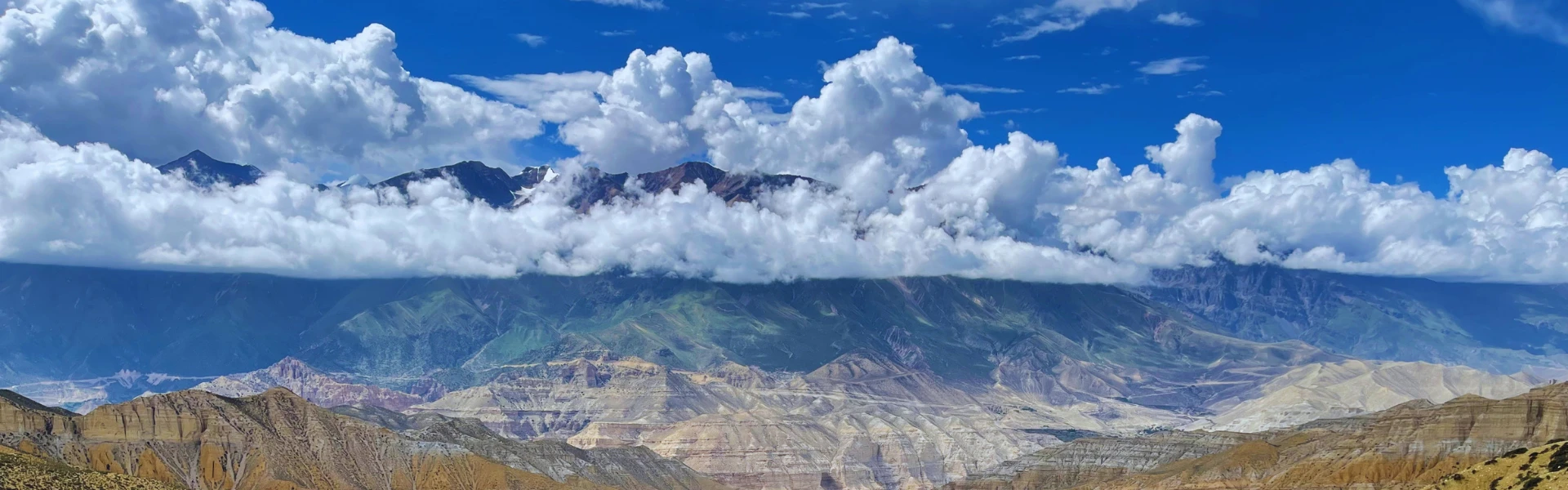
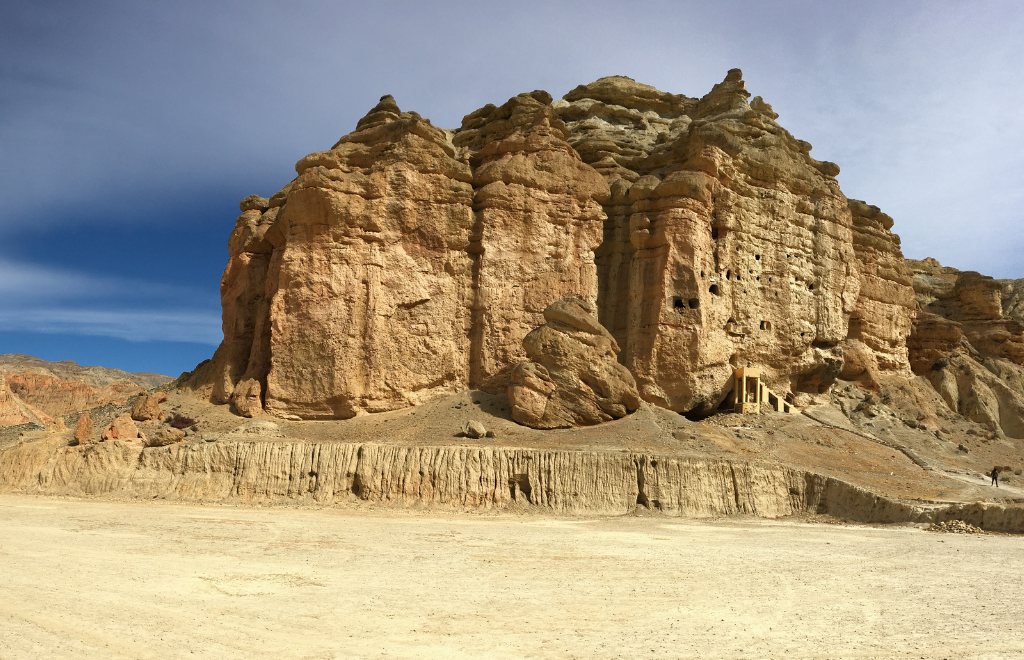
Upper Mustang lies in the rain shadow of the Annapurna and Dhaulagiri ranges, creating a rare trans-Himalayan environment unlike the lush trekking regions of Nepal. Instead of forests and glaciers, the landscape opens into vast, arid plateaus, sculpted cliffs, and wind-carved canyons that resemble a high-altitude desert. Geographically, the region stretches north of Kagbeni toward the Tibetan border, with elevations ranging from around 2,800 meters to over 4,500 meters. The walled capital of Lo Manthang sits at approximately 4,300 meters, forming the cultural and historical heart of the former Kingdom of Mustang. The Kali Gandaki River, one of the world’s deepest gorges, cuts through the Mustang region, carrying sacred Shaligram fossils that define its spiritual identity. Despite its remoteness, Upper Mustang is becoming increasingly accessible, with improved lodges, communication networks, and flexible trekking options without losing the isolation that makes it so compelling.
Reasons to Trek Upper Mustang in Nepal
1. The Loba Tribe Culture: A Living Himalayan Civilization
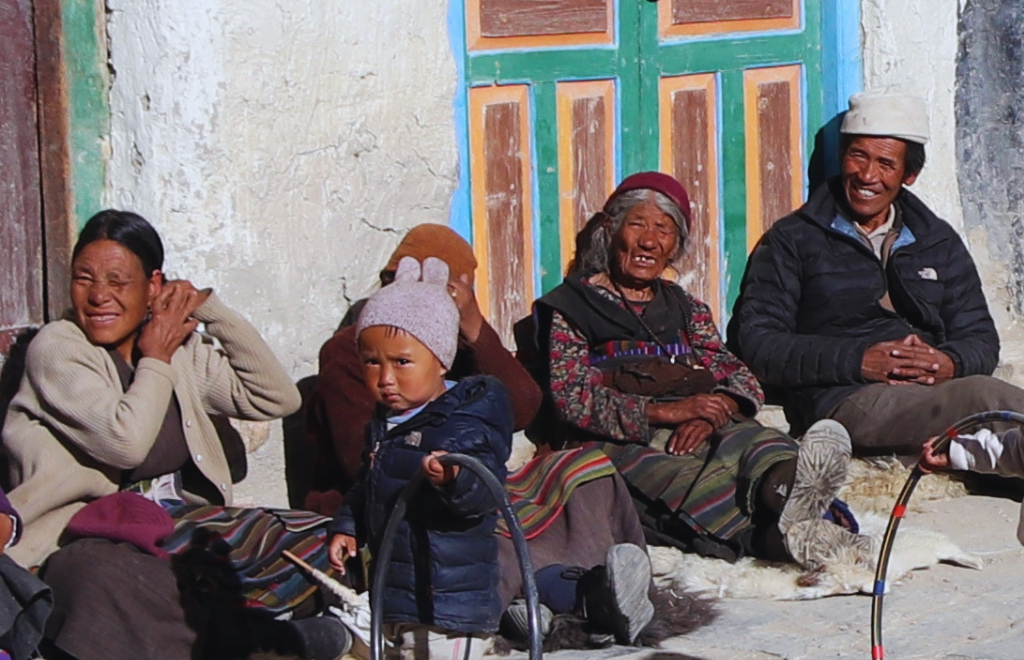
At the heart of Upper Mustang are the Loba (or Lowa) people, whose cultural roots trace back to Tibetan traditions established as early as the 8th century. What makes Mustang extraordinary is not just preservation but continuity. Life here is structured around seasonal rhythms and spiritual observances. Four key festivals, Gine, Gensu, Gelung, and Nayuene, mark agricultural cycles, communal blessings, and protective rituals. These are not staged performances; they are community events in which monks, families, and elders actively participate. Visitors are welcomed with quiet dignity. You may witness prayer ceremonies, village gatherings, or monastery rituals not as a spectator, but as someone respectfully present. This is culture not curated for tourism, but lived daily in homes, fields, and sacred spaces.
2. The 2026 Restricted Area Permit Update for Upper Mustang
Upper Mustang remains a restricted region, and access is regulated through a Restricted Area Permit. Current understanding places the fee at approximately USD $50 per day, maintaining its exclusivity while supporting regional conservation and infrastructure. What makes the upcoming years particularly compelling is a shift toward more flexible trekking formats. Smaller groups and potentially even solo trekkers with a mandatory licensed guide are now being accommodated, allowing for shorter, more personalized itineraries. This evolution opens the door to curated experiences: cultural deep-dives, festival-focused journeys, and hybrid trekking-riding expeditions.
Note: If you want to learn about Upper Mustang permits and how they work, please click on the blog link below.
3. Ancient Gompas & the Spiritual Architecture of Mustang
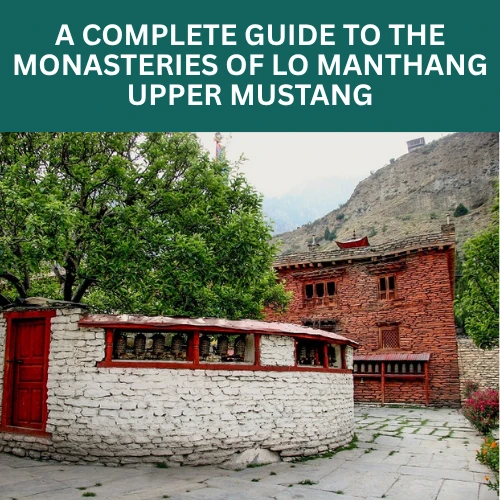
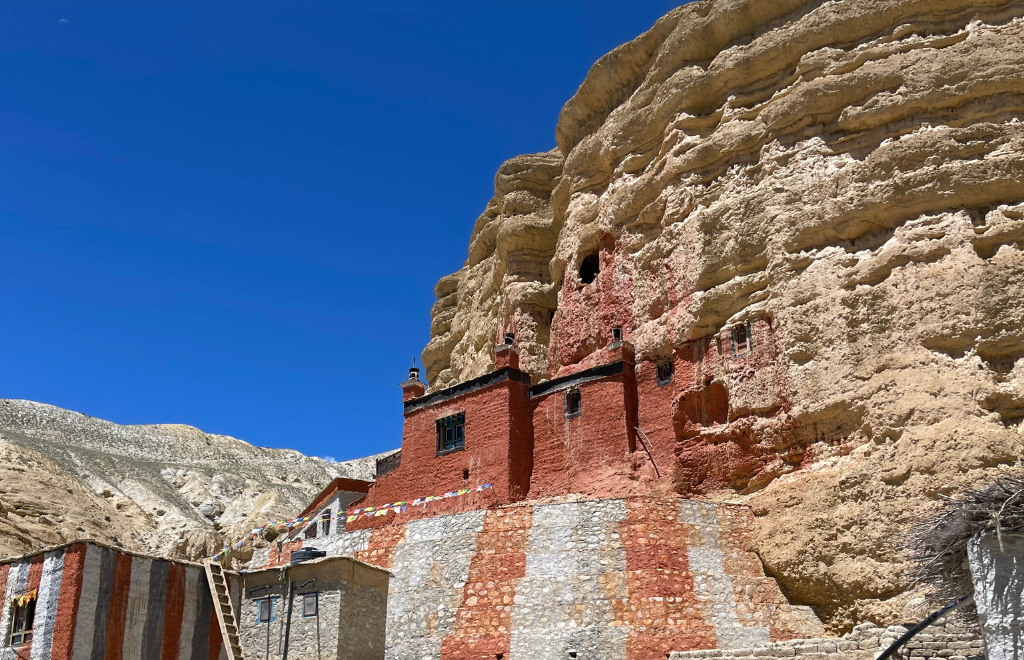
Upper Mustang’s monasteries are among the most significant in the Himalaya, living centers of faith that continue to guide daily life. At the heart of this legacy is Ghar Gompa (Lo Gekar), often cited as one of the oldest monasteries in the region, dating back to the 8th century and associated with Guru Rinpoche (Padmasambhava). Its ancient murals and enduring legends make it a powerful pilgrimage site. Inside Lo Manthang, two monasteries stand out. Jampa Lhakhang (14th century) houses a towering statue of Maitreya and is renowned for its 109 mandalas, offering a visual expression of Buddhist cosmology. Nearby, Thubchen Gompa (15th century) is a grand assembly hall supported by massive wooden pillars and adorned with restored murals of Buddhas and Bodhisattvas. Beyond the capital, Luri Gompa, a 14th-century cave monastery near Yara, reveals Mustang’s deeper spiritual roots. Hidden within sandstone cliffs, it contains a central chorten and rare wall paintings influenced by early Himalayan artistic traditions. Other sacred sites, such as Chungsi Cave, believed to be a meditation site of Guru Rinpoche, and Namgyal Gompa, perched above Lo Manthang, continue to draw pilgrims and locals alike. Together, these gompas are not just monuments; they form a living spiritual network that defines Upper Mustang’s identity.
4. Lo Manthang: The Last Walled Himalayan City
Founded in 1380 by King Ame Pal, Lo Manthang stands as one of the last intact walled cities in the Himalaya. Sitting at approximately 4,300 meters, it rises from the plateau like a mirage, its whitewashed walls enclosing a compact world of narrow alleys, monasteries, and royal heritage. At its center lies the Monkhar Palace, once the seat of the Mustang kings. Around it, mud-brick homes cluster tightly, forming a settlement that has changed little in structure over centuries. What surprises many visitors is the artistry within. Inside the city’s monasteries, mural paintings depict subtropical imagery, palm trees, flowing textiles, and lush forms created by artists who likely never left this high-altitude desert. Lo Manthang is not frozen in time. Children attend school, monks debate philosophy, and families maintain traditions. It is both ancient and presents an architectural and cultural paradox that few places on earth can offer.
5. Tiji Festival & Yartung Horse Racing of Upper Mustang
Upper Mustang’s cultural calendar is anchored by two defining festivals, each revealing a different dimension of life. The Tiji Festival, held from May 13th to 15th, 2026, unfolds over three days within the walls of Lo Manthang. Through masked dances and ritual performances, monks reenact the legend of Dorje Jono, a warrior deity who defeated a destructive demon to save the kingdom from drought. The festival is solemn, symbolic, and deeply spiritual. In contrast, the Yartung Festival, celebrated from August 17th to 19th, is vibrant and communal. Timed with the full moon, it features thrilling horse racing across the plateau, lively music, and festive gatherings marking the end of summer. Together, these festivals capture the dual nature of Mustang: devotion and joy, ritual and celebration. Planning your trek around one of them transforms a scenic journey into a profoundly immersive cultural experience.
6. Pilgrimage to Muktinath & Damodar Kunda in Mustang Region
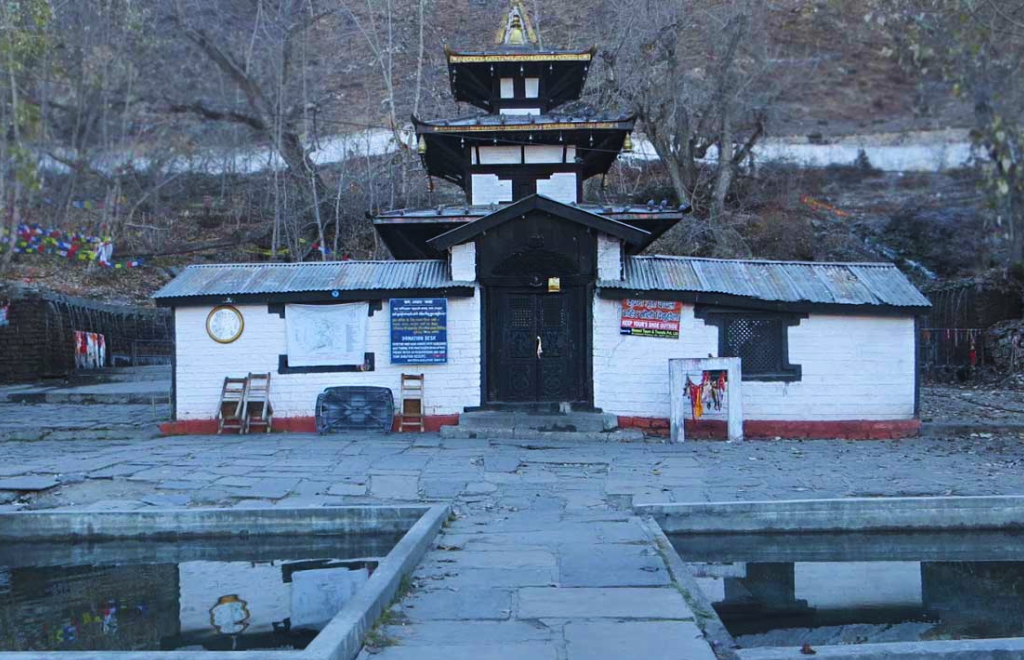
Upper Mustang is not only a trekking destination, but it is also full of sacred sites. Muktinath Temple, at approximately 3,800 meters, is known as the Mukti Kshetra, the “Field of Liberation.” Revered by both Hindus and Buddhists, it features an eternal flame fueled by natural gas and 108 water spouts under which pilgrims bathe in ritual purification. Further north lies Damodar Kunda, at around 4,890 meters. Reaching it requires commitment, but for pilgrims, the reward is spiritual cleansing by bathing in its icy waters during auspicious times, which is believed to wash away sin. Throughout the journey, the Kali Gandaki Valley reveals Shaligram fossils that are sacred ammonite stones considered manifestations of Vishnu. Pilgrims carry them as divine relics, connecting geology with theology in a uniquely Himalayan way. Upper Mustang is a landscape where belief is embedded in the terrain itself.
7 Horseback Ride in Mustang: The Original Trade Routes
Long before trekking routes were mapped, Upper Mustang was traversed on horseback by traders moving salt, wool, and grain between Tibet and Nepal. Riding from Jomsom toward Lo Manthang, you follow these historic corridors, passing through villages like Tsaile and Drakmar. The terrain opens wide, with views of Dhaulagiri 8167m, Nilgiri, Thorong peak, and Saribung peak framing the horizon. This is not an added activity; it is a continuation of tradition. Horses remain integral to daily life, used for transport, trade, and herding. For travelers, horseback riding offers both comfort and cultural authenticity. It allows you to cover greater distances while experiencing the rhythm of Mustang as it has been for generations.
8. Mountain Biking the Kali Gandaki Valley
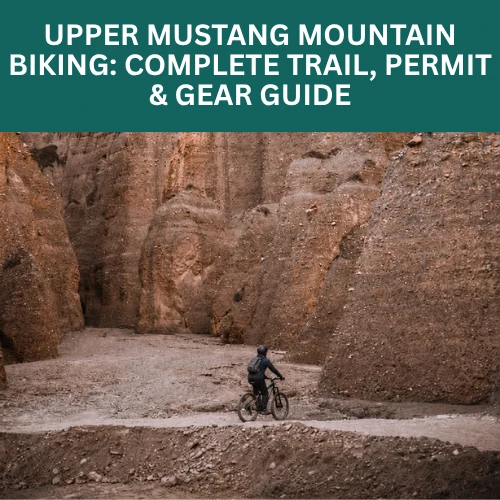
For those seeking a more dynamic journey, Upper Mustang offers one of the most visually striking cycling routes in the world. The Kali Gandaki Valley cuts between Annapurna and Dhaulagiri, forming the world’s deepest gorge. Its terrain, which is rocky, wind-swept, yet often gently graded, makes it accessible to riders with moderate fitness. Cycling here is not about speed, but immersion. Each turn reveals shifting colors of ochre cliffs, grey riverbeds, and cobalt skies. The journey south concludes with a reward: soaking in the Tatopani hot springs, where mineral-rich waters ease tired muscles. It is an alternative path through Mustang's active, engaging, and deeply scenic.
9. The Gateway Settlements: Marpha, Kagbeni & Jomsom
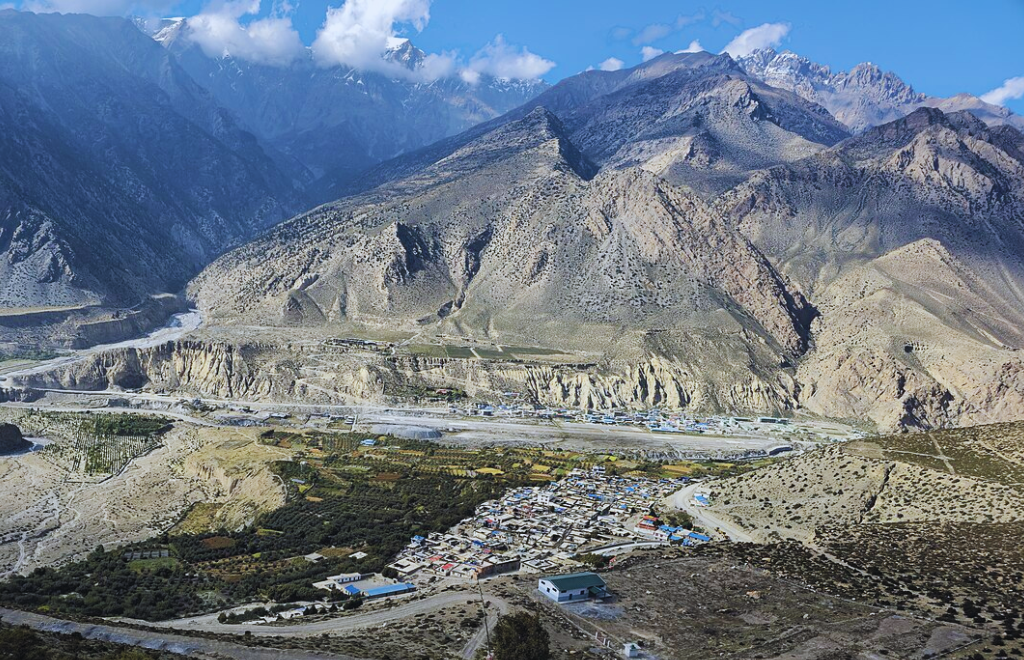
Before entering Upper Mustang, three settlements introduce the region, each with its own unique character and importance.
- Marpha is known for its immaculate whitewashed houses and apple orchards. Its narrow, covered lanes protect against wind, while local distilleries produce cider and brandy.
- Kagbeni serves as the historic gateway, a medieval village where ancient trade routes converge. Its crumbling dzong overlooks the Kali Gandaki, evoking a sense of frontier passage.
- Jomsom, by contrast, is a modern hub home to the region’s airport and administrative center.
Together, these towns create a progression from cultivated village to border outpost to logistical base, each one preparing you for what lies beyond.
10. Trekking the Trans-Himalayan Plateaus
Above the tree line, Upper Mustang reveals its most defining feature: the trans-Himalayan plateau. This is a landscape of vast openness, wind-carved cliffs, layered rock formations, and a sky that feels impossibly close. At over 4,000 meters, the light sharpens, colors intensify, and silence deepens. Few travelers are prepared for the psychological effect. The scale is humbling; the stillness, profound. Yet 2026 brings a subtle shift. Many lodges now offer Starlink connectivity, and a growing number of boutique guesthouses in Lo Manthang provide comfort without compromising authenticity. It is still wilderness, but one that has evolved just enough to welcome those who seek it.
Why A1 Excursion for Upper Mustang
Trekking in Upper Mustang requires more than just logistics; it demands local insight and expertise. With over a decade of experience in the region, A1 Excursion Adventure brings a level of familiarity that truly transforms your journey. Our guides, licensed by the Nepal Tourism Board and seasoned through multiple Mustang expeditions, act not just as navigators but as cultural interpreters while bridging language, history, and local relationships.
We also take care of the entire permit process for you, ensuring all required documents are handled smoothly and efficiently. From permits to accommodation, transportation, and daily logistics, our team manages every detail so you can focus fully on the experience.
Your Next Step into Upper Mustang
If you’re ready to experience one of the last remaining authentic Himalayan cultures here in Nepal, this journey is for you. At A1 Excursion Adventure, we offer carefully curated Upper Mustang trekking packages tailored to suit every type of traveler. Our offerings include:
- Upper Mustang Classic Trek – 18 Days
- Short Upper Mustang Trek
- Tiji Festival in Mustang 2026
- Upper Mustang 10-Day Jeep Tour
Each package comes with full permit support, licensed guides, and seamless logistics, letting you explore Mustang safely, sustainably, and in style. Upper Mustang is waiting quietly, expansive, and still largely undiscovered by mass tourism. The only question is how you choose to arrive.
Final Thoughts on Upper Mustang
Among the top reasons to trek Upper Mustang is that it remains one of the last places where culture, landscape, and history exist in perfect harmony. From the living traditions of the Loba people to the vast trans-Himalayan plateaus and the timeless streets of Lo Manthang, every step of this journey offers more than breathtaking scenery; it offers a perspective you’ll never forget.
If you’re ready to explore Upper Mustang the right way, A1 Excursion Adventure is here to make it effortless. With full permit support, licensed guides, and seamless logistics, you can focus on the adventure while we handle all the details.Contact us today to plan your trek to Upper Mustang, Nepal’s most extraordinary region.
Frequently Asked Questions (FAQs)
1. Is it possible to trek Upper Mustang solo in 2026?
While Nepal's restricted area rules have become more flexible, a licensed guide is still mandatory. As of 2026, the "two-person minimum" rule for the permit has been relaxed in some cases, allowing individual travelers to obtain a permit, but you must still be accompanied by a professional guide and book through a registered agency like A1 Excursion.
2. How much does the Upper Mustang permit cost now?
The Restricted Area Permit (RAP) remains at USD $50 per person per day. You will also need the Annapurna Conservation Area Project (ACAP) permit, which is roughly USD $30.
3. What are the exact dates for the Tiji Festival in 2026?
The Tiji Festival is scheduled to take place from May 13th to May 15th, 2026. Because this festival follows the Tibetan lunar calendar, dates change every year. It is highly recommended to book your tea house in Lo Manthang at least 6 months in advance, as they fill up completely during this window.
4. Can I do the Upper Mustang trek during the summer (monsoon) months?
Yes! This is one of the few treks in Nepal that is actually better during the monsoon (June–August). Since Upper Mustang lies in the rain shadow of the Annapurna and Dhaulagiri ranges, it stays dry while the rest of Nepal experiences heavy rain. The landscape is also surprisingly vibrant during this time.
5. What is the internet and electricity situation like on the trail?
Connectivity has improved significantly. Most tea houses in larger villages like Kagbeni, Charang, and Lo Manthang now offer Starlink Wi-Fi (usually for a small fee of $3–$5). Electricity for charging cameras and phones is widely available via solar or local hydro-power, though carrying a power bank is still a smart "insider" move for the more remote stops.
6. Can I drive my own car or jeep to Upper Mustang?
Yes, it is possible to drive to Upper Mustang, but self-driving is not recommended or typically permitted without proper arrangements. The region is a restricted area, which means you must obtain a special permit and be accompanied by a licensed guide. Most travelers choose to hire a local jeep with an experienced driver who understands the rugged terrain and permit requirements. This ensures both safety and compliance with regulations.
7. When is the best time to visit Upper Mustang?
The best time to visit Upper Mustang is from May to October. Unlike other regions of Nepal, Mustang lies in a rain shadow, making it ideal even during the monsoon season. May is especially popular due to the Tiji Festival, while August offers the vibrant Yartung Festival. Spring and early autumn provide the best combination of clear skies, cultural events, and comfortable trekking conditions.

Raj Thapa
Call us on WhatsApp+977 9801048210OrChat with us
.webp)