Preparing for the Upper Mustang Trek starts with getting to know the region’s stunning landscapes and rich culture.
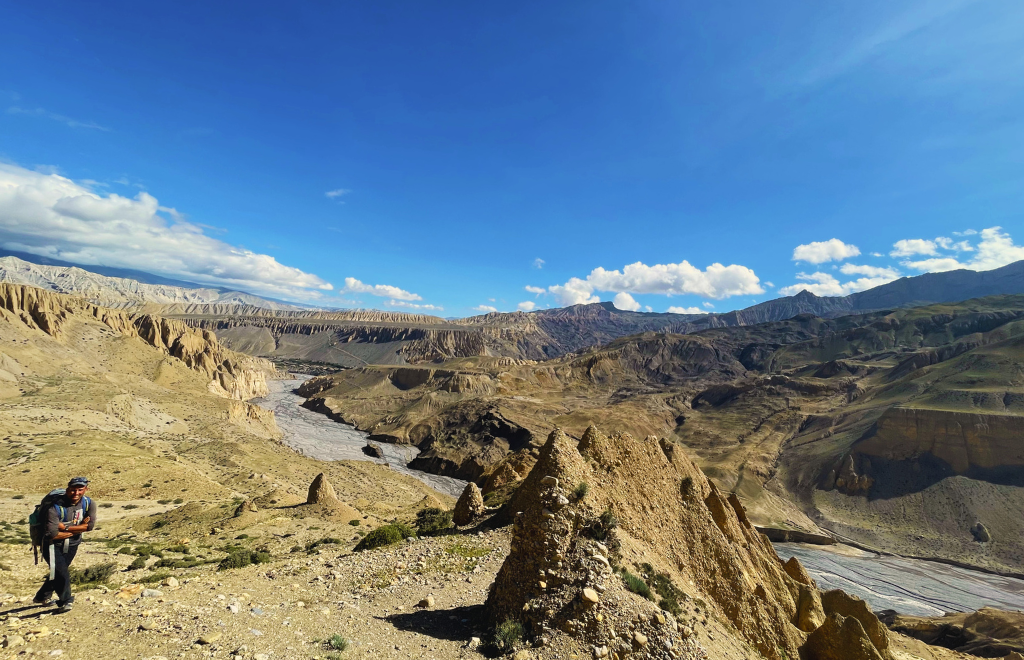
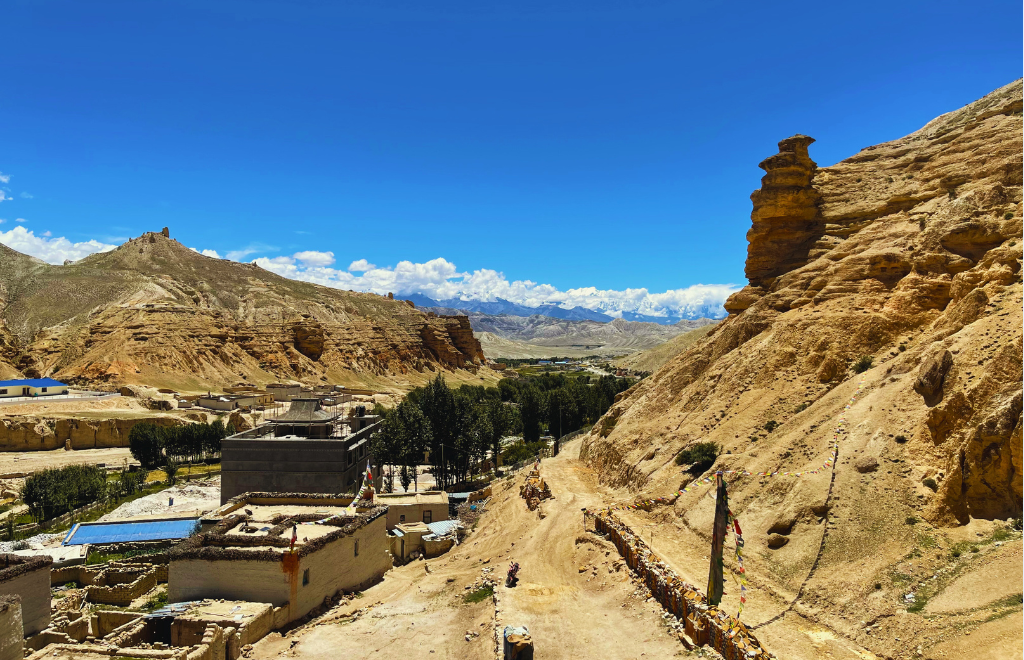
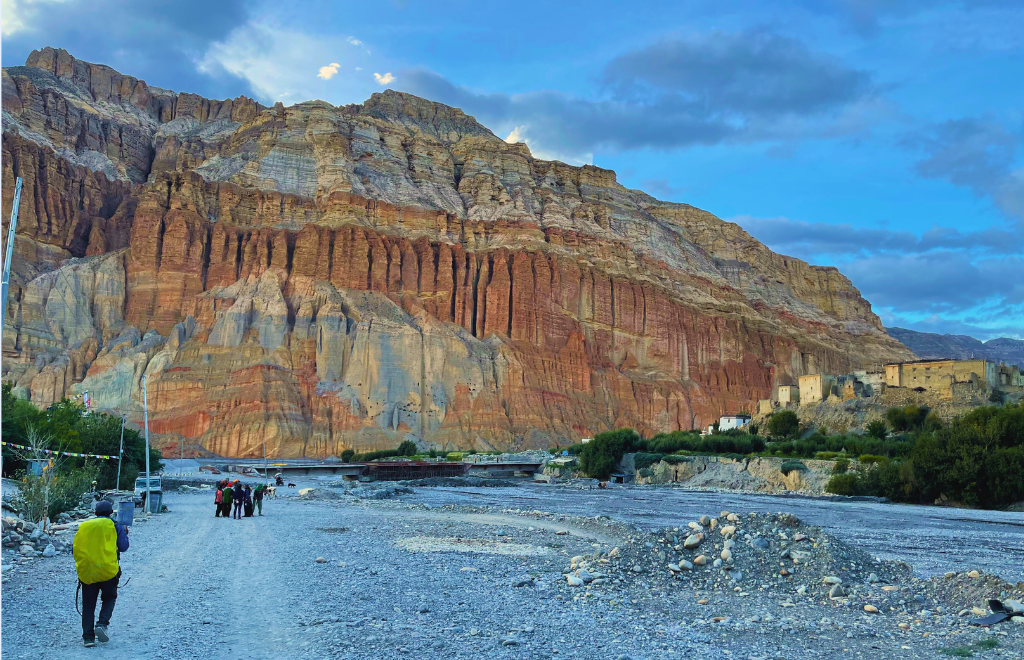
Located north of the Annapurna region, Upper Mustang sits at an average altitude of 4,000 meters and is both geologically and culturally part of the Tibetan Plateau. The landscape feels otherworldly with its dry valleys, dramatic rock formations, and ancient cave dwellings carved into cliffs. Closed to outsiders until 1992, the region still limits tourism, welcoming only about 700 trekkers annually, helping preserve its raw beauty and cultural authenticity.
Often referred to as the Kingdom of Lo, Upper Mustang has a deep-rooted equestrian tradition. While on this journey, trekkers pass through ancient monasteries, remote villages, and hidden caves that offer a rare insight into Tibetan Buddhist life.
But trekking in this remote Himalayan desert isn’t just about witnessing its beauty; it’s also about being prepared. Whether you're a novice or an experienced trekker, Upper Mustang demands thoughtful planning, proper permits, physical readiness, and the right gear. This guide covers everything you need, from fitness tips and packing essentials to permit details, for a successful and unforgettable journey into Nepal’s last forbidden kingdom.
Ready to explore the mystical Upper Mustang? Let the experts at A1 Excursion Adventure guide you through this once-in-a-lifetime experience. We offer tailor-made trek packages, including the Classic Upper Mustang Trek, Jeep Tours, and the Upper Mustang Tiji Festival Special Trek
Why Preparation for the Upper Mustang Trek Matters
The Upper Mustang Trek is unlike any other trekking experience in Nepal. Set in the arid, windswept landscapes of the Trans-Himalayan region, this remote trail challenges even seasoned adventurers. With elevations averaging around 4,000 meters, limited access to amenities, and unpredictable mountain weather, preparation becomes not just important, but critical. Unlike popular teahouse treks, the Upper Mustang route demands self-sufficiency, proper acclimatization, and strategic planning.
Want to learn more about Upper Mustang? Check out our in-depth blog below.
Upper Mustang Trek Packing List and Gear Essentials
The Upper Mustang Trek takes you through high-altitude desert terrain where shops are scarce and conditions can be harsh. Proper equipment ensures your safety, comfort, and enjoyment throughout the journey.
Clothing & Footwear for the Upper Mustang Trek
- Thermal base layers (top & bottom) – for cold nights
- Insulated jacket (fleece or down) – warmth on chilly trails
- Waterproof outer layer (jacket & pants) – essential for wind and rain
- 2–3 moisture-wicking shirts – keep sweat away
- 2 trekking pants – comfortable and breathable
- Warm hat + sun hat – for changing climates
- Neck gaiter or buff – dust protection and warmth
- Gloves (liner + insulated) – critical for cold mornings
- Quick-dry underwear & sports bras – daily comfort
Footwear
- Sturdy trekking boots (well broken-in)
- Camp shoes or sandals – for relaxing at the teahouse
- 4–5 pairs of wool socks – blister prevention
- Gaiters – optional, but helpful on dusty or muddy trails
Sleeping Gear & Trekking Essentials for High Altitude
- Four-season sleeping bag (rated -10°C or lower)
- Sleeping bag liner
- Sleeping pad (optional, if using teahouses)
- Headlamp + extra batteries – for power cuts and night use
Trekking Essentials for Upper Mustang
- Trekking poles – reduce knee strain on descents
- Daypack (20–30L) + rain cover – for your daily gear
- Duffel bag – carried by porters
- Water bottles/hydration bladder (2L min.)
- Water purification (tablets or filter) – crucial for safety
Toiletries & Personal Items
- Sunscreen (SPF 50+) + SPF lip balm
- Toothbrush and toothpaste
- Wet wipes + hand sanitizer
- Lightweight towel
- Tissue/toilet paper (rare on trails)
First Aid & Medication
- Diamox – for altitude sickness
- Ibuprofen or paracetamol – pain relief
- Antiseptic cream & blister plasters
- Personal medication
- Electrolyte powder – stay hydrated
Documents & Money
- Passport + photocopies
- Special permits (RAP & ACAP)
- Extra passport photos
- Sufficient cash (in NPR) – Limited ATMs along the route
Permits Required for the Upper Mustang Trek
Before lacing up, secure your access—no RAP, no trek. Trekking in the Upper Mustang falls under a restricted region, which means independent trekking is not allowed.
Here are the permits you'll need:
- Restricted Area Permit (RAP): USD 500 for 10 days, $50 for each additional day.
- Annapurna Conservation Area (ACAP) Permit: NPR 3,000 (approx. USD 25)
- TIMS Card: Not required for restricted areas if you have RAP.
Note: These must be applied for through a registered trekking agency in Nepal, like A1 Excursion Adventure. You’ll also need to trek with a licensed guide and a minimum of two trekkers.
Fitness Tips & Training Plan for Upper Mustang Trek Preparation
Now that permits are sorted, let’s get your body trek-ready. Although the trek is moderate in terms of difficulty and does not require mountaineering experience, the altitude and dry climate can take a toll. It’s essential to prepare physically.
Suggested Fitness Plan (Start 6 Weeks Before)
- Cardio (4x per week): Hiking, stair climbing, cycling, or jogging (45–60 mins)
- Strength Training (2–3x per week): Focus on legs, core, and shoulders (for backpack support)
- Hiking with Weight (1x per week): Practice walking with a 6–10kg backpack
Pro Tip: Factor in rest days in the itinerary and listen to your body. Avoid alcohol and hydrate well.
Best Time to Visit Upper Mustang for Trekking
Upper Mustang lies in the Trans-Himalayan region and falls under the rain shadow of the Annapurna and Dhaulagiri ranges. This unique geography makes it one of the few trekking destinations in Nepal where monsoon trekking is not only possible but ideal. Upper Mustang can be trekked year-round, but certain seasons offer optimal conditions:
- Spring (March–May): Enjoy clear skies, blooming wildflowers, and the vibrant Tiji Festival in Lo Manthang.
- Autumn (September–November): Crisp mountain views, dry trails, and stable weather conditions make for perfect trekking.
While winter and early spring are also feasible, expect colder temperatures and fewer services. Whether you're a cultural explorer or a high-altitude adventurer, Upper Mustang welcomes you in every season.
Food, Water & Accommodation on the Upper Mustang Trek
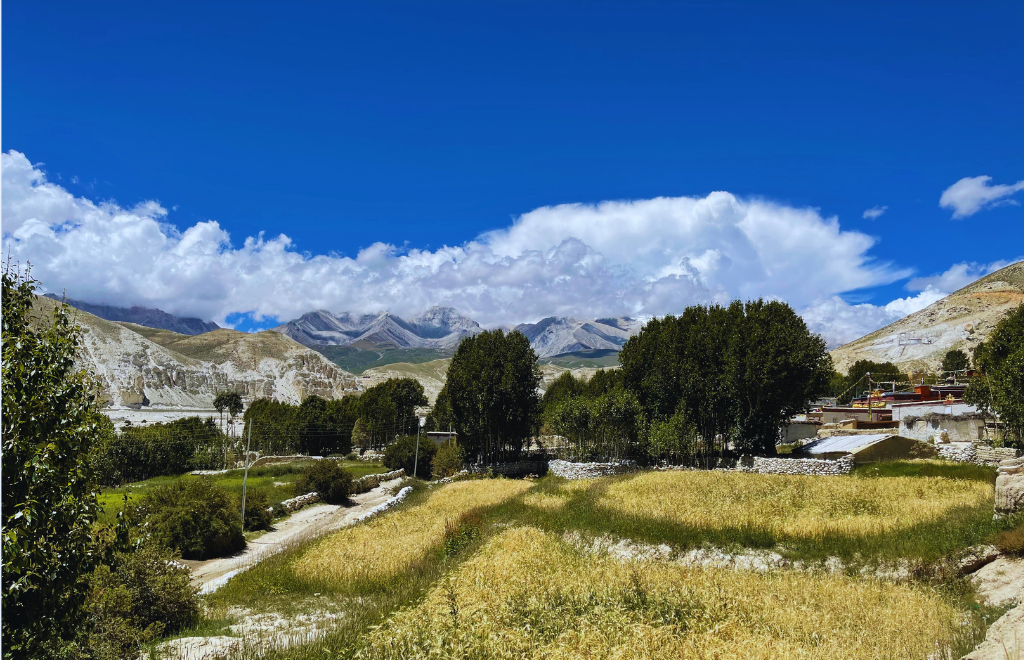
During the Upper Mustang Trek, accommodation is primarily in basic teahouses offering shared rooms with limited facilities. While the lodging is simple, it’s comfortable enough for trekkers seeking a remote Himalayan experience. Meals typically include dal bhat, noodle dishes, hearty soups, and Tibetan bread, with vegetarian and vegan options commonly available. Drinking water can be purchased in bottles along the trail, though prices increase with altitude. To reduce plastic waste and save money, trekkers are encouraged to carry purification tablets or portable water filters.
Safety Tips for the Upper Mustang Trek
Trekking in Upper Mustang is a remarkable adventure, but due to its remote location, high altitude, and harsh terrain, proper safety measures are essential for a safe and rewarding experience.
TIPS:
- Trek with a licensed guide and agency for safety, navigation, and emergency support.
- Acclimatize gradually to prevent altitude sickness and ensure a smooth ascent.
- Drink 3–4 liters of water daily and eat energy-rich meals, such as dal bhat and soups.
- Be weather-prepared with layered clothing for wind, sun, and cold conditions.
- Use strong sun protection like SPF 50+, sunglasses, and a wide-brim hat.
- Carry a power bank or solar charger due to limited electricity on the trail.
- Respect local customs and traditions, especially in monasteries and villages.
- Pack a personal first-aid kit with altitude medication, blister care, and essential items.
- Expect basic teahouse facilities and limited phone or internet connectivity.
- Use eco-friendly practices by avoiding plastic bottles and carrying your trash.
Best Upper Mustang Trekking Packages by A1 Excursion
At A1 Excursion Adventure, we provide well-curated Upper Mustang Trekking packages tailored for all types of travelers. Our packages include:
A1 Excursion Adventure offers fully customizable trekking experiences tailored to your interests and schedule. Whether you want to add cultural tours in Pokhara, rejuvenating yoga retreats, or spiritual excursions to Muktinath Temple, your itinerary can be personalized for a truly unique journey through Upper Mustang.
Final Thoughts
The Upper Mustang Trek offers more than a journey—it’s a rare chance to walk through history, spirituality, and raw Himalayan beauty. But to truly enjoy it, preparation is key. Pack thoughtfully, train consistently, secure your permits, and partner with a trusted local agency like A1 Excursion Adventure. This way, all you have to focus on is taking in the once-in-a-lifetime experience that is Upper Mustang.
Contact us today to begin your adventure in Upper Mustang here in Nepal.
Frequently Asked Questions (FAQs)
Is the Upper Mustang Trek suitable for beginners?
-Yes, beginners can do the Upper Mustang Trek if they are physically fit and prepare well. However, because of the altitude (up to 4,200m) and remote terrain, some prior trekking experience is recommended.
What permits do I need for the Upper Mustang Trek?
-You need two permits: the Restricted Area Permit (RAP) and the Annapurna Conservation Area Permit (ACAP). These can only be arranged through a registered trekking agency in Nepal.
How difficult is the Upper Mustang Trek?
-It’s considered moderate in difficulty. The trails are not extremely steep, but long walking days, high altitude, and dry climate make it more challenging than easy treks like Ghorepani or Poon Hill.
What’s the best time to trek in Upper Mustang?
-The best time is spring (March–May) for flowers and the Tiji Festival, and autumn (September–November) for clear skies and stable weather. Trekking is also possible during the monsoon, as Mustang lies in a rain shadow.
Is altitude sickness a concern in Upper Mustang?
-Yes. Since the trek reaches over 4,000 meters, acclimatization and hydration are crucial. It’s recommended to walk slowly, spend acclimatization days in Kagbeni or Tsarang, and carry Diamox if needed.
Can I trek Upper Mustang independently?
-No, independent trekking is not allowed. You must trek with a registered guide and at least one other person, booked through a licensed trekking agency.
How many days does the Upper Mustang Trek take?
-The trek usually takes 10 to 18 days, depending on your route and pace. Popular options include the 10-day Jeep Tour, 14-day Short Upper Mustang Trek, or 18-day Classic Upper Mustang Trek.
What type of accommodation and food is available?
-Teahouses provide basic rooms with shared facilities. Meals are simple but filling, including dal bhat, noodles, soups, and Tibetan bread. Vegetarian and vegan options are usually available.
Is there Wi-Fi or phone signal in Upper Mustang?
-Connectivity is limited. Some teahouses in major villages like Kagbeni or Lo Manthang may offer Wi-Fi for a fee, but trekkers should expect minimal internet or phone access.
What makes the Upper Mustang Trek unique?
-Its Tibetan culture, ancient monasteries, desert-like landscapes, cave dwellings, and the walled city of Lo Manthang make it one of Nepal’s most culturally rich and exclusive trekking experiences.


.webp)