What Is Chhath Parva?
Chhath Parva, also known as Chhath Puja or Chhath, is a Hindu festival dedicated primarily to the worship of the Sun God, Surya. Devotees express gratitude for sunlight, which supports life, agriculture, and the natural environment. They also pray to Chhathi Maiya for the well-being, prosperity, and long life of their families. The festival has deep roots in the Mithila region and the southern plains of Nepal, where it remains an important cultural and religious occasion. It is especially significant in Madhesh Province, including districts such as Dhanusha, Mahottari, Sarlahi, and surrounding areas.
The name Chhath is associated with the sixth lunar day, Shashthi, when the main evening worship takes place. Although the festival is particularly associated with the Terai, migration and changing communities have helped make it increasingly visible in Kathmandu Valley and other urban areas. One distinctive feature of Chhath is the worship of both the setting and rising sun. While many people associate prayer with sunrise, Chhath devotees also offer arghya, a ritual offering of water and other items, to the sun at sunset. The practice reflects gratitude for the full cycle of the day and the life-giving energy of nature.
When Is Chhath Celebrated in Nepal?
Chhath is observed during the Nepali month of Kartik, generally in October or November. The dates follow the lunar calendar, so they change each year. In 2026, Chhath falls in mid-November, with the main evening offering expected on 15 November 2026 and the concluding morning offering on 16 November 2026. Local observance and official holiday calendars should be checked before finalising travel arrangements.
The celebration traditionally follows four days of rituals, each with its own meaning and practices.
The Four Days of Chhath Celebration in Nepal
1. Nahay Khay: Purification and Preparation
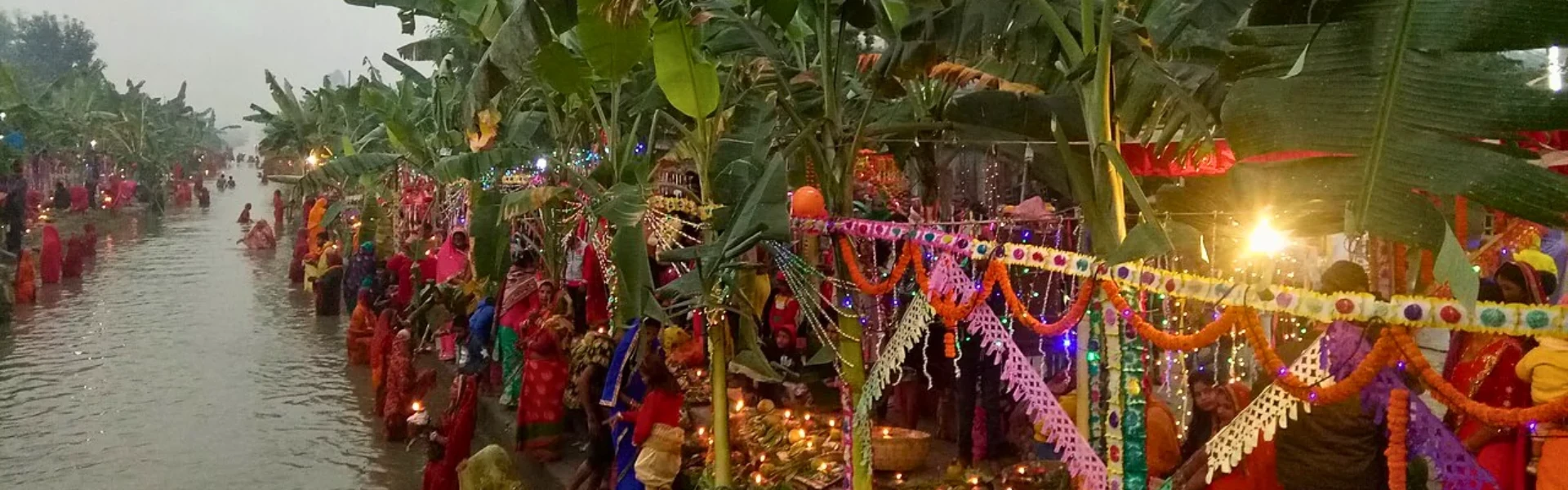
Nahay Khay marks the beginning of Chhath. On this day, devotees clean their homes and prepare the spaces where the festival offerings will be made. They take a ritual bath, often at a river or another suitable water source, and prepare a simple meal using carefully selected ingredients. Cleanliness is an essential part of the observance. Families pay close attention to the preparation of food and the utensils used for the rituals. The meal is traditionally simple, and the day helps devotees prepare physically and spiritually for the fasting and worship that follow. In many communities, preparations extend beyond individual homes. Families and local volunteers help clean riverbanks, ponds, and public spaces where devotees will gather.
These activities demonstrate how Chhath involves both personal devotion and collective responsibility.
2. Kharna: Fasting and Prayer
The second day is known as Kharna. Devotees observe a fast during the day and perform their evening rituals before ending it with a simple meal. Traditional foods may include kheer, a rice pudding prepared with milk and rice, and roti. The food is prepared with care and offered as part of the worship before being shared according to family and community traditions. After Kharna, many devotees begin a more demanding period of fasting that continues through the principal evening and morning offerings. Some observe a strict fast without water, although practices can differ among individuals and households. Kharna is a time for prayer, discipline, and preparation. Families organise the offerings, prepare traditional foods, and make arrangements for the following day's gathering at a riverbank or pond.
3. Sandhya Arghya: Worshipping the Setting Sun
Sandhya Arghya is one of the central moments of the Chhath celebration. In the late afternoon, devotees carry baskets filled with offerings to designated riverbanks, ponds, and other water bodies. The offerings often include fruits, sugarcane, coconuts, thekua, and other traditional foods. Bamboo baskets and trays are commonly used to arrange the items. As sunset approaches, devotees enter the water, often standing waist-deep, and offer prayers to the setting sun. The atmosphere becomes especially meaningful as families gather, traditional songs are sung, and lamps illuminate the surrounding area. The combination of prayer, natural light, and community participation gives the festival its distinctive character.
In Janakpur, sacred ponds such as Ganga Sagar and Dhanush Sagar are important gathering places. In Kathmandu, devotees assemble at selected riverbanks and ponds, including areas along the Bagmati River.
For visitors, this is an opportunity to observe a significant religious tradition. However, the ritual areas should be treated with respect, and visitors should avoid interrupting prayers or entering spaces reserved for devotees.
4. Usha Arghya: Welcoming the Rising Sun
The fourth and final day begins before sunrise. Devotees return to the water with their offerings and wait for the first light of morning.
As the sun rises, they offer arghya and prayers, expressing gratitude and seeking blessings for their families. This morning ritual completes the main sequence of Chhath worship. After the prayers, devotees conclude their fast according to their traditions. Offerings are distributed among family members, relatives, friends, and other participants. The final morning is an important moment of relief and celebration after several days of discipline. It also reinforces the festival's central message: gratitude for life, respect for nature, and care for family and community.
Best Places to Experience Chhath Celebration in Nepal
Chhath is celebrated across many parts of Nepal, but some destinations are particularly known for their gatherings and cultural significance.
Janakpur: The Cultural Heart of Chhath
Janakpur, in Dhanusha District of Madhesh Province, is one of the most recognised places to experience Chhath in Nepal. Known for its connection to Mithila culture and the Ramayana tradition, the city attracts large numbers of devotees during the festival. Ganga Sagar and Dhanush Sagar are among the important ponds where worshippers gather for the evening and morning rituals. During Chhath, the surroundings are prepared for the occasion, and families arrive carrying traditional offerings. The city also provides opportunities to explore Mithila art, local cuisine, traditional architecture, and the famous Janaki Temple. Travellers can plan additional sightseeing around the festival while allowing sufficient time for the main rituals.
For anyone interested in the cultural heritage of the Madhesh region, Janakpur offers a meaningful setting to understand the relationship between religious practice, local identity, and community life.
Kathmandu Valley: Chhath Along the Bagmati River
Although Chhath is historically associated with the Terai, it has become an important public celebration in Kathmandu Valley. Many families with roots in Madhesh and the Mithila region continue their traditions in the capital, while other communities have also become familiar with the festival. Riverbanks along the Bagmati and designated ponds and ghats become gathering places during the main rituals. The celebrations reflect Kathmandu's diverse population and the way cultural traditions adapt as people move between regions.
For travellers staying in the capital, attending a public Chhath gathering can be a convenient way to observe the festival without travelling far from the city. Visitors should confirm the designated worship locations and local arrangements for the year.
Birgunj and Other Terai Towns
Birgunj and other towns across the Terai also observe Chhath with strong community participation. Local rivers, ponds, and designated worship areas become centres of activity as families prepare offerings and gather for the sunset and sunrise rituals. The exact atmosphere and arrangements differ from one place to another. Some communities organise public decorations and cultural programmes, while others focus on family-based observances and traditional worship.
Travelling through the Terai during the festival can help visitors appreciate the cultural diversity of Nepal's southern plains and the importance of local traditions in everyday life.
Traditional Foods and Offerings During Chhath
Food plays an important role in Chhath, not only as an offering to the Sun God but also as a way of preserving family recipes and cultural traditions.
Some of the most common offerings include:
- Thekua: A traditional sweet made from wheat flour, sugar or jaggery, and ghee. It is one of the most recognisable foods associated with Chhath.
- Fruits: Bananas, coconuts, apples, and other seasonal fruits are arranged in offering baskets.
- Sugarcane: Often included in the offerings and decorations at the worship site.
- Kheer: A rice pudding prepared during Kharna and shared according to household traditions.
- Roti and other homemade foods: Prepared with care for the rituals and family observances.
Offerings are commonly arranged in bamboo baskets known as daura and soop. Their preparation is an important part of the festival, bringing family members together before the main rituals begin. Traditional foods are generally prepared according to specific household and community practices. Cleanliness and respect for the religious significance of the offerings are central to the process.
The Cultural Significance of Chhath in Nepal
The importance of Chhath extends beyond its religious rituals. The festival brings families together, strengthens community relationships, and preserves cultural practices passed down through generations.
A Festival of Gratitude to Nature
Chhath recognises the Sun as a source of life and energy. Through prayers offered at sunset and sunrise, devotees express gratitude for the natural resources that sustain human life. The festival also highlights the importance of water. Rivers, ponds, and other water bodies provide the setting for the main rituals, making their cleanliness and protection especially relevant during the celebration.
Family Traditions and Community Participation
Chhath often involves the participation of entire families. While devotees undertake the main fasts and prayers, relatives and neighbours help prepare food, arrange offerings, clean worship areas, and accompany worshippers to the water. These shared responsibilities create a strong sense of belonging. Younger generations also learn about traditional songs, foods, rituals, and cultural values through their participation.
Preserving Mithila and Madhesh Heritage
Chhath is closely connected to the cultural traditions of Mithila and Madhesh. Maithili, Bhojpuri, and other regional languages can be heard in traditional songs associated with the festival. These songs express devotion, family relationships, hopes, and everyday experiences. The festival therefore provides an important setting for keeping regional languages and oral traditions alive. As Chhath celebrations continue to grow in Kathmandu and other parts of Nepal, the festival also helps introduce these cultural traditions to people from different backgrounds.
How Travellers Can Experience Chhath Respectfully
Chhath can be a meaningful cultural experience for visitors who want to understand Nepal beyond its popular sightseeing destinations. However, it is first and foremost a religious observance, so respectful behaviour is essential.
Here are a few practical tips for travellers:
- Plan your visit early. Popular locations such as Janakpur's sacred ponds can become crowded during the main rituals. Arrange transport and accommodation in advance, especially if travelling with family.
- Arrive before sunset. Reaching the worship area early allows you to find a suitable public viewing location without disturbing the preparations. The sunrise ritual also requires an early start.
- Dress modestly. Choose clothing that is comfortable and respectful of the religious setting. Follow any instructions provided by local organisers.
- Ask before taking photographs. Public celebrations offer many opportunities to observe local traditions, but not everyone may want to be photographed. Always seek permission for close-up photographs of devotees and their offerings.
- Respect fasting and prayer areas. Do not touch offering baskets, walk through designated ritual spaces, or interrupt prayers. Follow local instructions about where visitors may stand.
- Help keep the surroundings clean. Avoid littering and dispose of waste properly. Since water bodies are central to Chhath, protecting them is an important way to respect the festival.
- Check local arrangements. Traffic restrictions, access to worship areas, and public facilities can change from year to year. Confirm current arrangements before travelling.
With thoughtful planning, visitors can observe the festival while respecting the beliefs and practices of the people celebrating it.
Explore Nepal's Cultural Heritage with A1 Excursion Adventure
Nepal offers much more than mountain adventures. Its festivals, historic towns, local communities, and regional traditions provide travellers with different ways to understand the country. For those planning to experience Chhath, A1 Excursion Adventure can help with travel planning and arrangements suited to the chosen destination. A visit to Janakpur, for example, can be combined with time to explore the Janaki Temple, Mithila heritage, traditional architecture, and local food.
Travellers already visiting Kathmandu can also explore cultural landmarks in the valley and learn more about the communities that make the capital so diverse. Depending on the itinerary, a wider Nepal journey may include heritage sites, scenic road trips, or other destinations that complement a festival visit. Because Chhath dates follow the lunar calendar, it is advisable to confirm the festival schedule before finalising transport and accommodation. Planning is especially useful for travellers who want to attend both the evening and morning rituals.
A1 Excursion Adventure encourages travellers to discover Nepal with an appreciation for its local cultures, traditions, and communities. Experiencing a festival respectfully can add a deeper cultural dimension to a visit.
Conclusion
The Chhath celebration in Nepal is a powerful expression of faith, gratitude, and community spirit. Through four days of purification, fasting, traditional food preparation, and prayers to the setting and rising sun, devotees honour the natural forces that sustain life and seek blessings for their families.
From the sacred ponds of Janakpur to the riverbanks of Kathmandu and the gathering places of the wider Terai, Chhath reflects the cultural richness of Nepal. Its continued observance also demonstrates how traditions can remain strong while reaching new communities and generations.
For travellers, the festival offers an opportunity to learn about the country's religious practices, regional heritage, and everyday community life. With thoughtful planning and respect for local customs, Chhath can become a memorable part of a wider journey through Nepal.
Plan your cultural journey with A1 Excursion Adventure and discover the traditions, destinations, and experiences that make Nepal unique.
Frequently Asked Questions (FAQs)
1. What is Chhath celebrated for in Nepal?
Chhath is celebrated to worship the Sun God, Surya, and Chhathi Maiya. Devotees express gratitude for life and pray for health, prosperity, and the well-being of their families.
2. How many days is Chhath celebrated?
Chhath is traditionally observed over four days: Nahay Khay, Kharna, Sandhya Arghya, and Usha Arghya. Each day has its own rituals and significance.
3. When is Chhath in Nepal in 2026?
The main evening worship is on 15 November 2026, followed by the concluding morning worship on 16 November. Travellers should confirm local schedules before making arrangements.
4. Where is Chhath celebrated in Nepal?
Chhath is widely celebrated in Janakpur, Birgunj, and other towns in the Terai. It is also observed in Kathmandu Valley, including at designated riverbanks and ponds.
5. What foods are offered during Chhath Puja?
Common offerings include thekua, bananas, coconuts, sugarcane, and other fruits. Kheer and roti are also associated with the festival, particularly during Kharna.
6. Can tourists watch Chhath celebrations in Nepal?
Yes. Visitors can observe public celebrations where access is permitted. They should dress respectfully, ask permission before taking close-up photographs, and avoid disturbing worshippers or touching their offerings.
7. Why is the setting sun worshipped during Chhath?
Devotees offer prayers to the setting sun as part of the festival's traditional worship, followed by prayers to the rising sun the next morning. These rituals express gratitude and devotion to the Sun God.
8. Can Chhath be included in a Nepal travel itinerary?
Yes. Travellers can plan a visit around Chhath in destinations such as Janakpur or Kathmandu. Booking transport and accommodation early is recommended because popular worship areas can become crowded during the festival.