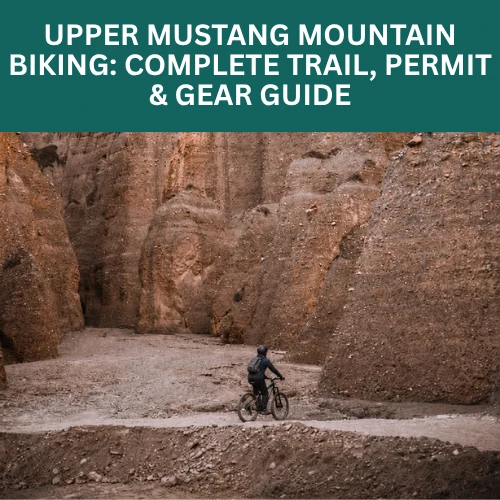
Understanding the 2026 Political Landscape of Nepal
The 2026 elections have amplified a structural shift that began building momentum after the 2025 Gen Z movement. The Rastriya Swatantra Party (RSP) and a reformist Nepali Congress leadership have moved the platform toward pragmatic federalism and economic modernization.
What does this mean for travelers? It means that for the first time in a generation, Nepal’s political parties share a common agenda: economic growth through tourism. The mountains have always been there; the governance framework to match them is finally catching up.
Why Stable Governance is the Ultimate “Green Flag” for Travelers
Stable governance is, quite literally, a safety feature for adventure travelers. When governments maintain consistent policy, we see:
- Road and Trail Investment: Multi-year, coordinated projects rather than temporary fixes.
- Aviation Safety: The Civil Aviation Authority is operating under sustained, professional leadership.
- Digitalization: Faster processing of trekking permits and hotel licensing.
Trek Safety and Logistics During the Election Transition of Nepal
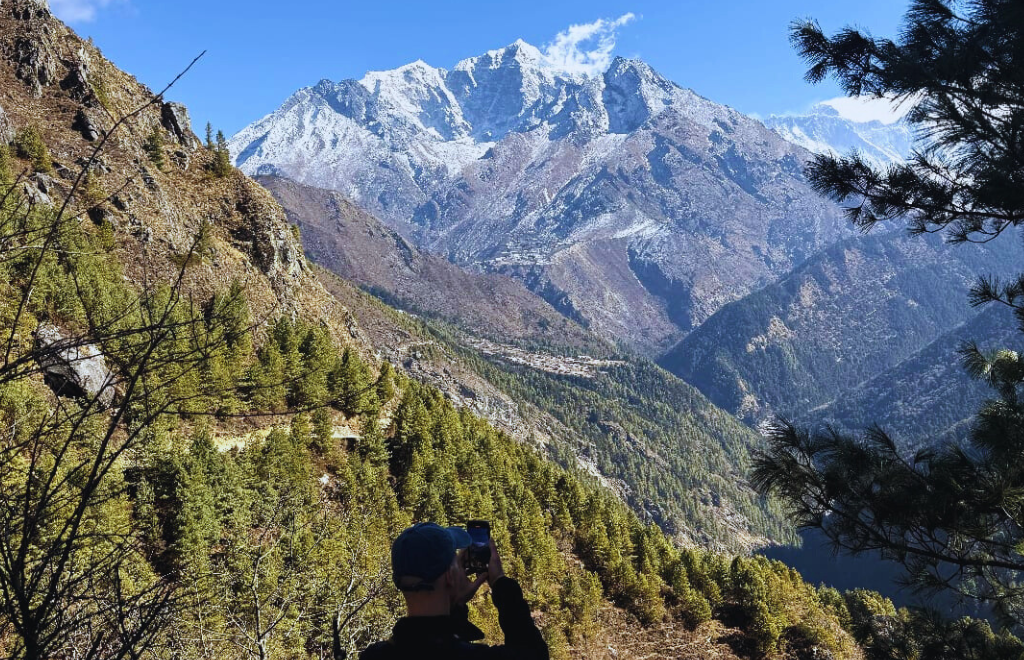
Let’s address the question directly: Is it safe to travel to Nepal during and after the 2026 elections?
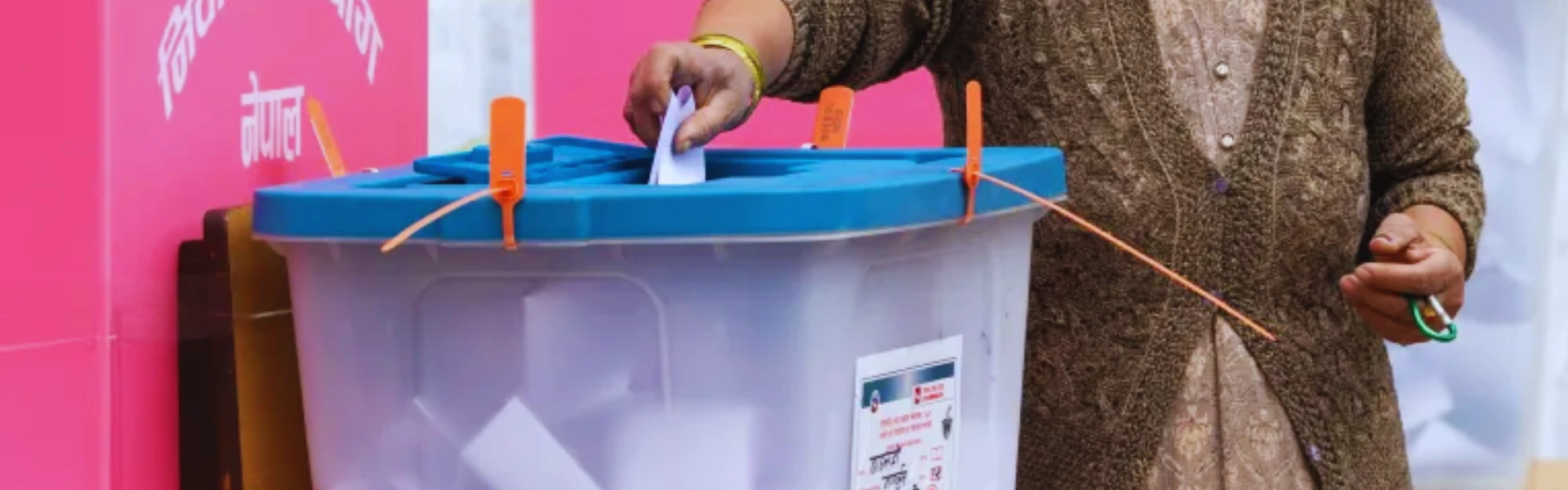
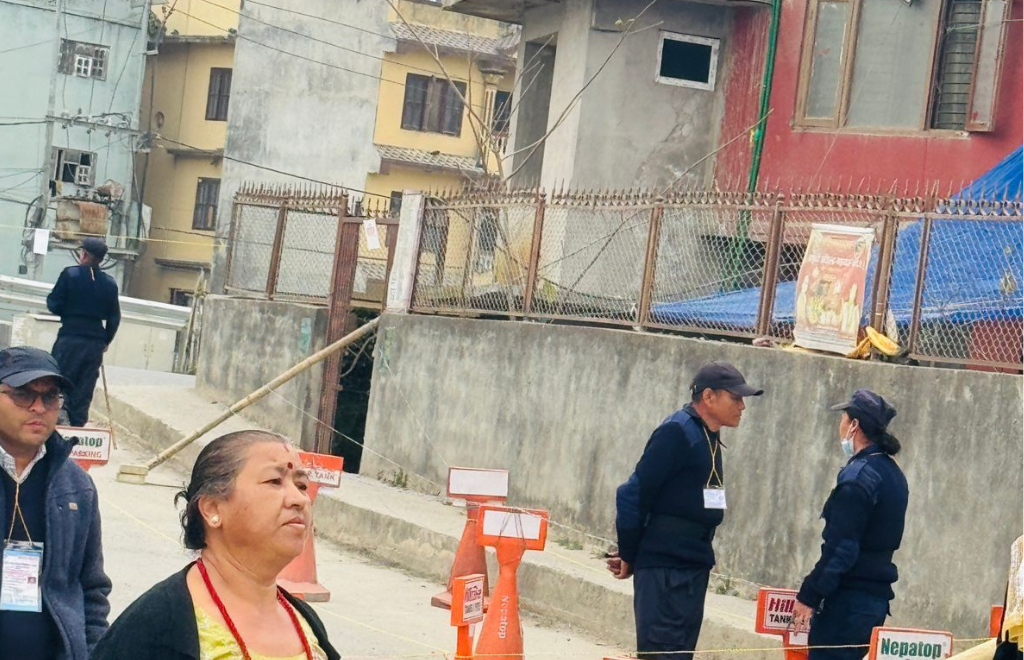
The answer, supported by both data and experience, is a clear yes. Nepal’s election processes, while energetic, are overwhelmingly peaceful. Political rallies occur in urban centers, primarily Kathmandu, Pokhara, and Biratnagar. They do not reach Namche Bazaar, Thorong La Pass, or the Langtang Valley.
The numbers speak for themselves: Nepal welcomed over 105,000 international tourists in February 2026 alone, which is a record-setting pace that demonstrates global traveler confidence has not wavered in the lead-up to election day. High-altitude trekking in Nepal's regions remains entirely unaffected by urban political activity.
Explore Nepal with Confidence this year 2026
Don’t let the headlines keep you from the heights. A1 Excursion Adventure offers expertly curated packages that combine rigorous safety standards with soul-stirring Himalayan adventure.
Contact our experts today to plan your 2026 season journey here in Nepal with your trusted local partner, A1 Excursion.
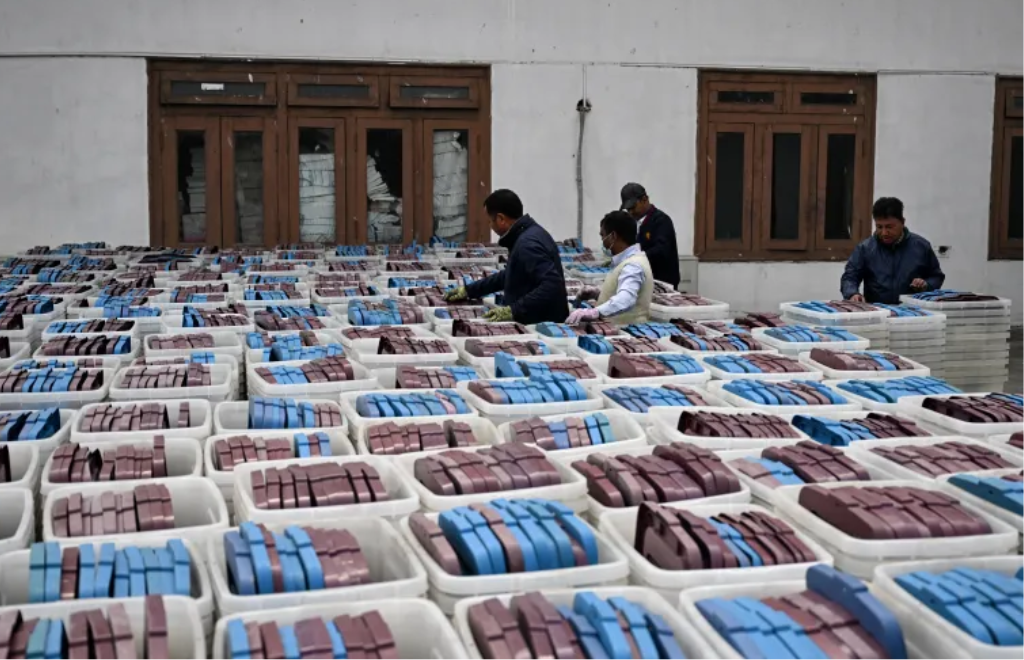
The “One-Door Policy” and Tourism Reforms in Nepal
The most significant operational breakthrough for 2026 is the full implementation of the Foreign Nationals Management Information System (FNMIS) and the Centralized Digital Trekking Portal. These reforms have replaced the old, cumbersome paper-based systems with a streamlined electronic process.
Mandatory Guides for Safety: To ensure trekker safety and support the local economy, all foreign trekkers must now be accompanied by a licensed guide. This has drastically reduced the number of "missing trekker" incidents in remote regions.
The One-Door Policy: Previously, a trekker might need three different permits from three different offices. Now, a single QR-coded digital pass, issued through registered agencies like A1 Excursion Adventure, covers National Park entry, Conservation Area fees, and Local Government taxes.
These reforms signal something profound: Nepal is moving from treating tourism as a source of political patronage to treating it as a professional, scalable industry that is worthy of the world-class landscapes it showcases.
Preserving the Peaks for the Next Generation of Tourists
Stable governance has also allowed for the enforcement of stricter environmental regulations. In 2026, Nepal launched the "Clean Peaks Initiative," which mandates that all expeditions and Nepal trekking groups bring back their waste. For travelers, this means the trails are cleaner, and the ecosystems are better preserved. This commitment to sustainability ensures that the Nepal you visit today will be the same pristine wilderness for the next generation of adventurers.
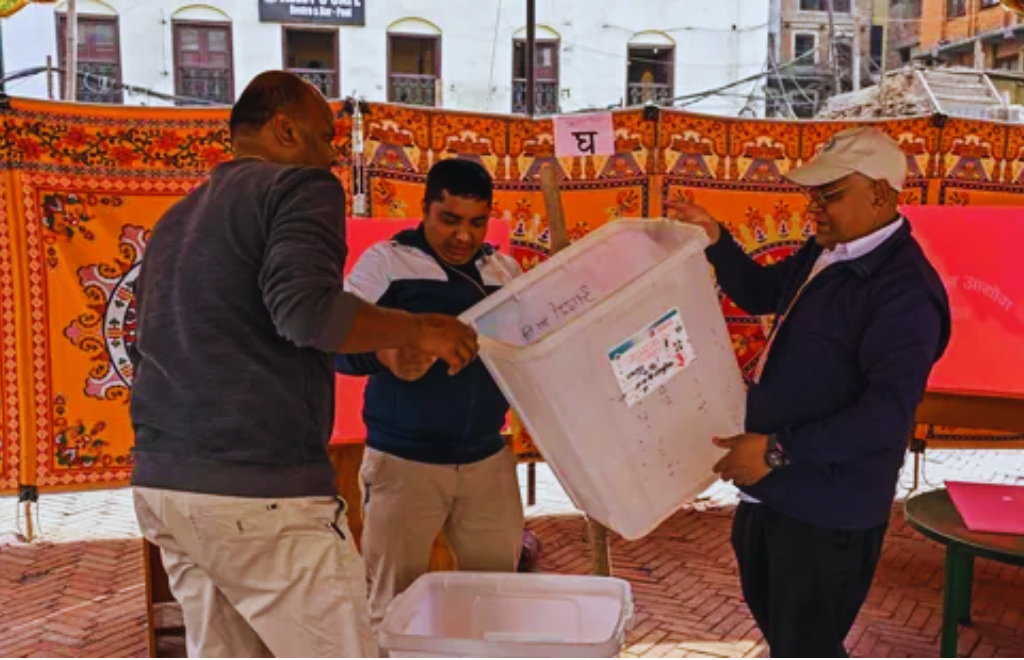
Economic Resilience: Tourism as a National Priority
Tourism accounts for approximately 7–8% of Nepal’s GDP and employs hundreds of thousands of people directly and indirectly across the guiding, hospitality, transport, and handicraft sectors. In the post-pandemic recovery period, the IMF has cited Nepal’s tourism-led growth model as a positive example of resilient economic diversification in South Asia.
What is particularly encouraging about 2026 is that for the first time, tourism has become a common agenda across all major political parties. Whether from the left, center, or the new independent blocs, every platform includes substantive commitments to:
- Increased budget allocation for Nepal trek trail maintenance and high-altitude rescue infrastructure.
- Expansion of international flight routes to Tribhuvan and the new Pokhara International Airport.
- Investment in mid-mountain hospitality standards to attract premium traveler segments.
- Promotion of off-season trekking in Nepal (monsoon and winter routes) to distribute economic benefits more evenly across the year.
For travelers, this means a stronger, more consistent product, better trails, better teahouses, better connectivity, and a government that views your visit as a national priority, not a secondary concern.
How the 2026 Election Is Positively Shaping Nepal’s Tourism and Trekking Industry
The tourism impact of the 2026 Nepal election is already creating positive momentum for the country’s tourism and trekking sector. Political stability brings confidence not only to investors and local businesses but also to international travelers planning a trek in Nepal. When governance becomes more stable, tourism policies become more consistent, infrastructure projects move forward, and travel services improve across the country.
For Nepal's trekking industry, this means better long-term planning and stronger government support. Investments are being directed toward trail maintenance, rescue infrastructure, regional airports, and digital trekking permits, all of which make organizing a Nepal trek easier and safer than before. Popular trekking routes such as the Everest Base Camp Trek, Annapurna Circuit Trek, and Manaslu Circuit Trek are benefiting from improved logistics and better coordination between tourism authorities and local operators.
Another positive outcome is the professionalization of trekking in Nepal. With the introduction of licensed guide requirements and digital permit systems, travelers booking a Nepal trek now experience better safety monitoring, improved guide services, and smoother administrative processes. These reforms not only enhance the trekking experience but also support local employment in mountain communities.
Overall, the 2026 elections signal a stronger national commitment to tourism as a pillar of economic growth. For travelers and adventure seekers around the world, the message is clear: Nepal is becoming an even more reliable and organized destination for unforgettable trekking experiences.
Conclusion: Your Invitation to the New Nepal
2026 is not simply an election year; it is a year of maturation. A nation with extraordinary natural wealth is finally building the governance infrastructure to match its vertical grandeur. The peaks have not changed, and the sunrise over the Himalayas is as breathtaking as it was a century ago, but the country welcoming you to climb them is more capable, more digital, and more committed to your safety.
The positive Nepal Election 2026 tourism impact ensures that your next trek is backed by a government that treats you as a guest of honor. At A1 Excursion Adventure, we have walked these paths for two decades. We have seen Nepal at its most challenging and its most triumphant. We invite you to join us in 2026, not despite the changes, but because of what they represent: a more reliable, safer, and more vibrant Nepal.
Ready to experience New Nepal? Contact us and let A1 Excursion Adventure guide you to breathtaking destinations and unforgettable journeys here in Nepal.
Frequently Asked Questions
1. Does the Nepal Election 2026 affect tourism in Nepal?
No, the Nepal Election 2026 tourism impact on travelers has been minimal. Elections in Nepal are generally peaceful civic events concentrated in urban areas such as Kathmandu and Pokhara. Major trekking regions like the Everest Base Camp and Annapurna Circuit remain unaffected and fully open to visitors.
2. Is it safe to travel to Nepal during the 2026 elections?
Yes, Nepal remains safe for tourists during election periods. Trekking routes, national parks, and mountain regions operate normally, and tourism services continue without disruption. Most political activities take place in cities, not in remote Himalayan trekking areas.
3. How will the 2026 elections improve Nepal’s tourism sector?
The elections are expected to bring stronger governance and policy stability. This includes improvements in infrastructure, aviation safety, and digital permit systems introduced by organizations like the Nepal Tourism Board and the Civil Aviation Authority of Nepal.
4. What is the new digital trekking permit system in Nepal?
Nepal has introduced the Foreign Nationals Management Information System (FNMIS) and a centralized digital trekking permit portal. This system allows trekkers to obtain permits more efficiently through licensed agencies, reducing paperwork and improving safety monitoring across trekking regions.
5. Do foreign trekkers need a guide in Nepal in 2026?
Yes. Nepal has introduced a rule requiring foreign trekkers to travel with a licensed guide in many trekking areas. This policy improves trekker safety, supports local employment, and ensures better management of remote routes such as the Upper Mustang and the Manaslu Circuit.
6. Is 2026 a good year to visit Nepal for trekking?
Yes, 2026 is shaping up to be an excellent year for travel. With stable governance, tourism reforms, and increasing international arrivals, Nepal’s trekking regions—from Langtang Valley to the Everest Region are welcoming visitors with improved infrastructure, safer trails, and better hospitality services.



.webp)