Why Mobile Networks Are Limited in Upper Mustang
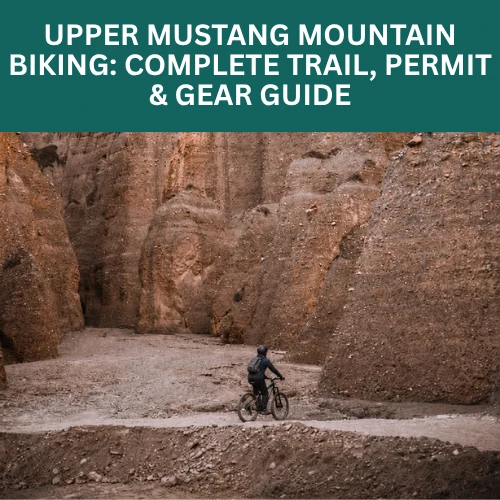
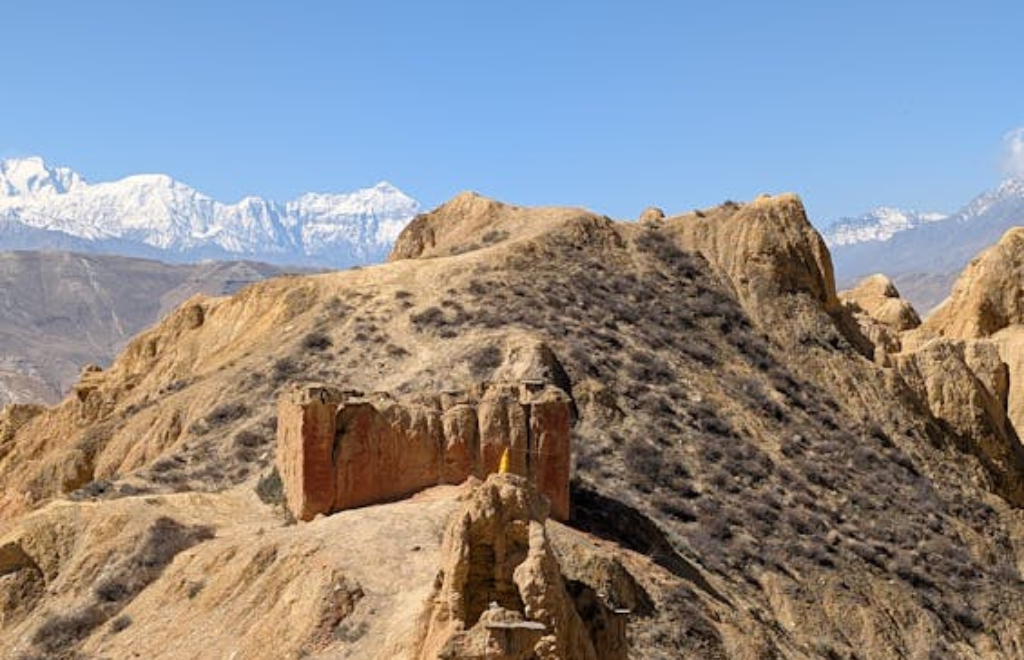
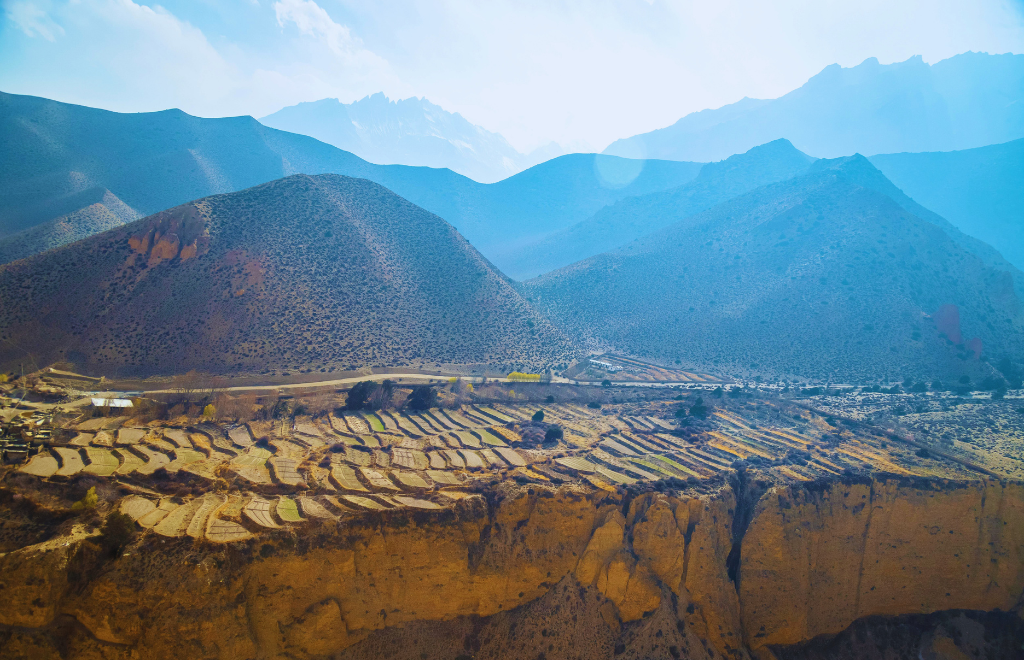
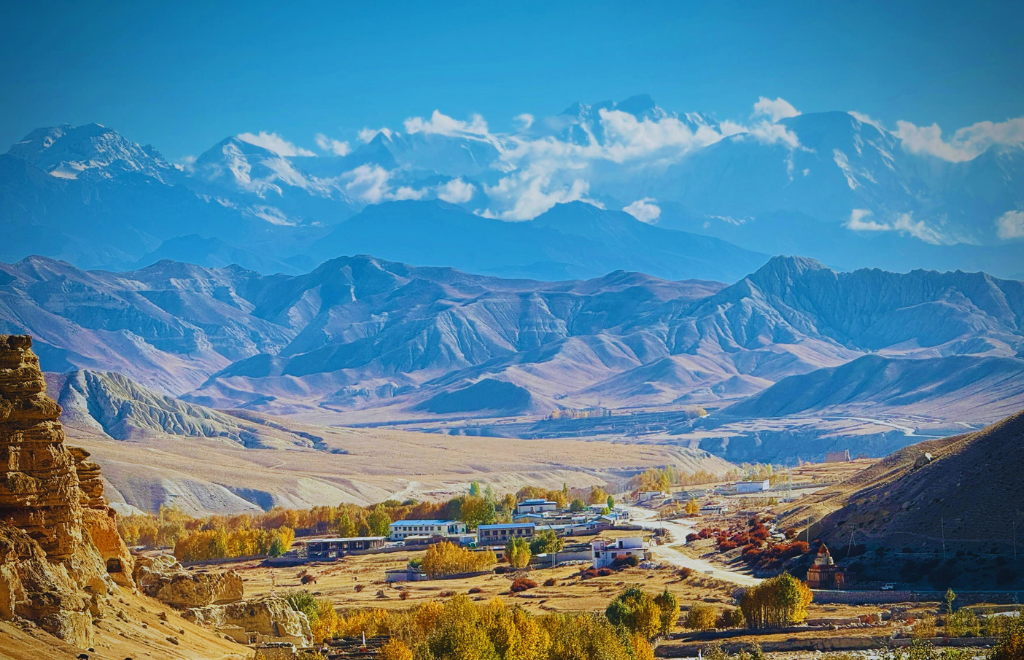
Before diving into SIM cards and data plans, it helps to understand why connectivity is so challenging here. Upper Mustang sits in the rain shadow of the Annapurna and Dhaulagiri ranges, characterized by barren rolling hills, ancient cave dwellings carved into cliffsides, and a landscape that looks more like the Tibetan Plateau than the lush hills of lower Nepal. This geography creates three major obstacles for mobile infrastructure:
High-altitude desert terrain disrupts line-of-sight signal transmission between towers. The relay stations that do exist are solar-powered and spread far apart, serving villages separated by hours of walking. Deep canyons and river gorges, particularly along the Kali Gandaki river valley, physically block cellular signals. The trail regularly dips into narrow gorges where no tower can reach. Extreme weather, including high winds, snowfall, and sub-zero temperatures, damages infrastructure and degrades signal quality. The notorious afternoon winds ripping through the Kali Gandaki gorge can disrupt microwave relay links between towers entirely.
The result is a patchwork of connectivity: good signal in major villages, zero signal on trails between them, and everything in between depending on weather, altitude, and time of day.
Main Attractions of the Upper Mustang Region
After days of trekking through dramatic Himalayan landscapes and remote mountain trails, Upper Mustang rewards travelers with some of Nepal’s most extraordinary cultural and natural wonders.
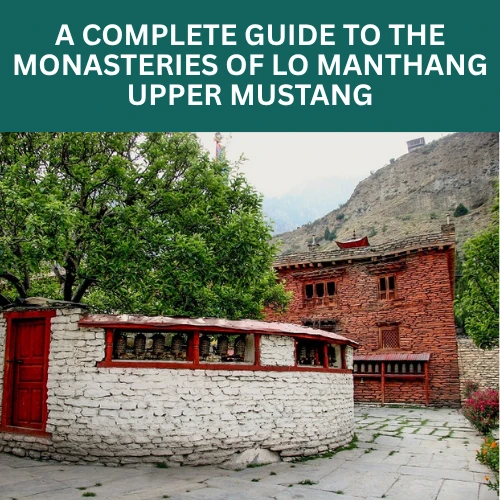
- Lo Manthang: The ancient walled capital of Upper Mustang, known for its royal palace, traditional Tibetan culture, and historic monasteries.
- Chhoser Sky Caves: A mysterious cliffside cave complex with interconnected ancient rooms once used for shelter, meditation, and defense.
- Ghar Gompa (Lo Gekar): One of Nepal’s oldest Tibetan Buddhist monasteries, believed to date back to the 8th century.
- Dhakmar Red Cliffs: Famous for its dramatic red rock landscapes and unique desert-like scenery.
- Ghami Mani Walls: Long stone prayer walls engraved with Buddhist mantras, reflecting Mustang’s deep spiritual heritage.
- Damodar Kunda: A sacred high-altitude lake near the Tibet border, important to both Hindu and Buddhist pilgrims.
- Chungsi Cave: A revered meditation cave where Guru Rinpoche is believed to have meditated
Discover more about the breathtaking attractions, ancient monasteries, sacred caves, and hidden cultural treasures of Upper Mustang in our detailed blog below.
Why Staying Connected in Upper Mustang Matters
While a digital detox is one of the main benefits of trekking in Nepal, having access to a mobile network in Upper Mustang serves several highly practical purposes:
- Emergency Communication: The most critical reason to stay connected. If altitude sickness strikes or an injury occurs, contacting emergency rescue services quickly is vital.
- GPS Navigation and Offline Maps: While you should always download maps beforehand, occasional data access helps refresh location services and check route updates.
- Contacting Guides and Teahouses: Connectivity allows your trekking agency or guide to call ahead and secure your accommodation, especially during busy seasons.
- Sharing Photos and Travel Updates: Sending a quick WhatsApp message to reassure family back home that you are safe.
- Remote Work Limitations: If you plan to work remotely, be warned: the Upper Mustang trek internet is rarely stable enough for reliable Zoom calls or large file uploads.
NTC vs Ncell in Upper Mustang: Which Works Better?
When buying a SIM card in Nepal, the choice always comes down to the country's two main carriers, Nepal Telecom (NTC) and Ncell. In most of Nepal, it's a fair competition. In Upper Mustang, it isn't.
Nepal Telecom (NTC) — The Only Real Choice
Nepal Telecom is state-owned, and that matters enormously here. Because NTC isn't purely profit-driven, it has invested in building towers in remote border regions where commercial carriers simply wouldn't bother. The result is that NTC reaches places Ncell does not.
In Upper Mustang, you can generally expect at least an intermittent 3G/4G signal, and often a stable 2G voice connection, at the following key stops:
- Kagbeni — the gateway to the restricted area, strong NTC signal
- Chele — reasonable coverage for calls and texts
- Syangboche and Ghami — intermittent 3G, good enough for WhatsApp messages
- Charang — patchy but workable NTC signal
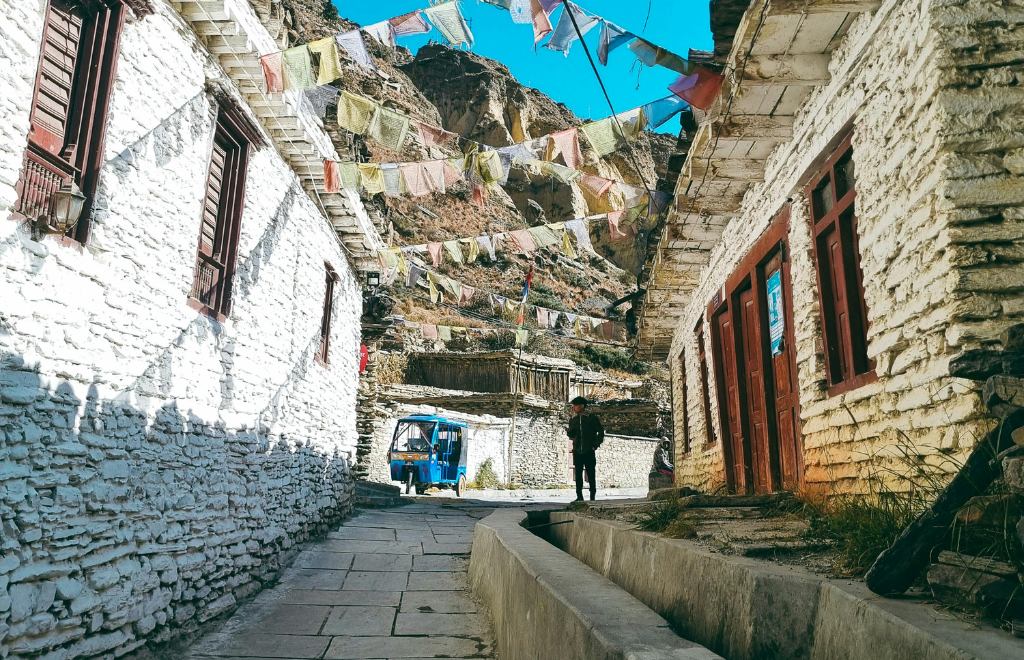
- Lo Manthang — the best connectivity in the region, with some lodges now running Starlink
NTC may not always give you fast 4G speeds, but a slow signal is infinitely more valuable than no signal at all when you're a three-day walk from the nearest road.
Ncell — Great Everywhere Else, Unreliable Here
Ncell is excellent in Kathmandu, Pokhara, and the lower trekking regions. Its 4G speeds are generally faster than NTC in urban areas. But past Kagbeni, Ncell coverage collapses dramatically. You'll have strong Ncell 4G in Jomsom and Kagbeni. As soon as you push north into the restricted zone, expect the signal to disappear for long stretches. In Lo Manthang, Ncell is largely non-functional.
NTC vs Ncell Comparison
| Feature | Nepal Telecom (NTC) | Ncell |
| Coverage in remote villages | Wide reach | Poor past Kagbeni |
| Data speed | 3G/2G in restricted zone | Fast 4G where available |
| Reliability for calls & texts | Consistent | Drops out frequently |
| Price | Highly affordable | Slightly more expensive |
| Best use case | Primary trek SIM | City uses/backup SIM |
Pro tip: If your phone supports dual SIM or eSIM, carry both. Use NTC throughout the trek and switch to Ncell or your home SIM when you return to Kathmandu for faster data.
How to Buy a SIM Card for Upper Mustang
Getting set up with an NTC SIM is quick and simple, but you'll need the right documents.
What you need:
- Passport (physical copy of the ID page)
- Nepal visa copy
- One passport-sized photograph
Where to buy:
- Kathmandu Tribhuvan International Airport (TIA): The easiest option. Both NTC and Ncell have kiosks just after baggage claim. Buy here before you leave the airport.
- Thamel, Kathmandu: Dozens of mobile shops sell and register SIM cards. Prices are the same as at the airport.
- Lakeside, Pokhara: If you're flying direct to Pokhara before the trek, grab one here.
- Jomsom: There are a couple of small shops in Jomsom where you can purchase an NTC SIM as a last resort, though availability is less reliable.
The SIM card itself costs around NPR 100 (under $1 USD). The cost comes from the data package you load onto it.
Best NTC Data Packages for Upper Mustang Trekking
Nepal Telecom offers flexible tourist data packages that are well-suited to a two to three week Upper Mustang trek.
Recommended Data Packs
| Package | Approx. Cost (NPR) | Best For |
| 5GB / 28 days | ~500 | Minimal use: texts and email only |
| 15GB / 28 days | ~800–1,000 | Most trekkers: photos + daily updates |
| 30GB / 28 days | ~1,500 | Heavy social media/backup usage |
| Unlimited daily pack | ~100/day | Short trips or city use |
For most Upper Mustang trekkers, the 15GB package hits the sweet spot. You won't have a consistent signal to burn through it all, but you'll have plenty of buffer for WhatsApp updates, downloading maps, and the occasional photo upload when you do get a signal.
How to Activate NTC Data Packs
- USSD code: Dial *1415# and follow the menu to purchase a data pack using your balance
- NTC app: If you're on the teahouse WiFi, open the Nepal Telecom mobile app to manage your account
- Scratch cards: Available at teahouses along the route, top up your balance and activate a pack if you run out mid-trek
Internet Speed and Mobile Reliability in Upper Mustang
What to Realistically Expect
The 4G icon on your phone doesn't tell the whole story. In Upper Mustang, actual performance depends on your exact location, weather, and time of day.
- What works reliably: Text-based messaging, WhatsApp, iMessage, Telegram, SMS generally send and receives without issue in coverage areas. Basic email (text only) also works fine.
- What works intermittently: Sending compressed photos on WhatsApp or uploading images to Instagram can work in Lo Manthang and Kagbeni, but expect it to be slow and sometimes require multiple attempts.
- What doesn't work: Video calls via FaceTime, WhatsApp, or Zoom are largely impractical outside of Jomsom and Kagbeni. Streaming video on Netflix or YouTube is not a realistic expectation anywhere on the restricted area portion of the trek.
Weather Impact on Signal
The high Himalayas create their own weather systems, and these directly affect your connection. Afternoon windstorms, a daily occurrence in the Kali Gandaki gorge, can disrupt the microwave relay links that connect towers across the valley. Heavy snowfall and rain degrade cellular frequencies. If your signal disappears in the afternoon, it often returns by morning when conditions calm.
Known Dead Zones
Expect zero coverage in:
- Deep gorges and narrow river valleys between villages
- The long trail sections between Chele and Syangboche
- High passes including Nyi La and Dakkmar
- Any trail section more than 2–3 km from a village
Teahouse WiFi Availability and Costs
When mobile data fails in the Mustang Region, teahouse WiFi is your backup, but manage your expectations.
How Teahouse Internet Works
Most lodges in Upper Mustang rely on VSAT satellite connections or fixed wireless systems rather than fiber or mobile broadband. Lo Manthang, as the regional capital, has the best infrastructure; some lodges there have installed Starlink terminals, which provide dramatically better speeds than traditional satellite connections. Lower on the route, bandwidth is shared among every guest in the dining hall over a single satellite link. The connection may feel acceptable at 10 AM when you're the only one awake, and completely unusable at 7 PM when thirty trekkers are all trying to post photos simultaneously.
WiFi Costs
Unlike hotels in Kathmandu, WiFi in Upper Mustang teahouses is never free.
- Typical daily rate: NPR 200–500 per day (approx. $1.50–$4.00 USD)
- Per-device charges: Some lodges charge per device rather than per person
- Scratch card systems: Certain teahouses sell hourly internet scratch cards at the front desk
Why the Internet Crawls After 4 PM
Trekkers typically arrive at their lodge between 3 and 5 PM. Within an hour, everyone is simultaneously trying to check messages, upload photos, and video call home. This peak usage, combined with satellite bandwidth limits and occasional evening weather interference, means the connection will often be at its slowest right when you most want to use it. If you have something important to send, try to do it in the morning before leaving.
Charging and Power Backup in Upper Mustang
A good signal is useless if your phone battery is dead.
Cold Weather Battery Drain
Lithium-ion batteries lose capacity rapidly in cold temperatures. At Upper Mustang's nighttime temperatures — which can drop well below freezing even in summer — a fully charged phone left on a table overnight can wake up at 20% or less. Always keep your phone and power bank inside your sleeping bag overnight. This single habit can save you hours of anxiety on the trail.
Charging Costs at Teahouses
Electricity in Upper Mustang comes almost entirely from local solar panels and small hydropower systems. Lodges have limited energy reserves, which is why they charge for electricity use.
- Phone charging: Usually NPR 300–500 per full charge (~$2.50–$4 USD)
- Power bank charging: Significantly more — sometimes NPR 800–1,200 ($6–$10 USD) for large capacity banks, because they draw heavily on the lodge's solar reserves
- Laptop charging: Expect to pay even more, and not all lodges will allow it
Essential Power Gear to Pack
- 20,000mAh power bank: Non-negotiable for a multi-day trek. Provides 4–5 full phone charges and is compact enough to carry in a day pack.
- Solar charger panel: Highly effective in Upper Mustang, which receives strong, unobstructed Himalayan sunlight during clear days. Clip it to your backpack while trekking.
- Multi-port fast charging adapter: Maximizes the time you spend plugged in at teahouses. Bring a universal adapter, as socket types vary.
Offline Apps and Tools to Download Before You Leave for Upper Mustang Trek
Since you won't always have a signal, your phone needs to work without it.
- Maps.me — Download the entire Mustang region offline. Accurate trail mapping, village names, and elevation data. Works entirely without data once downloaded.
- Google Maps offline — Download Mustang offline while on hotel WiFi in Kathmandu or Pokhara. Less detailed for trail navigation, but useful for general orientation.
- Nepal Telecom app — Manage your data balance, purchase top-up packs, and check usage. Useful when you're in the teahouse WiFi and need to reload data.
- WhatsApp — Set up and test it before leaving. Share your trek itinerary with family so they know which days you'll be in dead zones and won't panic when you miss a check-in.
- Weather apps with offline caching — Download forecasts for the Mustang region each morning while you have a signal. Mountain weather changes quickly.
Upper Mustang Trek Packages by A1 Excursion Adventure
Navigating the logistics of a restricted area trek, from arranging permits to figuring out the best SIM for Upper Mustang, can be overwhelming. This is where partnering with a trusted trekking agency becomes invaluable.A1 Excursion Adventure offers comprehensive, expertly guided experiences tailored to your needs. Their trekking guides possess extensive regional expertise and knowledge, ensuring you are well-supported throughout the rugged terrain.
A1 Guided Upper Mustang Trek Packages:
- Upper Mustang Tiji Festival Trek 2027
- Upper Mustang Jeep Tour
- Short Upper Mustang Trek 15 days
- Upper Mustang Trek (Lo-Manthang)
- Upper Mustang Classic Trek 18 days
- Upper Dolpo to Upper Mustang Trek
Tips for a Successful Upper Mustang Trek
- Download offline maps: Use apps like Maps.me or download Google Maps data for the entire Mustang region before leaving Pokhara.
- Inform family about dead zones: Set realistic expectations. Tell them you may be offline for 2-3 days at a time, so they don't panic if you miss a check-in.
- Use airplane mode: When trekking between villages, switch to airplane mode to stop your phone from constantly searching for a nonexistent signal, which rapidly kills the battery.
- Carry extra batteries: Bring spares for your camera and headlamp.
- Download media beforehand: Save your Spotify playlists, podcasts, and Netflix shows while you are still on hotel WiFi in Kathmandu.
- Avoid depending on constant internet: Use the connectivity for logistics, not entertainment.
- Respect digital detox opportunities: The lack of seamless Nepal trekking internet access is a feature, not a bug. Enjoy the silence.
Conclusion & Quick Tips
Staying connected in the Himalayas requires a bit of planning, but it is entirely manageable. NTC is generally the best Upper Mustang mobile network, providing the most consistent coverage across remote villages. While Upper Mustang internet exists, it is limited; teahouse WiFi is often expensive and slow, and power backup is an absolute necessity. Prepare for occasional disconnection, carry a high-capacity power bank, and let the incredible landscape of the forbidden kingdom take precedence over your screen.
Ready to explore the high-altitude deserts of Lo Manthang?
Contact A1 Excursion Adventure today for expert logistics support, permit arrangements, and guided Upper Mustang trekking packages tailored to your schedule.
FAQ's
1. Which mobile network works best in Upper Mustang?
- Nepal Telecom (NTC) is widely considered the best mobile network for Upper Mustang due to its superior infrastructure and coverage in remote, high-altitude villages compared to Ncell.
2. Does Ncell work in Lo Manthang?
- Ncell's signal is incredibly weak or entirely non-existent in Lo Manthang. NTC is the required network for voice calls and basic data once you reach the walled city.
3. Is there 4G in Upper Mustang?
- You can find 4G in lower areas like Jomsom and Kagbeni. Higher up in the restricted area, connections typically drop to 3G or 2G speeds.
4. How expensive is WiFi in Upper Mustang?
- Teahouse WiFi typically costs between NPR 200 to NPR 500 (approx. $1.50 - $4.00 USD) per day or per device, depending on the lodge and the altitude.
5. Can I work remotely during the trek?
- It is highly discouraged. The internet bandwidth is generally too slow and unstable for video conferencing, large file transfers, or consistent remote work.
6. Where can I buy an NTC SIM card?
-Tourists can easily purchase an NTC SIM card upon arrival at the Kathmandu International Airport (TIA) or at mobile shops in Thamel and Pokhara by providing a passport copy, a visa copy, and a passport-sized photo.


.webp)